You hear a sharp crack above you and look up.
A massive tree is leaning your way, its weight already shifting as gravity takes over. There’s no time to think about it and no time to hesitate.
It’s coming down, and what happens in the next two seconds depends entirely on decisions you made before you ever picked up the saw.
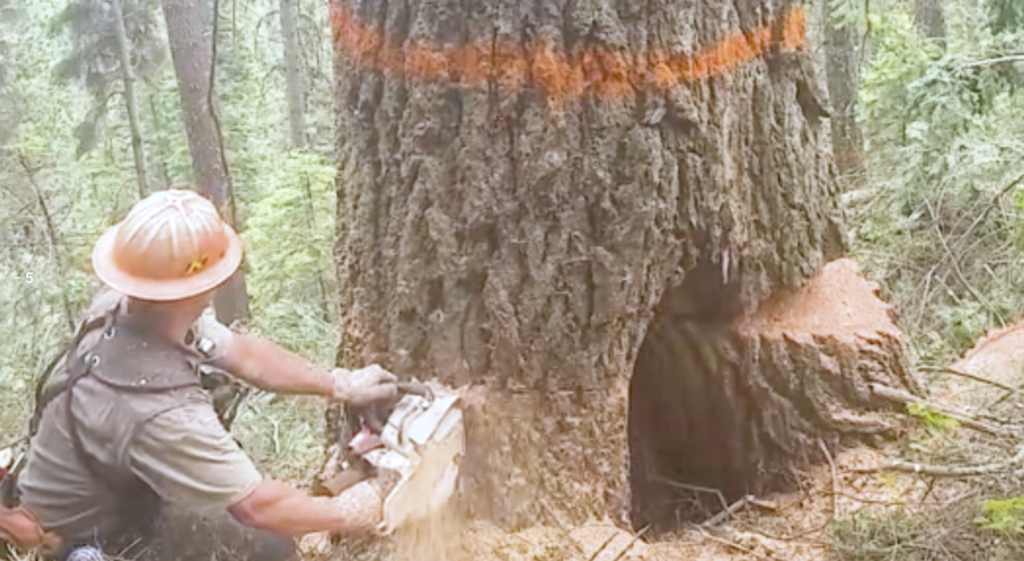
Logging is widely considered the most dangerous profession in the world, and the reasons are not subtle. Heavy machinery, unstable ground, and enormous falling objects, all combined in an environment that refuses to behave predictably.
Occupational studies have repeatedly placed it among the highest fatality rates of any job.
A large share of those deaths come from falling trees, branches, or logs, or from workers being struck, pinned, or caught between heavy objects.
And the danger often isn’t the tree being cut. It’s everything around that tree reacting at the same moment.
None of which makes the job a death sentence. Survival in logging comes down to procedure rather than luck, and the procedure starts long before the first cut.
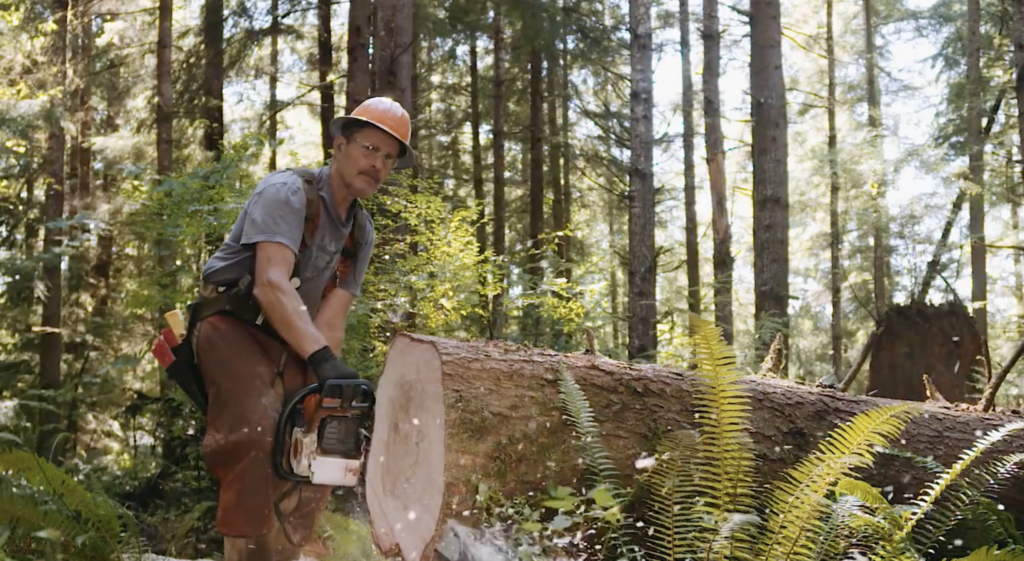
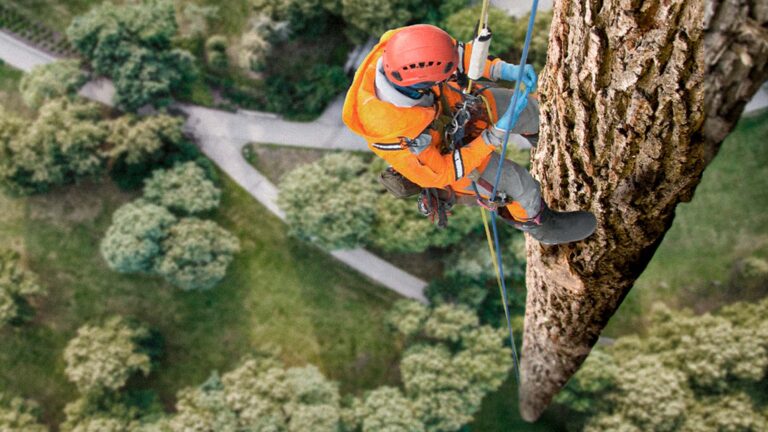
Gear comes first. Hard hats are non negotiable, since falling branches cause some of the most common fatal head injuries in the industry.
Eye and face protection matters just as much, with mesh shields guarding against flying debris.
Then there’s the clothing, which does more work than people assume. Reinforced materials like Kevlar based chaps protect the legs against chainsaw injuries.
None of it stops a falling tree. It does reduce the severity of a great many accidents that would otherwise end careers or lives.
The saw itself demands its own discipline.
Chains need to be sharp, tension correctly adjusted, and every safety feature checked before starting. Operators start the saw on stable ground with the chain brake engaged, then keep a firm controlled grip throughout.
Cutting overhead, working from unstable footing, or letting your attention drift are the behaviors that turn a routine day into a serious one.
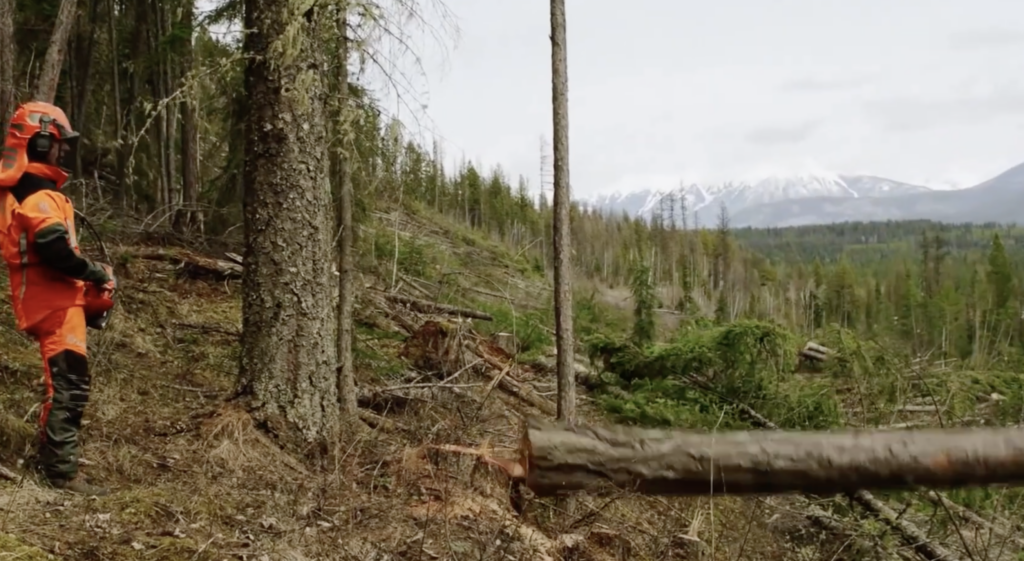
Here’s the detail that surprises most people. The majority of serious logging accidents happen within a short distance of the stump.
Which is why the escape route matters more than almost anything else.
Before a tree comes down, you assess its natural lean, the wind direction, and the terrain around it, then prepare a clear path out in advance.
The training is specific about this. Once the cut is made, you move away at an angle, never directly behind the falling tree, and you stay aware the entire time because trees change direction without warning.
Getting the tree on the ground doesn’t end the danger, either.
Branches held under tension can snap back violently, and logs shift or roll with no warning at all. Limbing a fallen tree means constantly reading where the pressure sits in the wood.
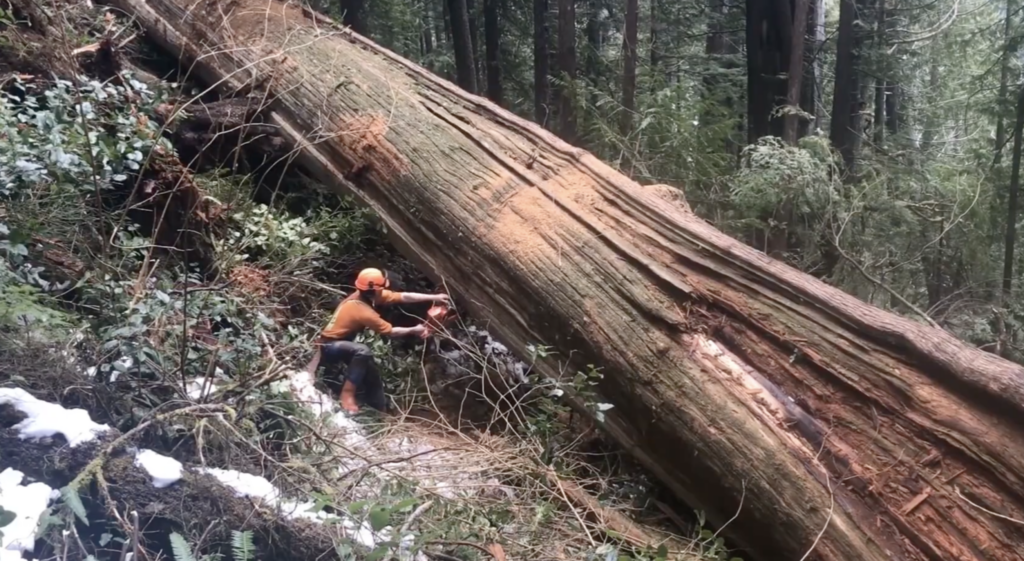
Miss a stored tension point and the injury arrives in seconds.
Then comes moving everything, which introduces an entirely separate category of risk.
Heavy equipment, loads that shift mid transport, and rolling timber all cause crushing injuries. Workers and machine operators have to communicate clearly, and every load needs proper stacking and secure attachment.
Most accidents at this stage trace back to two causes: somebody misunderstood something, or a load wasn’t stable.
Which is really the whole job in one sentence. The forest doesn’t kill people randomly.
It kills people who skipped a step.