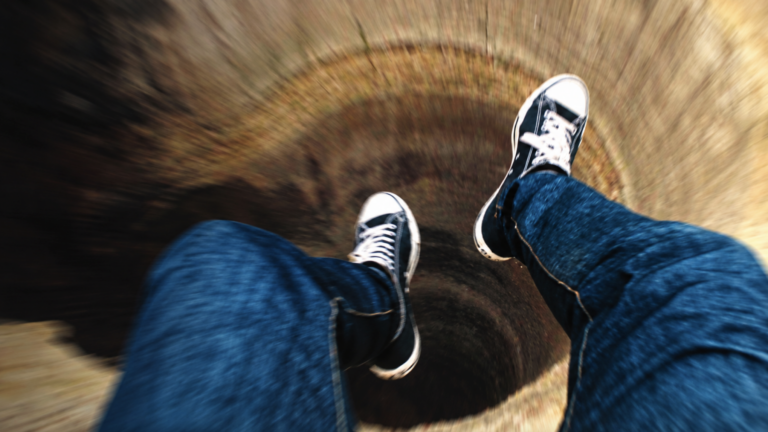
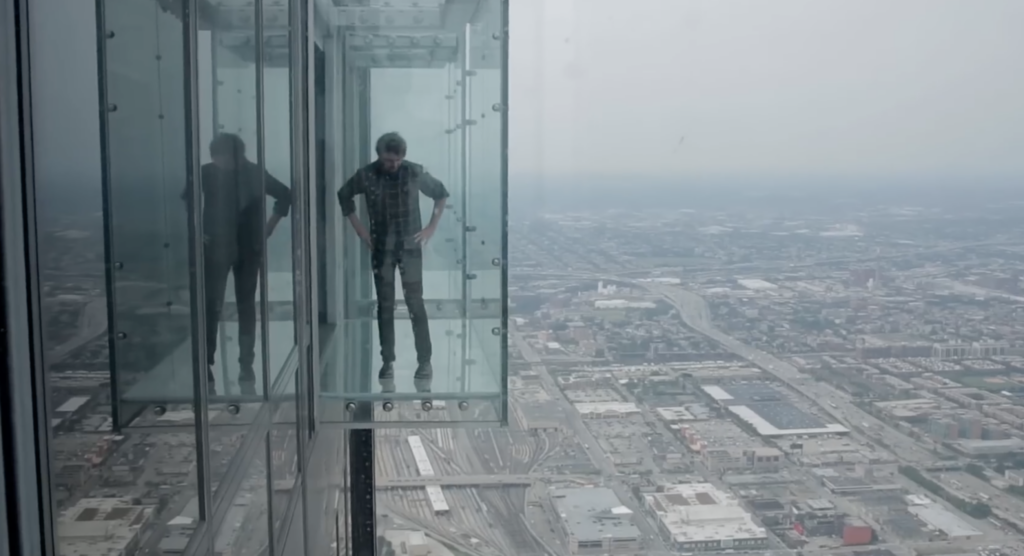
For some people, even a few meters above the ground can make their heart race. A glass observation deck, a high bridge, or a simple ladder may suddenly feel threatening, even when everything around them is completely secure.
This reaction can be much stronger than ordinary caution. The brain may interpret the height as an immediate danger, triggering rapid breathing, dizziness, sweating, and an overwhelming urge to get back onto solid ground.
That fear is known as acrophobia, and it can affect everyday choices as well as major experiences. But the brain can learn new responses, meaning that a person does not necessarily have to remain controlled by their fear of heights forever.
The key is usually not forcing yourself to stand on top of the tallest building you can find. Instead, gradually exposing yourself to manageable situations can help your brain discover that the feeling of danger does not always mean that danger is actually present.
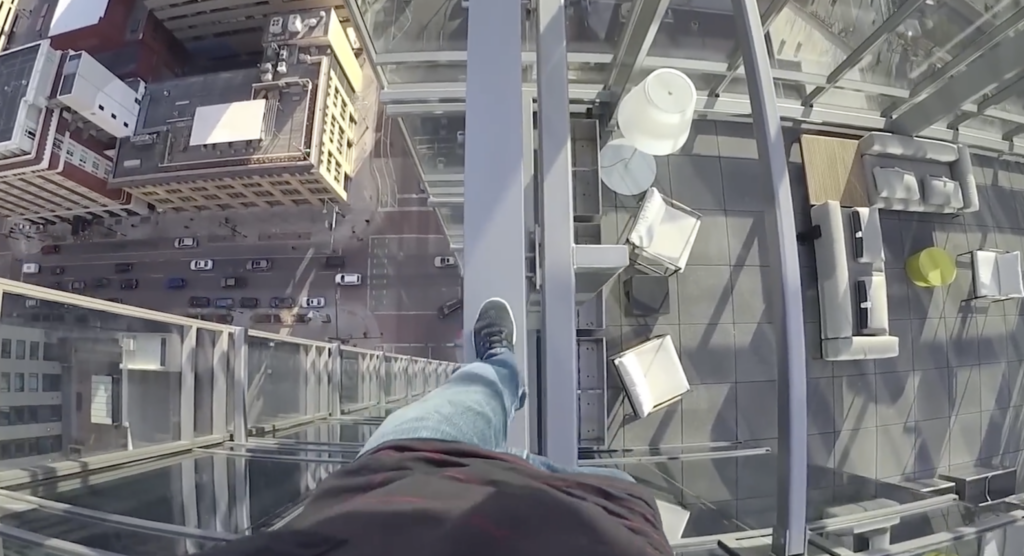
Starting small can make the process far less overwhelming. Someone might begin by standing near a low balcony, looking from a modest elevation, or climbing only a few steps higher than they normally would.
Once that situation becomes easier to tolerate, the next challenge can be slightly more difficult. Repeating this process allows the brain to gradually become accustomed to the sensations associated with being above the ground.
The objective is not to make fear disappear immediately. Instead, you are teaching your nervous system that anxiety can rise and then fall without anything terrible happening.
Research has found that acrophobia is relatively common. Estimates vary between studies, but a significant portion of the population experiences an intense fear of heights at some point.
For someone with severe symptoms, avoiding every elevated location can seem like the easiest solution. Unfortunately, constantly escaping from situations that create anxiety can reinforce the idea that heights are something that must always be avoided.
A safer approach is to practice in controlled circumstances where the level of difficulty can be adjusted. Having a trusted friend or family member nearby may also provide reassurance while someone becomes more comfortable with each step.
Another useful starting point is identifying exactly what creates the strongest reaction. Some people become anxious when they look directly downward, while others feel uncomfortable simply standing somewhere elevated.
Understanding the trigger makes it easier to recognize what is happening when anxiety begins. The brain can send out warning signals, the body reacts to them, and those physical sensations can then make the original fear feel even more convincing.
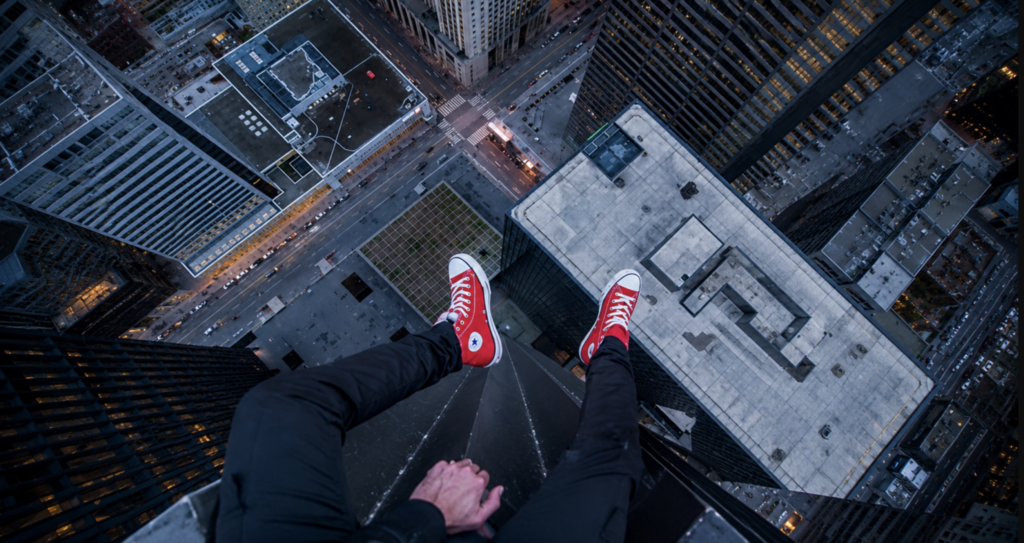
Some caution around heights is completely normal. Falling from a great height can cause serious injury, so humans naturally have protective mechanisms that encourage us to stay away from dangerous edges and unstable surfaces.
The difficulty begins when that protective response becomes much stronger than the actual level of risk. A secure balcony, enclosed observation deck, or properly maintained bridge can still trigger the same alarm response as a genuinely dangerous situation.
When that happens, it can help to pause and separate the sensation of fear from the facts of the situation. Instead of automatically reacting to the alarm, ask what is actually happening and what safety measures are present.
Preparation can make this process easier. Before visiting a high building, crossing a bridge, or using a ladder, learn how the structure works and what safety precautions are in place.
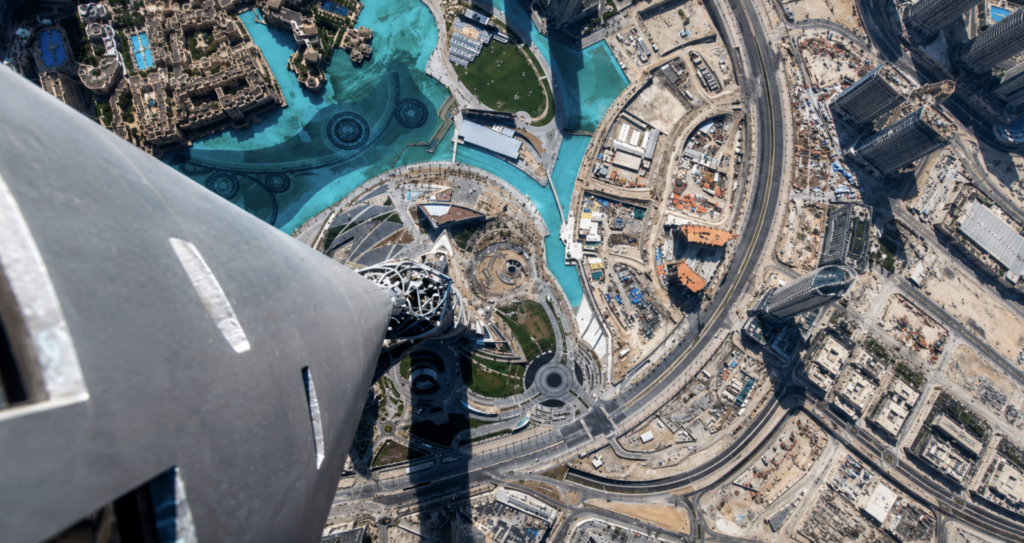
Knowing that a structure has been designed to support people safely can provide useful reassurance. Rather than focusing entirely on the distance to the ground, attention can be shifted toward railings, barriers, harnesses, stable surfaces, and other protective features.
Familiarity can also reduce anxiety. The more someone understands about a situation and the more often they experience it safely, the less unfamiliar the environment may feel.
Physical symptoms deserve attention too. Fear can cause the heart to beat faster, breathing to become shallow or rapid, and muscles to tense. Dizziness and sweating can then make the situation feel even more frightening.
Controlled breathing and other relaxation techniques can help reduce some of these physical reactions. Slowing your breathing and deliberately relaxing your body can make it easier to remain present instead of allowing the anxiety to escalate.
The goal is not necessarily to force the fear away. Learning to experience the uncomfortable sensations without immediately escaping can gradually teach the brain that anxiety itself is not proof of danger.
Technology has also opened another possible path for people who struggle with heights. Virtual reality exposure therapy can place someone in simulated high altitude situations while keeping them physically safe in the real world.

Virtual reality programs can begin with relatively simple experiences before gradually introducing more difficult ones. A person might first stand on a low virtual platform and later progress to looking down from a tall building or walking across a simulated bridge.
The advantage is that the intensity can often be adjusted. If a particular scenario becomes too overwhelming, the person can step back rather than being trapped in a real high altitude environment.
Repeated exposure can help the brain form new associations with these situations. Instead of automatically connecting height with panic, the person can learn through repeated safe experiences that the anxious response eventually passes.
Not everyone will suddenly become comfortable with heights, and being cautious around dangerous elevations is still sensible. The goal of overcoming acrophobia is not to eliminate common sense or make heights enjoyable.
What matters is gaining more control over the reaction. By gradually facing manageable challenges, understanding personal triggers, preparing for unfamiliar situations, practicing techniques that calm the body, and using professional treatment when necessary, people can learn to respond differently to heights.
You may never look down from a skyscraper and feel completely relaxed. But being able to experience a height without allowing fear to dictate every decision can be a significant change in itself.