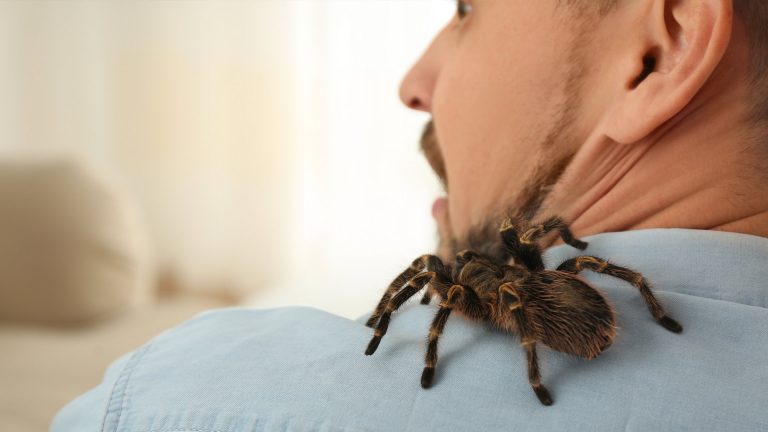
Most people would probably run in the opposite direction after seeing a tarantula. Despite their frightening appearance, these enormous spiders usually prefer to avoid confrontation. The real danger begins when one feels cornered or threatened.
A bite from a tarantula is rarely fatal, but that does not mean it is harmless. Depending on the species, venom can produce intense pain, swelling, sweating, muscle spasms, and other symptoms that can continue long after the initial bite.
There is another defense that can be even more troublesome. Many New World tarantulas can release tiny barbed hairs from their bodies, and if those hairs reach the eyes, they can cause severe irritation and become extremely difficult to remove.
More than 800 tarantula species are known, and they inhabit almost every continent except Antarctica. They can be found in tropical forests, deserts, grasslands, caves, and even high in trees.
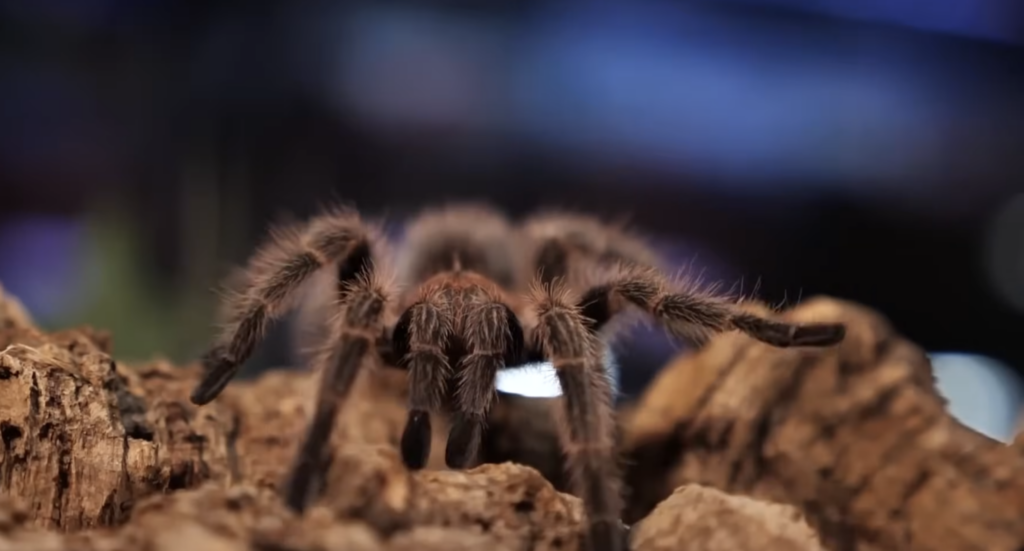
Some species spend much of their lives inside burrows beneath rocks, logs, or soil, while others make shelters in trees. Their size also varies considerably, although some can become enormous by spider standards.
The Goliath Birdeater is one of the most famous examples. Found in the rainforests of South America, it can reach around 30 centimeters in total leg span and is capable of hunting small animals such as frogs, lizards, rodents, and occasionally birds.
Some tarantulas can also live for several decades. With such impressive size and longevity, it is understandable why these spiders have become popular among exotic pet owners.
Step 1: Recognize When It Feels Threatened
A tarantula will often try to communicate that it does not want to be disturbed before resorting to a bite. Defensive body language can include raising its front legs and positioning its body in a more threatening posture.
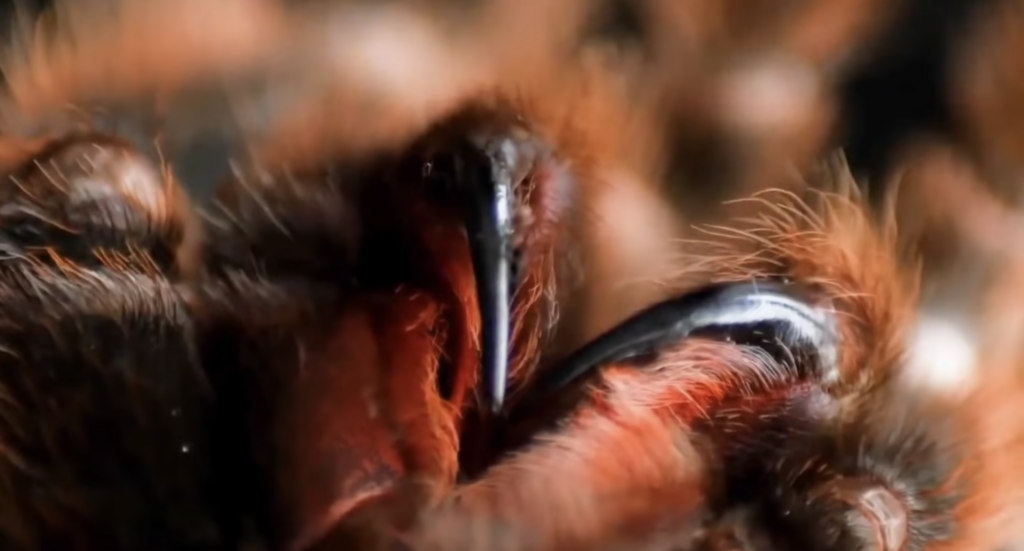
If the spider continues feeling threatened, it may raise its body higher, display its fangs, or adopt an even more defensive stance. These behaviors should be treated as a warning rather than an invitation to get closer.
The safest response is simple: stop approaching and give the spider space. Trying to touch or restrain an agitated tarantula increases the possibility of a bite or the release of defensive hairs.
Step 2: Do Not Become Overconfident With a Pet
Tarantulas are commonly kept as pets, but familiarity does not remove their natural defensive instincts. Even a spider that has been kept in captivity for years can react suddenly if it feels threatened.
A case reported by Dr. Joan Fuchs of the Swiss Toxicological Information Center involved a 45 year old man who was bitten on the finger by a Regal Parachute Tarantula.
The bite initially produced redness and swelling. Within a couple of hours, the man developed sweating and hot flushing. Around 15 hours later, his symptoms had progressed to severe muscle cramps and tightness in his chest, requiring emergency medical treatment.
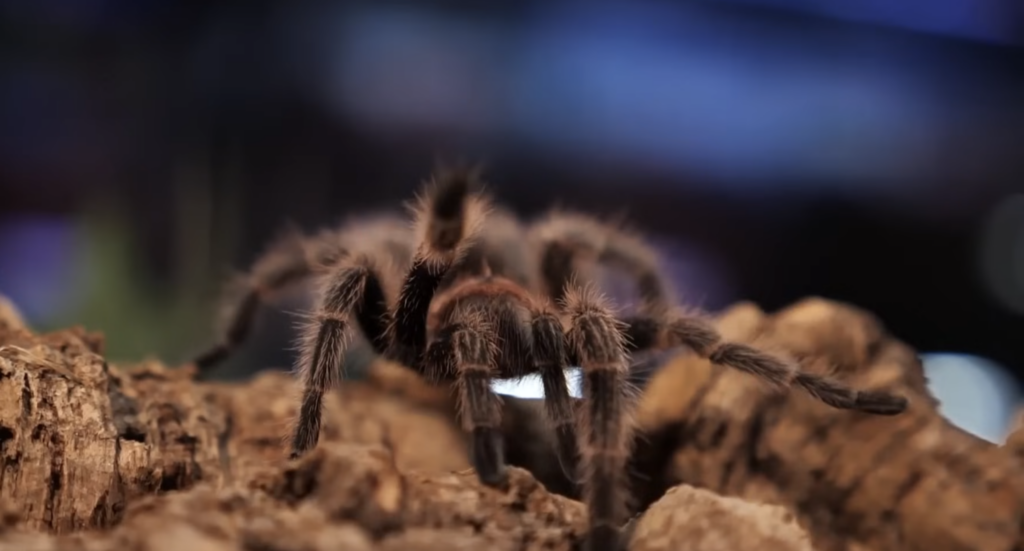
The man survived, but the muscle cramps reportedly continued for approximately three weeks after treatment. The case demonstrates why even experienced owners should avoid assuming that a tarantula is completely harmless.
Using appropriate equipment and containers when moving or cleaning around a tarantula is safer than attempting to handle the animal directly with bare hands.
Step 3: Protect Your Eyes From Defensive Hairs
For many tarantula species from the Americas, the most troublesome defense may not be the venom at all. Their bodies can be covered with tiny urticating hairs that can be launched when the spider feels threatened.
These microscopic hairs have barbed structures that can lodge in skin and cause intense irritation. If they reach the eyes, the consequences can be considerably more serious.
One reported medical case involved a person cleaning a Chilean Rose tarantula enclosure. The spider became distressed and released defensive hairs that eventually reached the back of the patient’s eye.
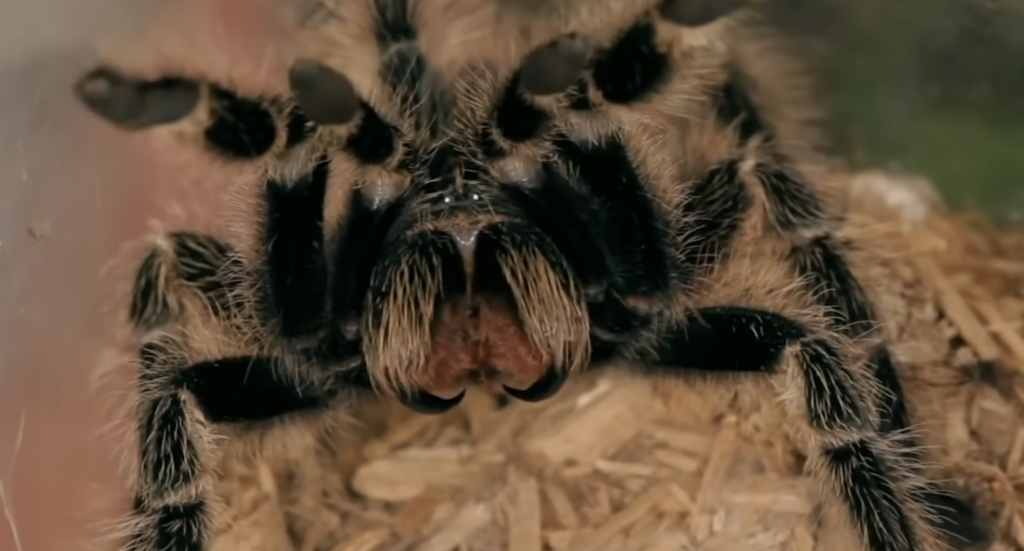
The hairs were so small and difficult to access that doctors could not simply remove them surgically. Medical treatment involving steroids was used to reduce the inflammation and irritation.
This is why disturbing a tarantula unnecessarily can create problems even when the animal never bites. Eye protection and careful handling are particularly important when cleaning an enclosure or moving a defensive spider.
Step 4: Get Medical Help After a Bite
A tarantula bite should not automatically be treated as a life threatening emergency, but serious symptoms can occur depending on the species and the individual response to the venom.
If someone is bitten, the wound should be cleaned with soap and water, and medical advice should be sought, particularly if significant pain, swelling, muscle cramps, breathing problems, widespread reactions, or other unusual symptoms develop.
Severe complications following tarantula bites have been reported. In India, cases involving giant Chilobrachys tarantulas have been associated with serious medical outcomes, including one reported case involving gangrene.
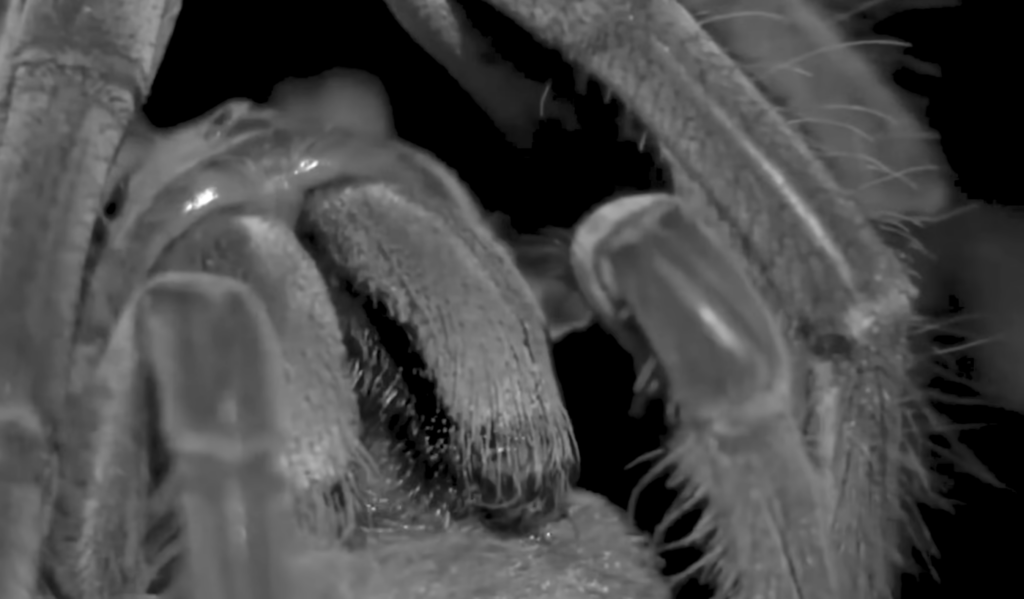
Another reported fatal case involved a severe allergic reaction with widespread hives. Such outcomes appear to be unusual, but they demonstrate why a serious reaction should never be ignored.
Most people will not die from a tarantula bite, but assuming every bite is harmless can be a dangerous mistake.
Step 5: Leave the Illegal Tarantula Trade Alone
Tarantulas are also valuable in the exotic pet trade, and some rare species can command significant prices. Their popularity has unfortunately created opportunities for illegal collectors and thieves.
In 2018, numerous specimens were stolen from the Philadelphia Insectarium and Butterfly Pavilion. The stolen collection was reportedly worth around $40,000 and included rare species such as the Mexican Fireleg Tarantula.
Keeping unusual spiders may seem like an exciting hobby, but obtaining them through illegal channels can contribute to the removal of vulnerable species from the wild.
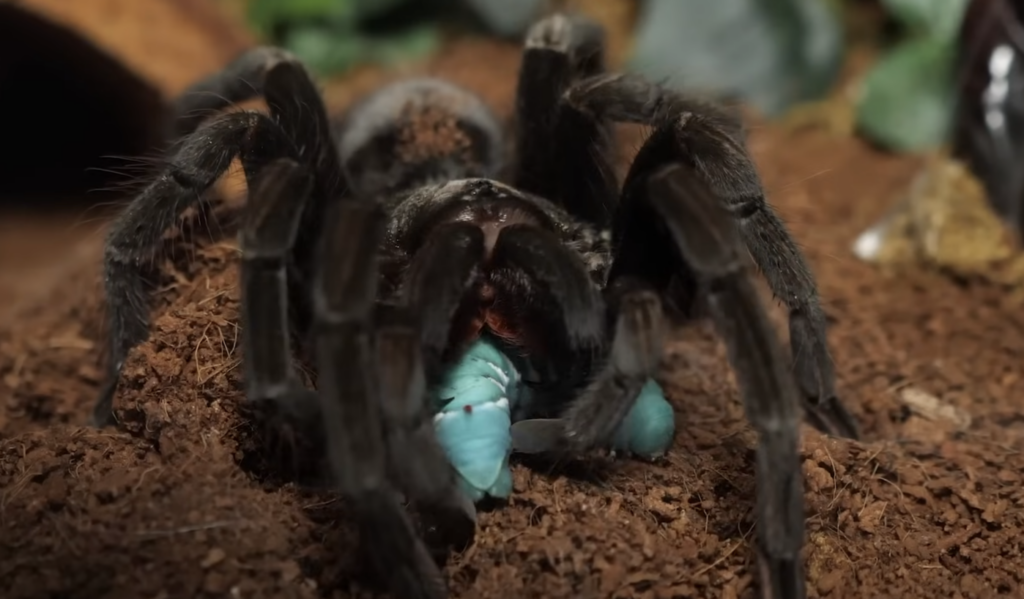
For anyone interested in keeping a tarantula, purchasing animals through legitimate and properly regulated sources is a much safer option. It also helps ensure that the animal has been obtained legally and that its care can be properly documented.
Tarantulas may look like creatures designed to inspire nightmares, but most would rather avoid humans than attack them. Their impressive size, venom, defensive hairs, and powerful fangs are primarily tools for survival.
The best way to avoid a painful encounter is not to challenge the spider in the first place. Give it space, recognize its warning signals, protect yourself from defensive hairs, and treat even a pet tarantula as a wild animal with instincts that can never be completely removed.