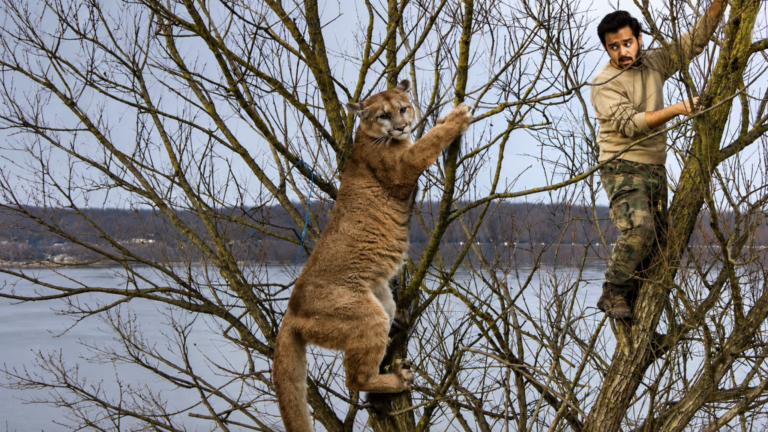
You are walking along a quiet trail when something suddenly moves inside the bushes. There is barely any wind, so the rustling immediately catches your attention. Then you realize you may not be alone.
Cougars are usually elusive, but an encounter can become dangerous when one feels threatened or becomes accustomed to people. The animal watching you may remain hidden while deciding whether to approach.
Running is one of the worst reactions you could have. Mountain lions are incredibly athletic predators that can sprint at around 80 km/h, leap roughly 4.6 meters, and cover huge distances in a single bound.
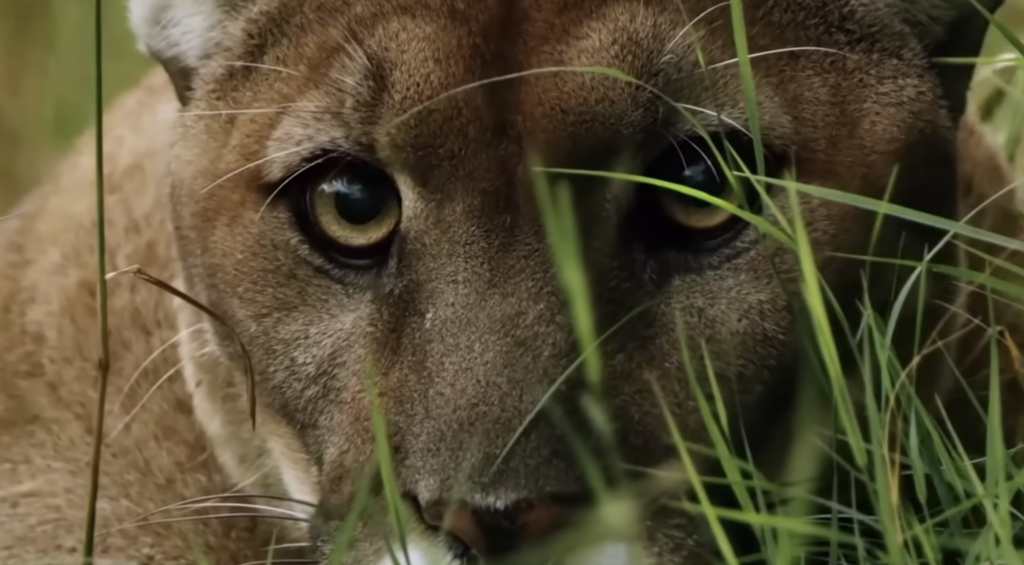
An adult cougar can weigh more than 90 kg and has powerful jaws, sharp claws, and the ability to climb trees. With tens of thousands of mountain lions estimated to live across the American West, hikers should know what to do if they encounter one.
So why should you make yourself look larger? Why might removing your sunglasses help? And what should you do if the animal actually attacks?
Step 1: Do Not Turn Away
Your natural reaction may be to look for an escape route, but turning your back on a cougar can be dangerous. If you encounter one, remain facing the animal and slowly move backward.
Stay calm and avoid sudden movements. If you spot cougar kittens, be particularly cautious because a nearby mother may become defensive.
Step 2: Fight If It Attacks
If a cougar actually knocks you down, your strategy changes completely. Fight back as aggressively as you can and use anything available to defend yourself.
Throw rocks, strike with an object, or kick if you can. Focus on vulnerable areas such as the face and nose. Your goal is to convince the animal that attacking you is not worth the effort.
Travis Kauffman experienced this firsthand while running in northern Colorado. The 31 year old heard movement behind him and immediately realized something was following him.
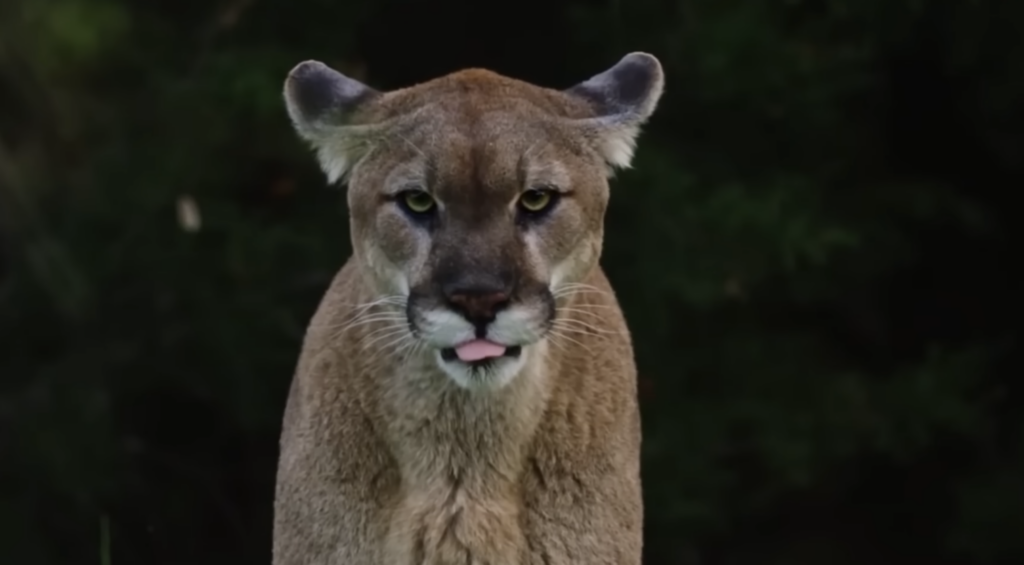
Kauffman raised his arms and shouted, but the young mountain lion still attacked, badly injuring his face. During the struggle, both of them went off the trail.
Eventually, Kauffman managed to get on top of the animal and restrain its back legs. He then suffocated the cougar while defending himself. Despite suffering serious injuries, he survived the encounter.
Step 3: Never Run
A fleeing person can trigger a predator’s instinct to chase, and a cougar is vastly faster than a human. Its normal prey includes deer, which means speed is one of the animal’s greatest hunting advantages.

Attacks on humans are uncommon, and people are not normally part of a cougar’s natural prey. However, animals that repeatedly encounter humans can become more accustomed to our presence and lose some of their natural fear.
Step 4: Make Yourself Look Bigger
If the cougar remains nearby, stand upright and make your body appear as large as possible. Raise your arms, open your jacket if you are wearing one, and use your voice to make yourself appear threatening.
Continue backing away slowly without turning around. The objective is to convince the animal that you are not an easy target.
Step 5: Keep Watching It
Do not casually look away or stare at the ground. Keep the cougar in sight while maintaining a confident posture. Removing sunglasses can help you keep visual contact with the animal.
A cougar encounter can be frightening, but panic and running can make the situation worse. Stay facing the animal, make yourself appear larger, back away carefully, and fight back if an attack actually begins.
And remember, the wilderness is not the only place where dangerous predators can be found. One of the world’s most dangerous cats might already be living inside someone’s home.