Paul Templer thought he was simply doing a favor for a friend.
It was March 9, 1996, and the 28 year old Zimbabwean tour guide was supposed to have the day off. But when a friend who was scheduled to lead a photographic safari on the Zambezi River became sick with malaria, Paul agreed to take his place.
He had plenty of experience and had previously served in the British Army. He was also familiar with the dangers of the African wilderness. Nothing about the trip seemed unusual at first.
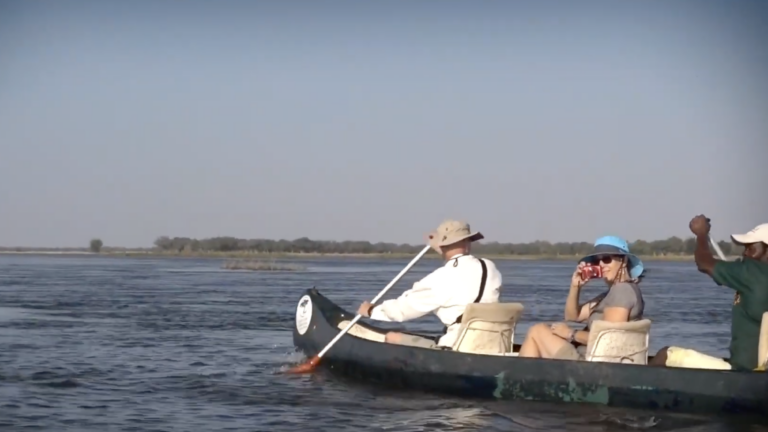
There were ten people in the group, traveling in three canoes and a kayak, accompanied by Paul and three apprentice guides named Evans, Ben and Mack.
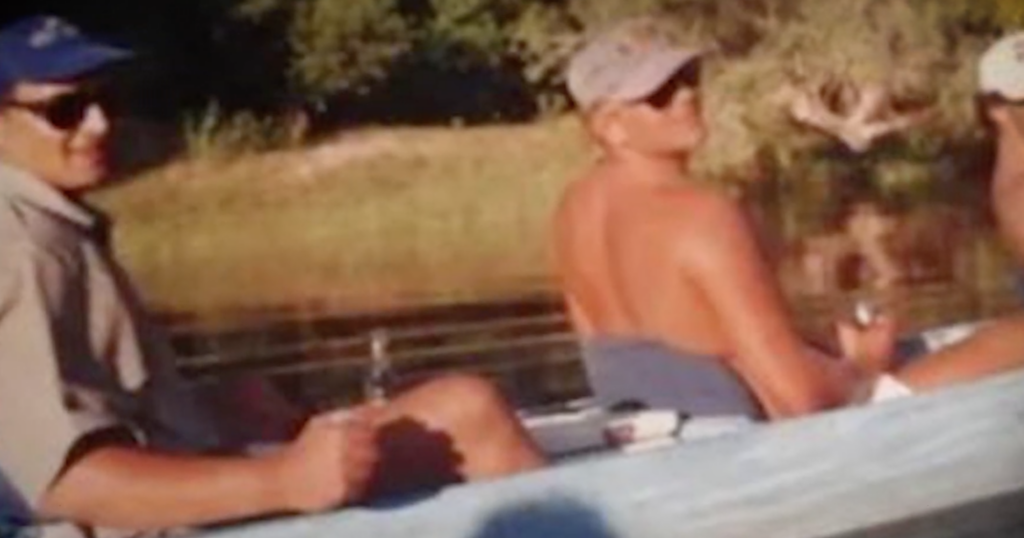
The Zambezi River was home to some of Africa’s most dangerous animals, including crocodiles and hippos. The group knew they had to be careful when they encountered a pod of hippos in the water.
Paul attempted to guide the canoes around the animals without disturbing them. Then one of the canoes suddenly went off course.
Paul turned around and saw something terrifying. Evans’s canoe had moved directly toward one of the hippos. The animal struck the canoe, throwing Evans into the river. The current began carrying him toward a female hippo and her young. Paul immediately turned his canoe around.
He knew that waiting could cost Evans his life, so he paddled toward him and reached out to pull him from the water. Their hands were almost touching when the river suddenly erupted.
Everything disappeared into darkness. Paul had been grabbed by the enormous animal.
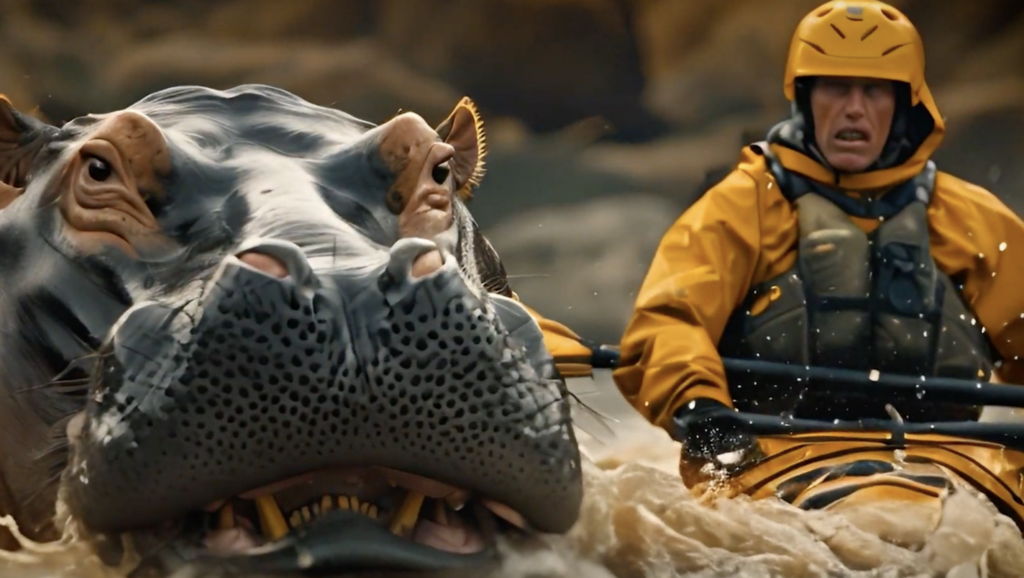
The hippo’s mouth closed around him, forcing much of his body inside its jaws. He could feel tremendous pressure against his back as the animal thrashed violently through the water. Paul later described the sensation as being tossed around like a rag doll by an enormous animal. Then something unexpected happened.
Paul was forced out of the hippo’s mouth, possibly because the animal’s gag reflex caused it to release him. He surfaced and desperately searched for Evans. But before he could understand what had happened, he was attacked again.
Paul found Evans and attempted to reach him, only for the same hippo to strike from below. Once again, the animal grabbed him and dragged him into its enormous jaws.
This time, Paul could move his arms.
He tried to fight back, but the hippo was overwhelmingly powerful. As it shook him violently, Paul could feel his body being torn apart.
Somehow, he escaped again. But the nightmare still wasn’t over.
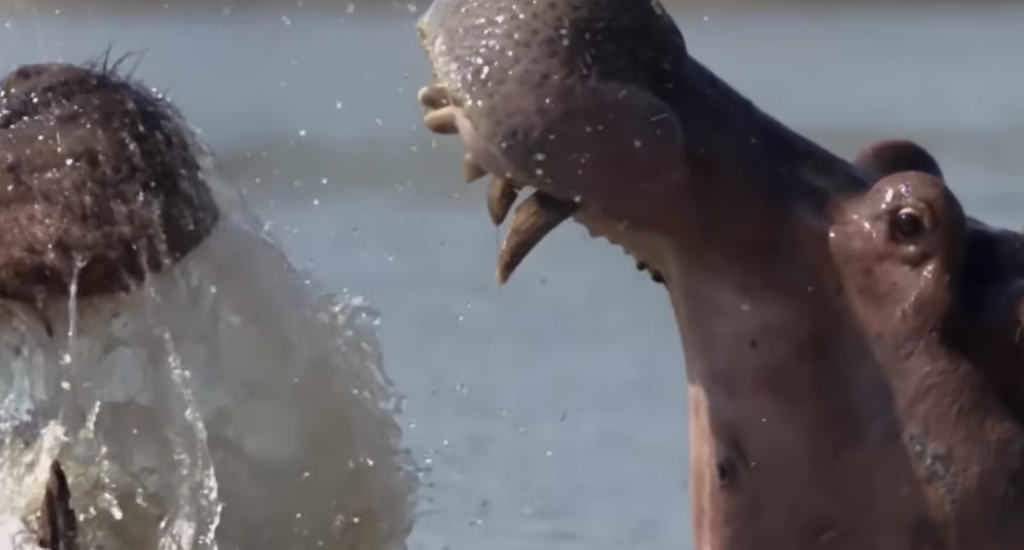
Paul began swimming toward safety when the hippo returned for another attack. The animal caught him across his body, leaving his head and upper body outside one side of its mouth while the rest of him extended from the other side.
The hippo began thrashing wildly. For several terrifying moments, Paul had almost no control over what was happening to him. Then, as suddenly as it had attacked, the animal released him.
Another guide, Mack, rushed toward Paul and helped him reach a nearby rock. The group was now facing a desperate situation. Their first aid supplies, radio and firearm were gone, while Paul was suffering catastrophic injuries.
He had a punctured lung, severe wounds across his body and a badly crushed arm. His back had been torn open, and he was losing blood rapidly. There was also still no sign of Evans.
With darkness approaching, the group realized they could not remain on the river indefinitely. They eventually made their way toward land while the injured Paul endured unimaginable pain.
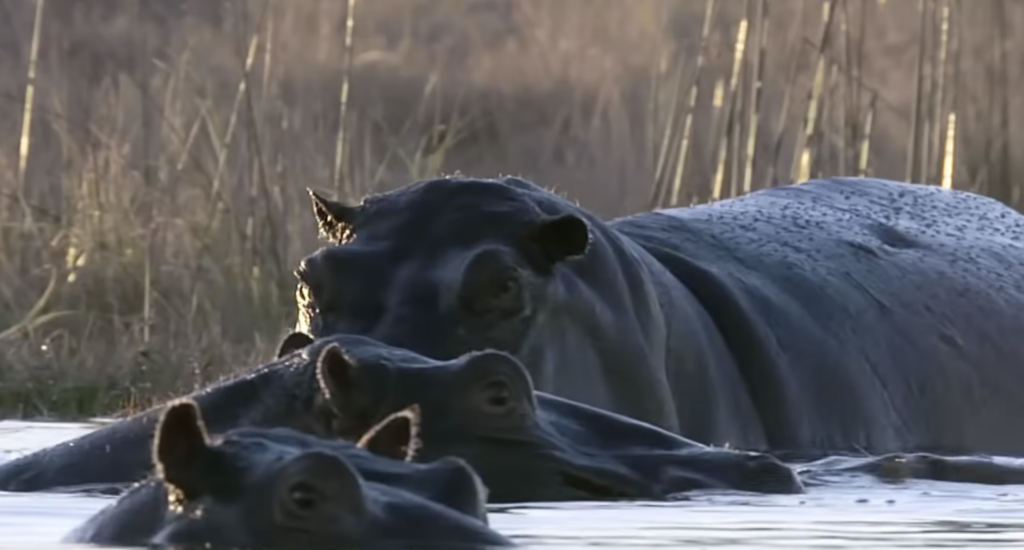
Even then, the hippo continued following them, repeatedly striking their canoe. Eventually, they reached safety and began the exhausting journey to medical treatment. It took approximately eight hours to reach a hospital.
Paul required multiple major surgeries over the following weeks. Doctors managed to save both of his legs, but his injuries were so severe that one of his arms could not be saved. Evans was never rescued.
His body was discovered several days later. There were no obvious bite wounds, leading investigators to believe that he had drowned during the struggle rather than being killed directly by the hippo.
Paul’s survival was extraordinary.
The attack left permanent physical consequences, but it did not completely take away his connection to the river. Although he eventually stopped working as a professional guide, he later became an author and public speaker, sharing the story of the encounter and the lessons he took from it.
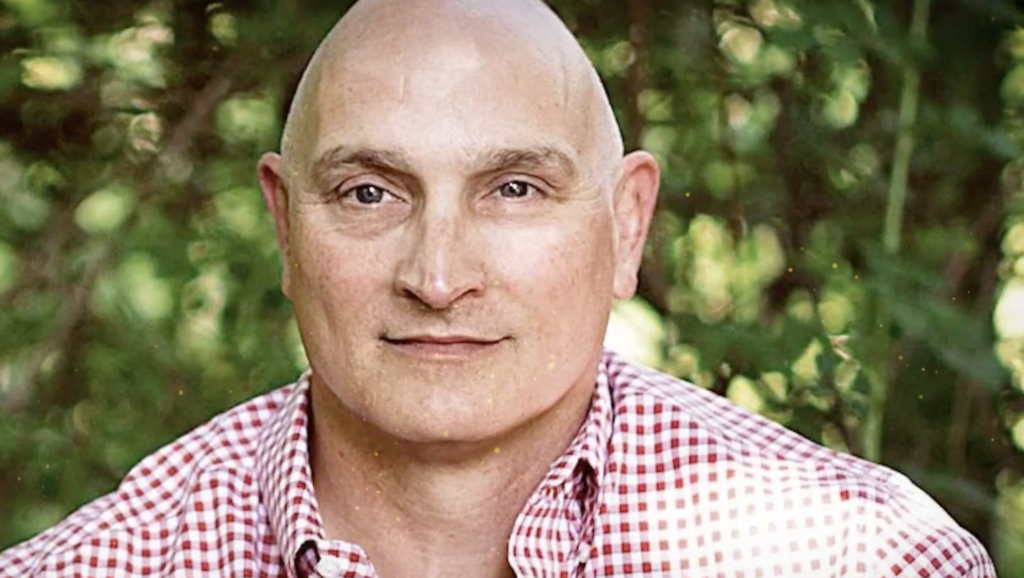
For Paul, surviving was only part of the battle.
The greater challenge was deciding what to do with the life he had been given after such a horrific experience. The attack had nearly killed him, taken one of his arms and changed his life forever.
Yet he refused to let that moment define everything that came afterward.
The Zambezi River had given Paul some of the most unforgettable experiences of his life. It also nearly took his life away.
On that day, he learned just how quickly a peaceful safari could become a fight for survival when a massive hippo decided to attack.