You are walking through tall grass as daylight begins to disappear. While searching for a piece of wood, you notice something lying across the ground and reach toward it without thinking.
Then the supposed branch suddenly moves. Its head rises from the grass, revealing a long snake that has been almost perfectly hidden from view. Before you have time to step away, it strikes.
One bite would be frightening enough. But what if the snake strikes again, and then a third time? Now the question is no longer how dangerous the animal is, but whether you can reach medical help before its venom takes control of your body.
The black mamba is one of Africa’s most notorious venomous snakes. It lives across parts of eastern and southern Africa and ranks among the longest venomous snakes on the planet.
Most adult black mambas measure around 2.4 meters, although exceptionally large individuals can grow beyond four meters. Their size alone makes them impressive, but their venom is what makes a serious encounter particularly dangerous.
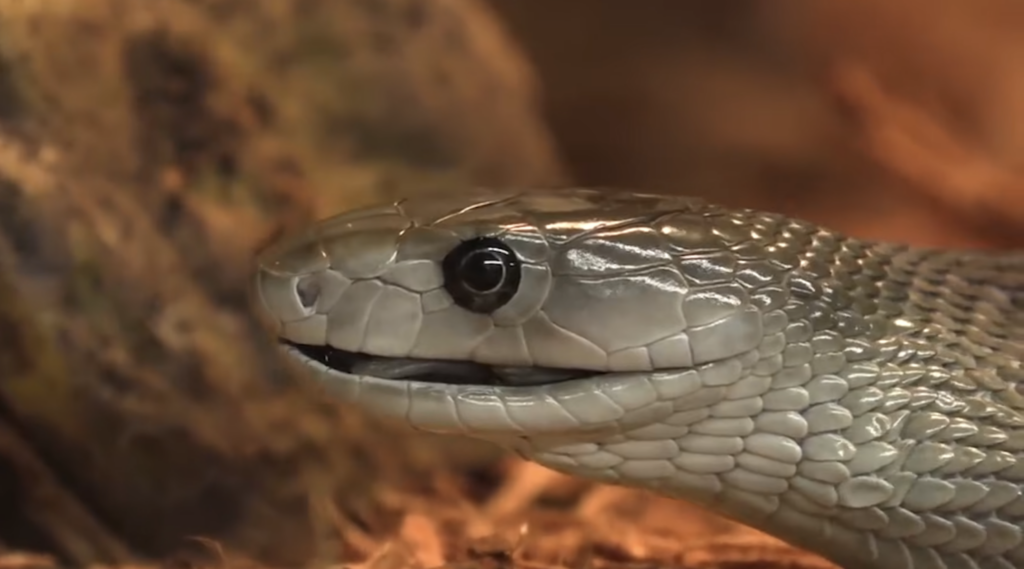
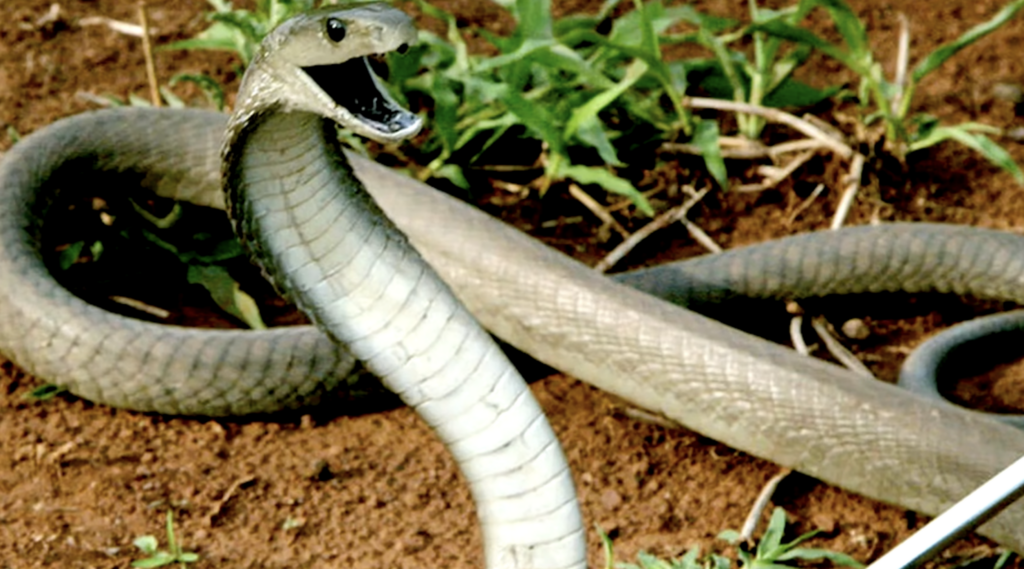
Despite its famous name, the snake is usually not black on the outside. Its body can appear brown, olive, gray, or combinations of these colors.
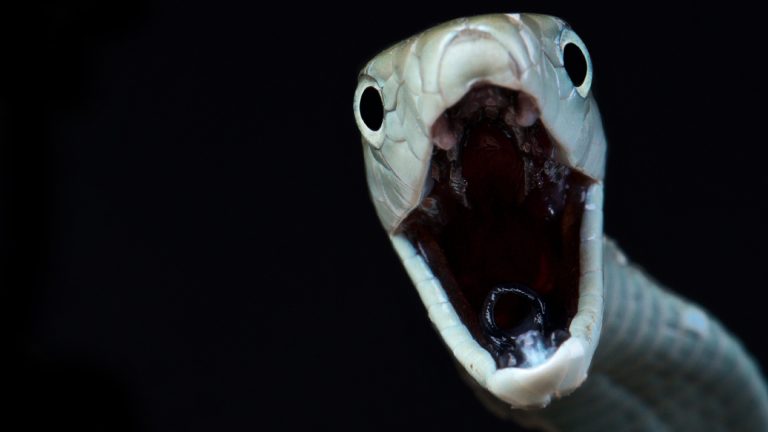
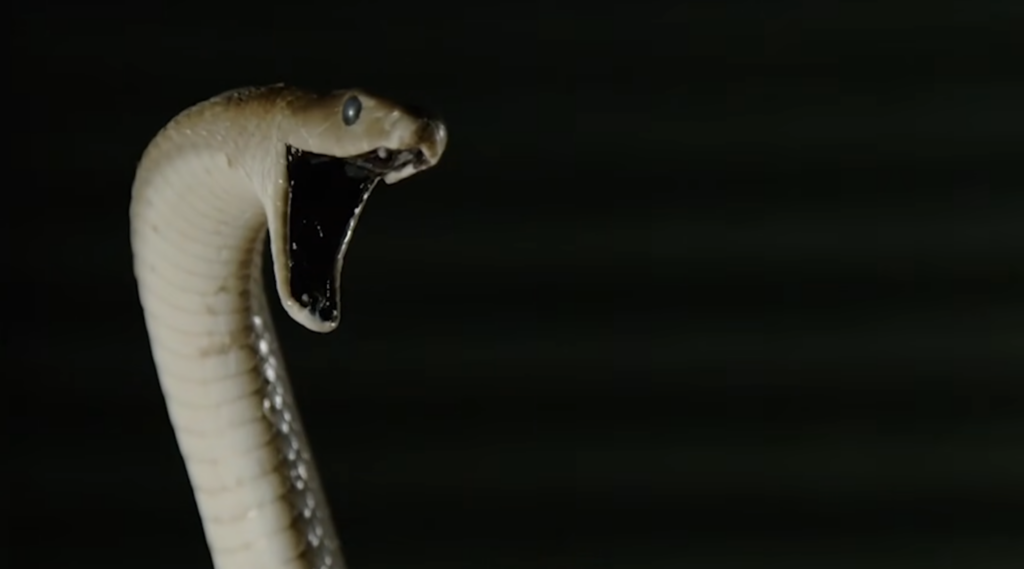
The name comes largely from the dark interior of its mouth. When threatened, a black mamba can raise the front section of its body and open its mouth, revealing the distinctive dark coloration.
It can also move rapidly when it needs to escape or defend itself. Short bursts of speed can reach roughly 19 kilometers per hour, which means trying to beat the snake in a straight race is not a dependable way to escape.
The greater concern is what happens after a bite. Black mamba venom contains potent neurotoxins that interfere with the nervous system. In severe cases, the effects can progress to paralysis and eventually interfere with the muscles required for breathing.
Without appropriate treatment, severe envenomation can become fatal. That makes the time between a bite and receiving professional medical care extremely important.
A case reported in Kenya in 2017 illustrates how quickly a serious encounter can develop. A black mamba became wrapped around a woman’s leg, and when she attempted to remove the snake, it bit her three times.
The woman lost consciousness before she could reach the hospital, which was around 45 minutes away. Fortunately, medical staff had antivenom available, and she survived the incident.
Her experience shows why a suspected black mamba bite should be treated as a medical emergency. Trying to find, capture, or kill the snake can waste valuable time and expose another person to another bite.
The priority should be getting emergency medical assistance as quickly as possible while keeping the victim as calm and still as practical. Movement can increase circulation and may contribute to faster distribution of venom.
Any rings, watches, bracelets, or tight clothing around the affected limb should be removed early if possible, because significant swelling may develop.
The victim also needs close observation while waiting for medical care. Because black mamba venom can interfere with nerve signals, breathing can become impaired as the effects progress.
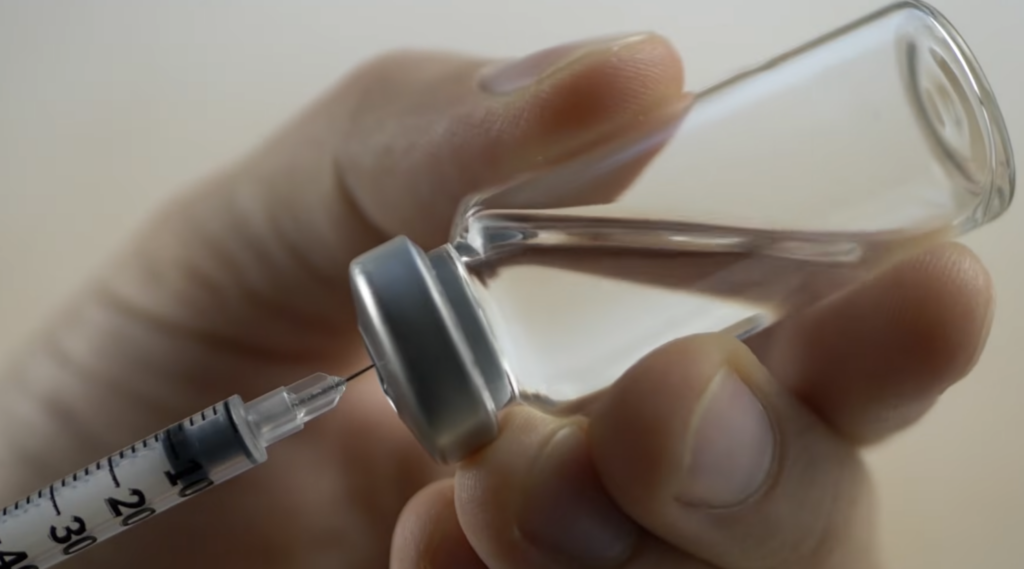
At a hospital, doctors can provide antivenom and supportive treatment. In severe cases, respiratory support may be necessary if the muscles responsible for breathing become weakened or paralyzed.
Of course, avoiding the bite in the first place is far better than relying on treatment afterward. People traveling through black mamba territory should be especially careful around places where snakes may hide.
Never reach blindly into holes, hollow logs, rock piles, thick vegetation, or other dark spaces. Wearing sturdy footwear and clothing that provides additional coverage can also reduce exposure to potential snake encounters.
Most importantly, never approach a black mamba. These snakes generally prefer to avoid humans, and many encounters occur when the animal feels threatened, trapped, or accidentally disturbed.
If you see one, the safest response is to create distance and leave it alone. Do not attempt to corner it, handle it, or provoke it for a closer look.
That harmless looking branch in the grass could be something completely different. And if it happens to be a black mamba, the most important thing is recognizing the danger quickly and getting professional medical help without wasting time.
A bite does not automatically mean death, especially when effective medical treatment is available. But when a highly venomous snake strikes repeatedly, every minute between the accident and emergency care can matter.