He was a naturalist, not a soldier, attached to British forces on an island off the coast of Burma. What he described hearing that night in 1945 turned into one of the most repeated horror stories of the entire war.
Screams. Gunshots. And underneath both, the sound of crocodiles moving through the swamp.
From that single account grew the legend that hundreds of Japanese soldiers were eaten alive in a single night.
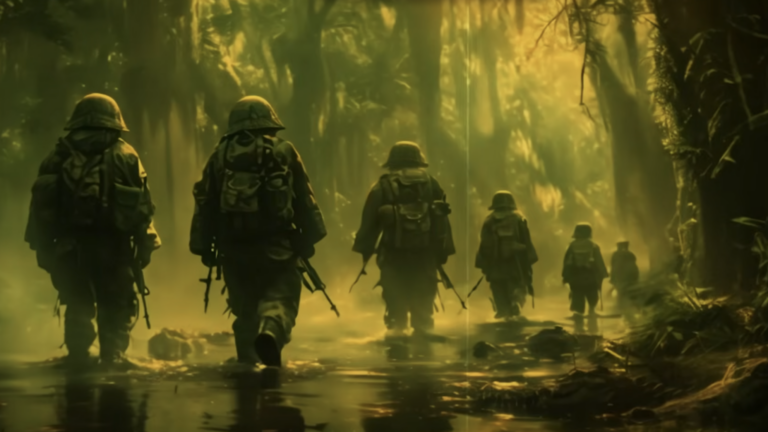
Roughly 1,000 Japanese soldiers were stationed on Ramree Island when British and Indian Allied forces launched an operation to seize it, aiming to build strategic air bases in the Bay of Bengal.
The coastal fighting was intense, but the defenders were badly outmatched, with warships offshore, aircraft overhead, and thousands of troops advancing on the ground.
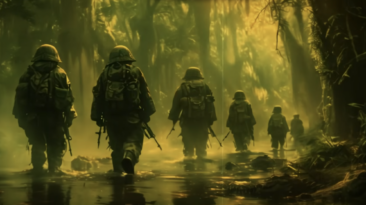
Surrender, though, was not part of the Japanese mindset. Bound by the Bushido code, many chose to keep fighting or withdraw rather than give up, and their commanding officer ordered a retreat through the island’s interior to regroup with other Imperial forces.
That order sent them into one of the most hostile environments imaginable.
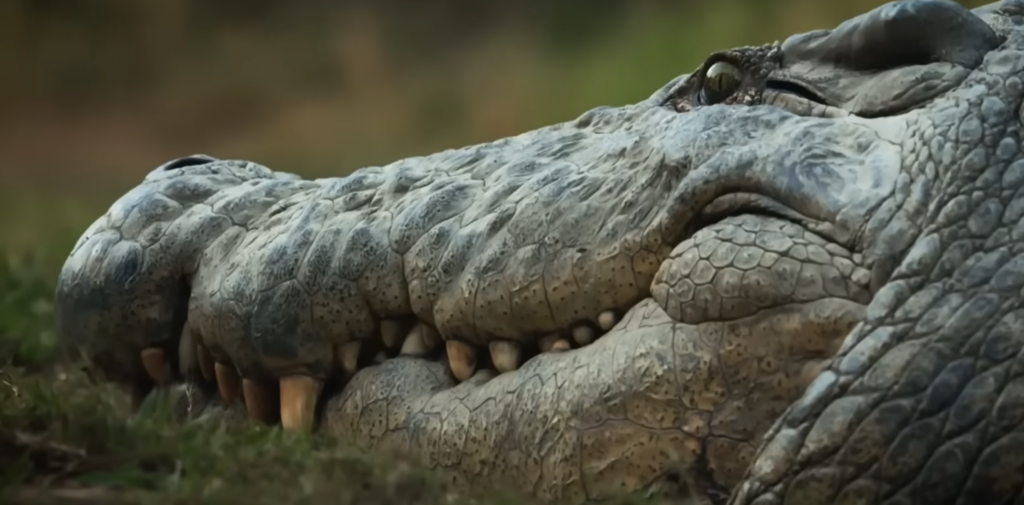
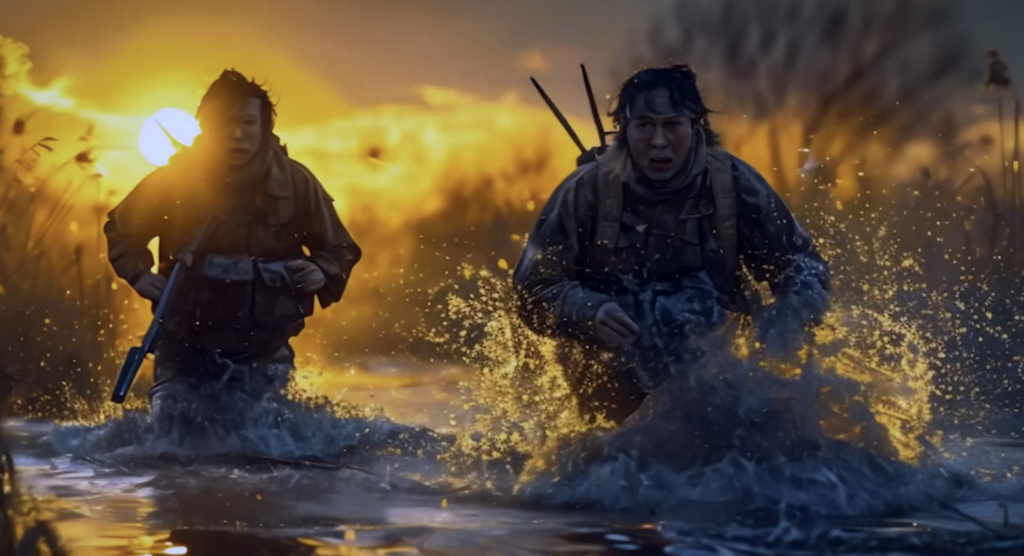
The escape route ran roughly 16 kilometers through dense mangrove swamp thick with disease, insects, and hidden dangers. Men waded through mud while battling dehydration, exhaustion, and illness, and with fresh water almost impossible to find, some drank from contaminated sources and only made themselves sicker.
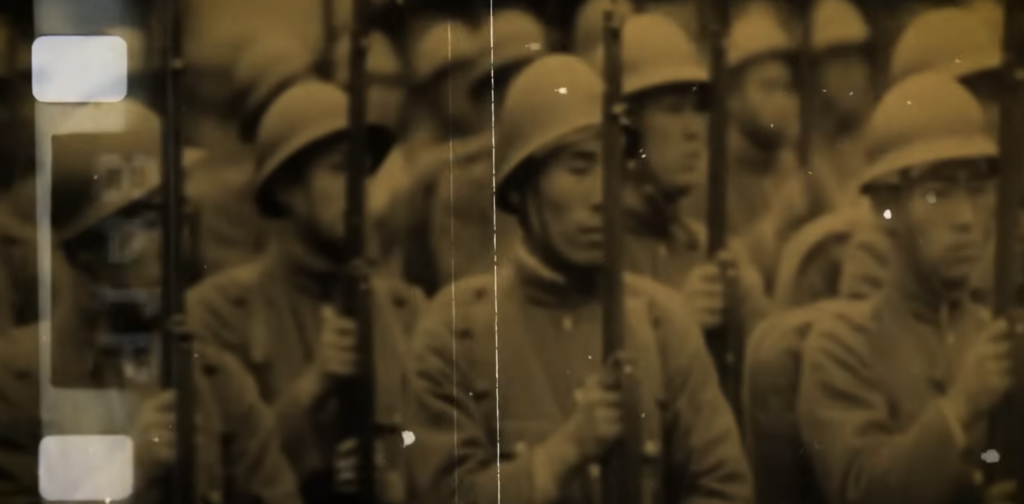
Then there were the saltwater crocodiles.
These predators grow over 6 meters long and ambush from the water without warning. Against soldiers already weakened by days in the swamp, they had every advantage.
Accounts from the time describe chaos in the darkness, with gunfire echoing through the mangroves as men pushed forward blindly. Some tried crossing channels toward the mainland and faced drowning or attack in the open water.
Which brings us back to the naturalist and what he reported hearing.
Early claims held that only about 20 Japanese soldiers survived the ordeal, a figure that helped cement Ramree in memory as the deadliest animal encounter in military history.
Later research pushed back hard on that number. Modern investigations into military records and local accounts suggest many more troops actually escaped the swamp, while a large share of the deaths came from disease, exhaustion, combat, and drowning rather than crocodiles.
Some studies conclude the crocodiles likely killed only a small number of men, with the harsh environment and ongoing fighting responsible for most of the rest.
What probably happened, then, is that a desperate military retreat slowly transformed into a myth of mass slaughter, helped along by one man listening to a very dark night and telling people what he heard.
Ramree Island still sits where history and legend overlap, a reminder of how war in extreme places produces stories that blur the line between fact and fear.