


Ancient Egypt’s Greatest Inventions That Changed the World

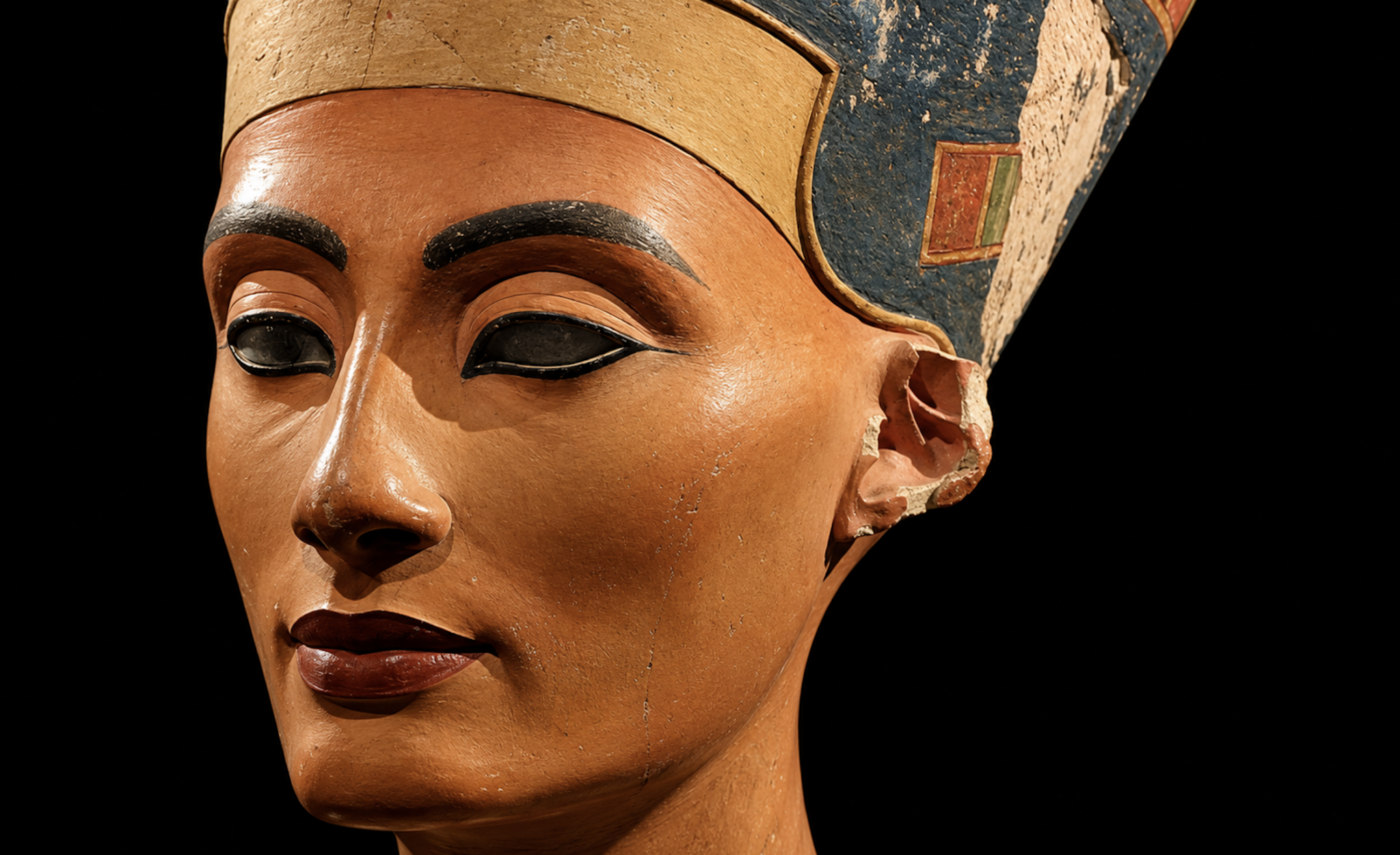
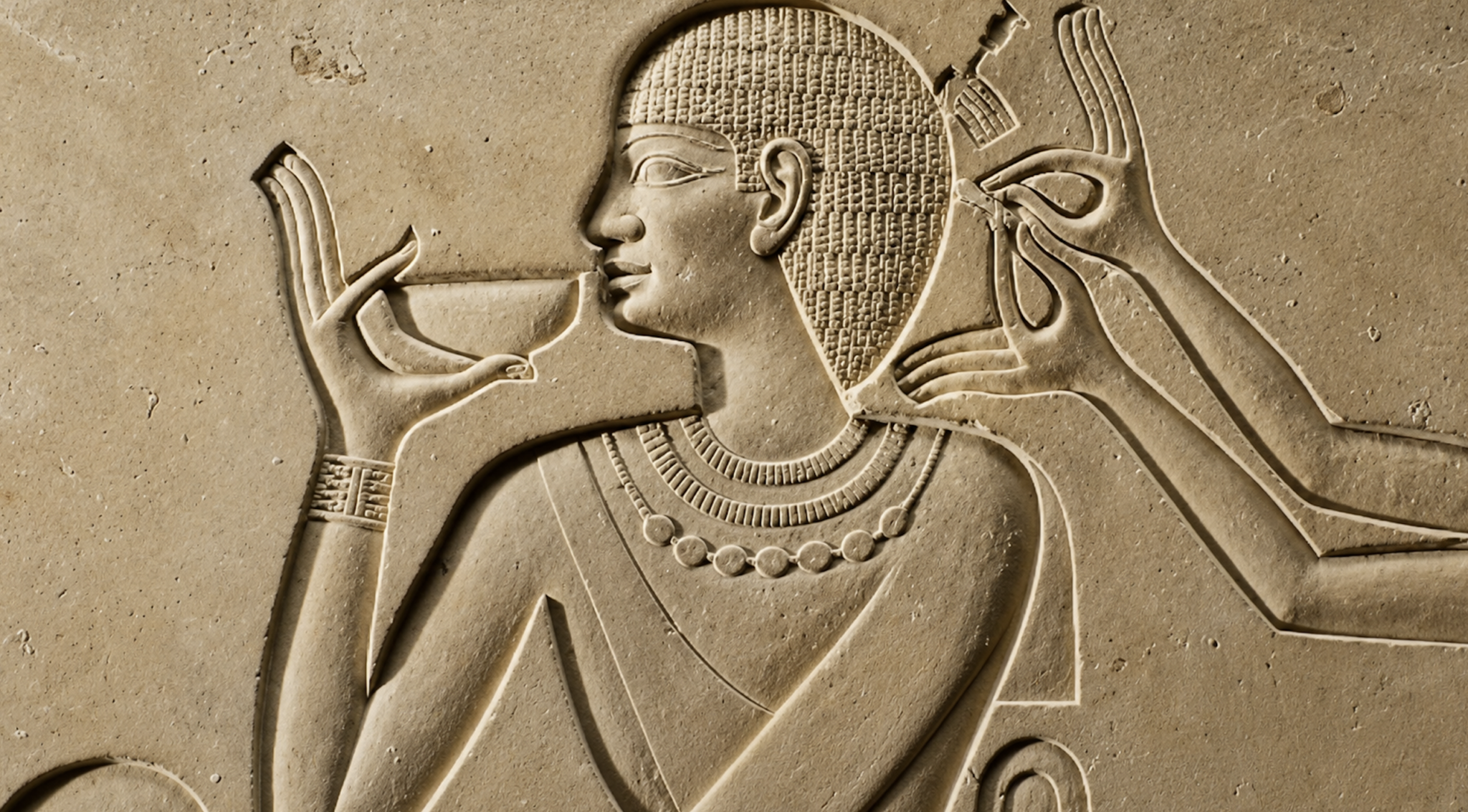
Eye Makeup The people of Ancient Egypt were already using eye makeup as early as 4000 B.C., making them one of the first civilizations to develop cosmetics. Both men and women applied thick eyeliner made from minerals such as galena and malachite. It was believed to protect the eyes from infections, reduce glare from the harsh desert sun, and even ward off evil spirits. Beyond practical uses, eye makeup also became a powerful symbol of beauty, identity, wealth, and social status in everyday Egyptian life.
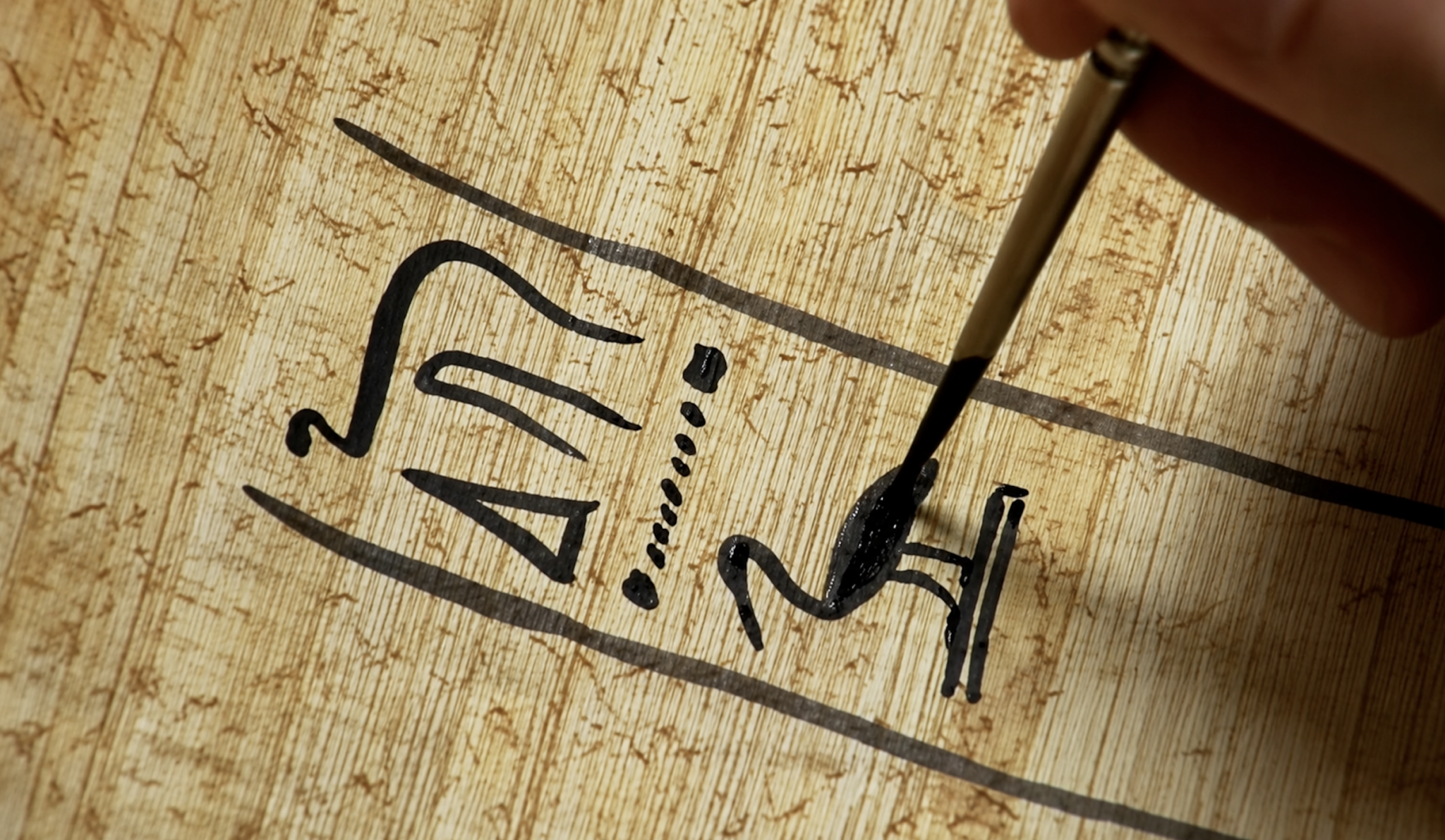
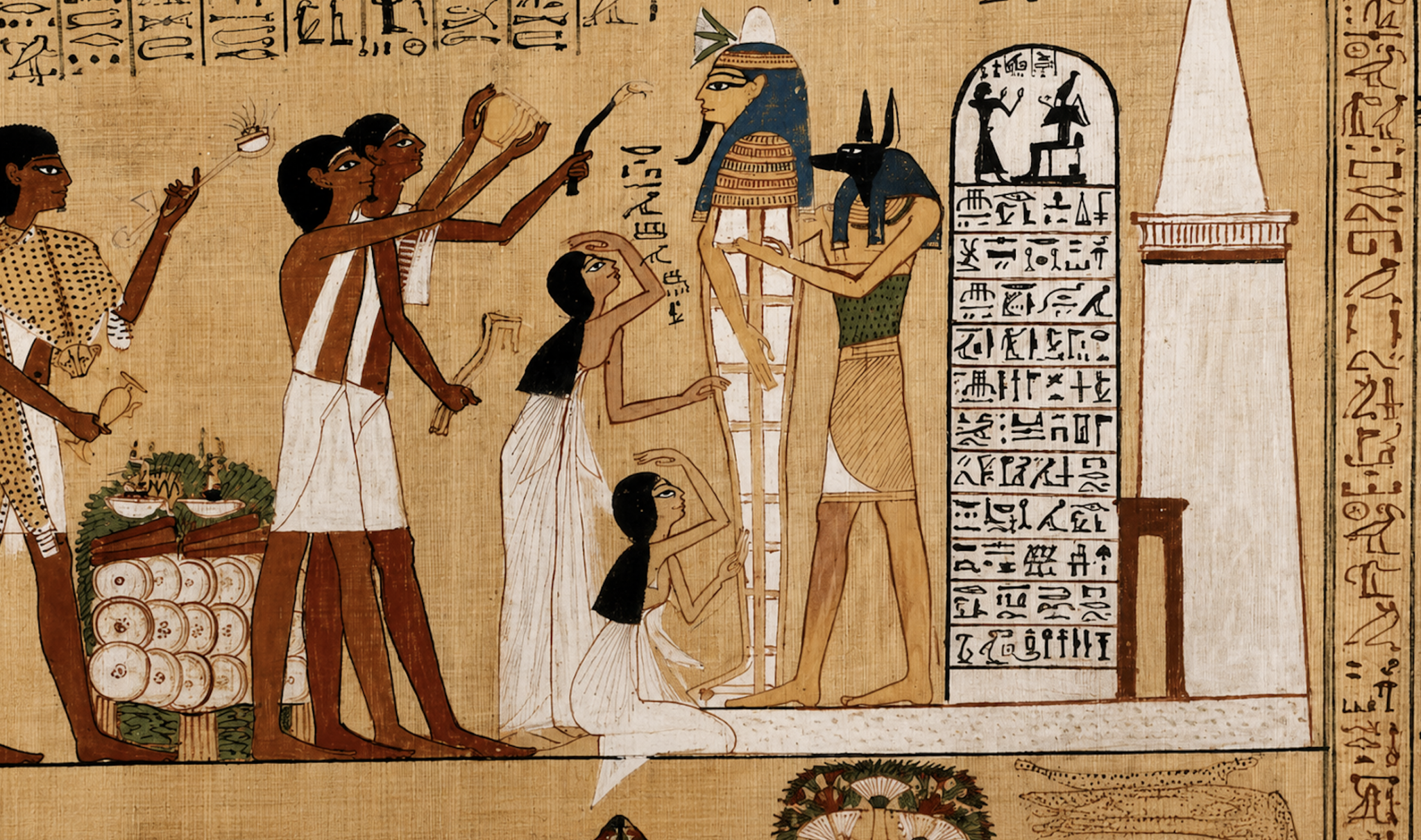
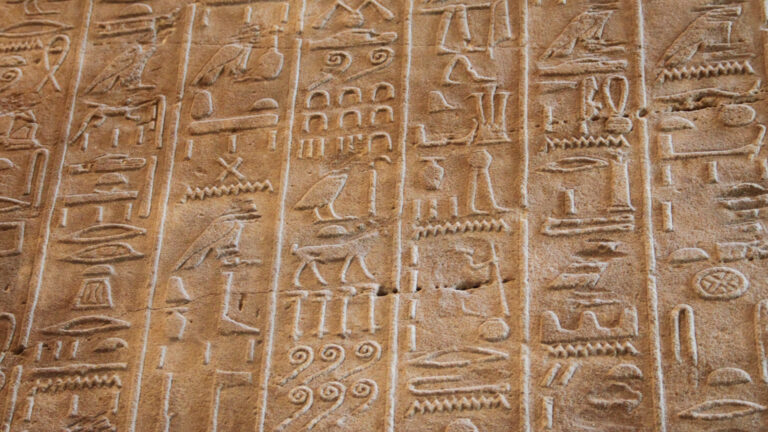
Written Language Ancient Egyptians developed one of the earliest and most advanced writing systems in human history, known as hieroglyphics. This complex pictographic system used hundreds of symbols to represent sounds, objects, ideas, and names, allowing for highly detailed communication. Skilled scribes carved hieroglyphs onto temple walls, tombs, monuments, and later recorded information on papyrus scrolls used for administration and religion. The system allowed Egyptians to preserve sacred texts, document historical events, and manage trade and governance across the kingdom, becoming one of the most influential foundations of written language in human civilization.
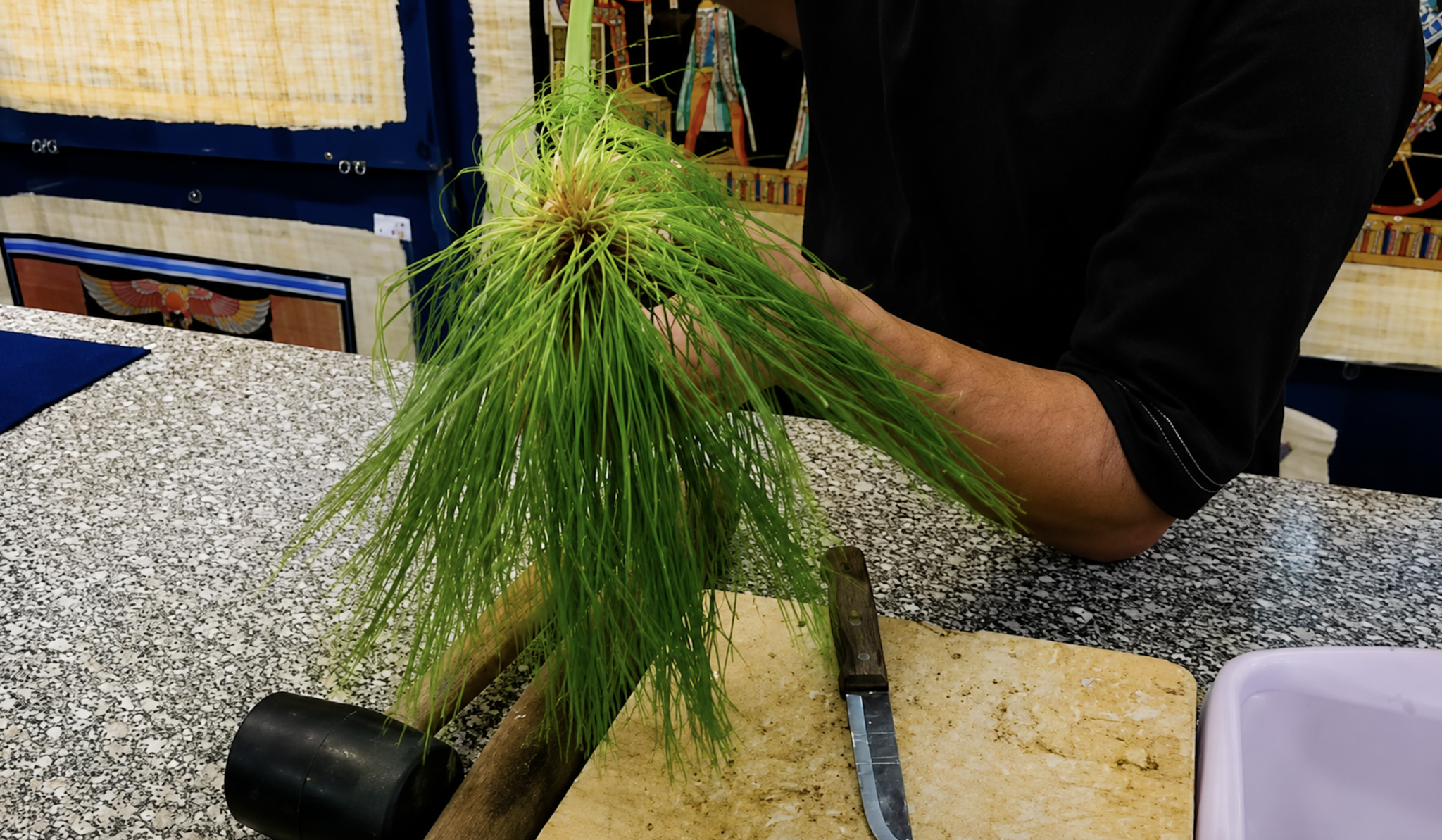
Papyrus Sheets Before paper existed, Ancient Egyptians invented papyrus using reeds that grew along the fertile banks of the Nile River. The plant was harvested, sliced into thin strips, soaked in water, and then layered in crisscross patterns before being pressed and dried under the sun. This process created a strong yet flexible writing surface used for official records, religious texts, literature, and education. Papyrus also had many other uses, including making ropes, mats, sandals, and boat sails, making it one of the most important materials in the ancient world for communication, trade, and daily life.
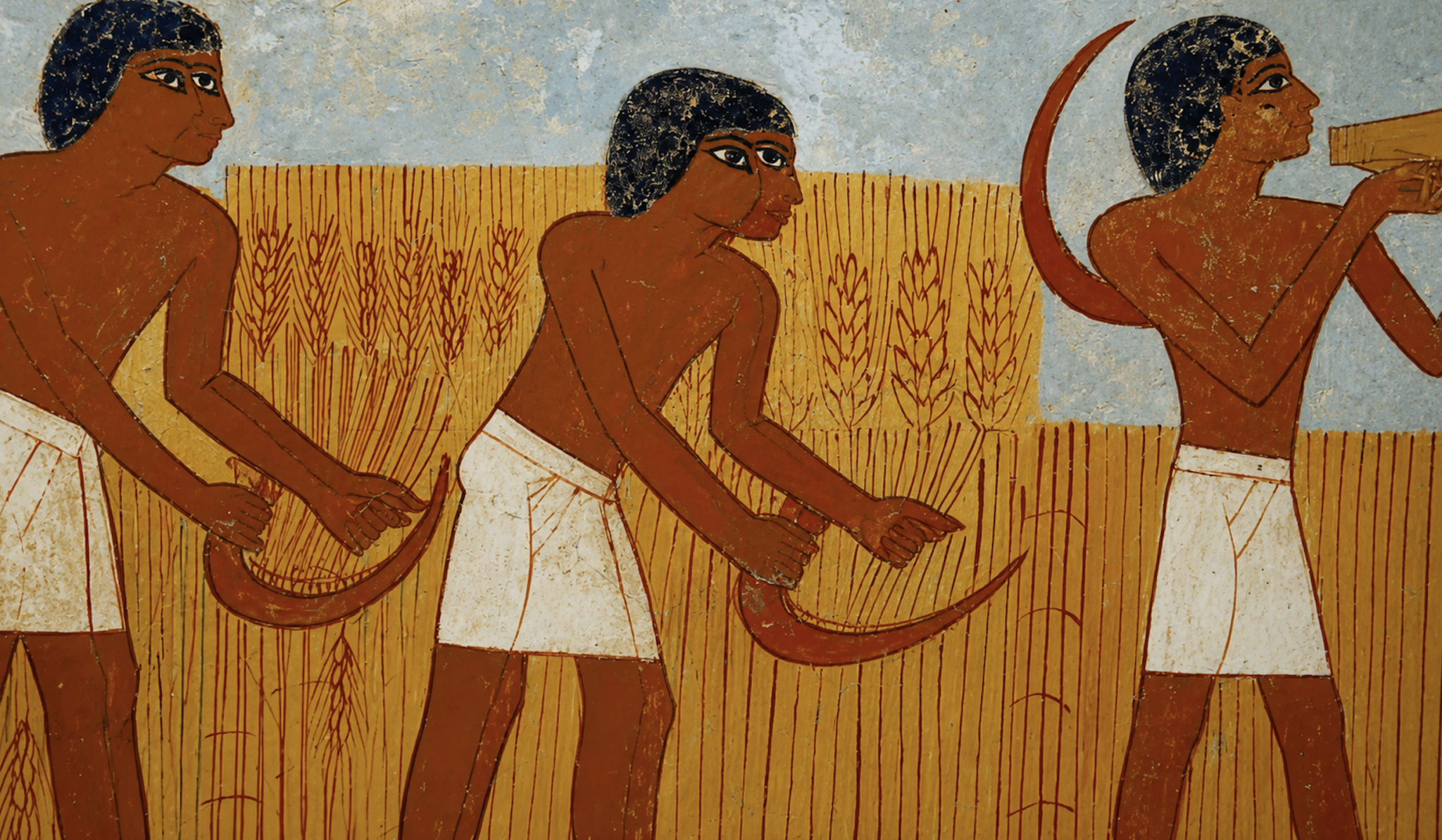
The Calendar Ancient Egyptians developed a highly organized calendar system based on the annual flooding cycle of the Nile River, which was essential for agriculture and survival. They divided the year into three main seasons: inundation, planting, and harvest, carefully tracking the rising of stars like Sirius to predict seasonal changes. This system allowed farmers to plan crop cycles with remarkable accuracy, improving food production and supporting population growth. Beyond farming, the calendar helped regulate religious festivals and administrative duties, and it later influenced calendar systems used by many other civilizations across history and even aspects of modern timekeeping.
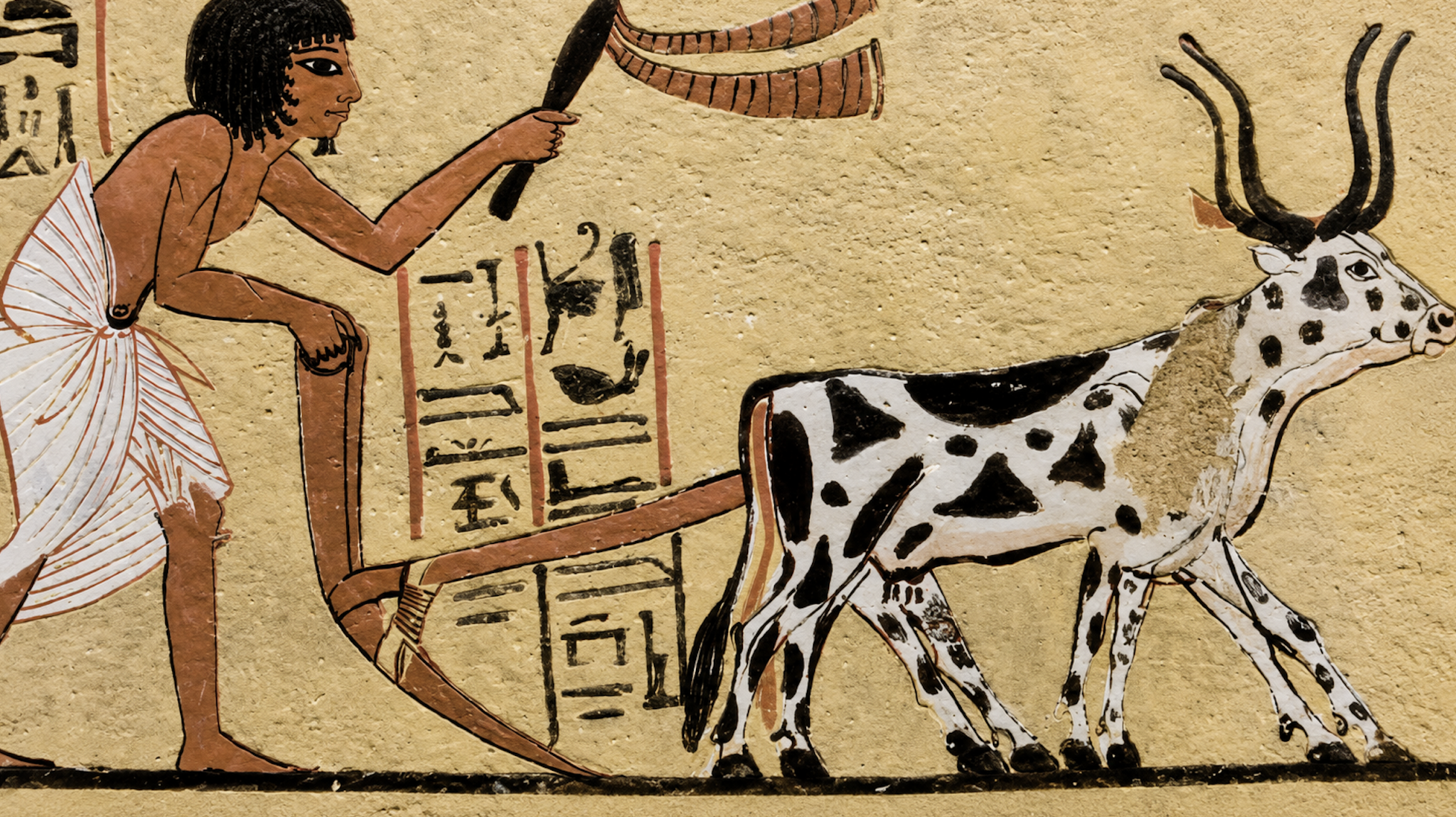
The Plow Around 4000 B.C., Ancient Egypt became one of the earliest civilizations to widely adopt the plow for agricultural development. Early plows were simple wooden tools pulled by oxen or workers to break up, loosen, and turn soil before planting crops. Although basic in construction, this invention greatly increased farming efficiency and allowed Egyptians to cultivate much larger areas of fertile land along the Nile. As a result, food production rose significantly, supporting population growth, trade expansion, and societal stability. Over time, the plow evolved into more advanced agricultural machinery that influenced farming practices across many ancient and modern civilizations worldwide.
Breath Mints In Ancient Egypt, dental problems were widespread because bread often contained tiny grains of sand that gradually wore down teeth and caused infections. To combat bad breath and improve personal hygiene, Egyptians created early breath mints using natural ingredients such as honey, cinnamon, frankincense, myrrh, and medicinal herbs. These ingredients were carefully mixed and shaped into small pellets that could be chewed after meals. While simple, they helped freshen breath and reflected a strong cultural emphasis on cleanliness, appearance, and health, showing how Egyptians combined natural medicine and daily routines into practical personal care solutions for society.
Bowling Archaeological discoveries suggest that a form of bowling existed in Ancient Egypt nearly 2,000 years ago during the Roman period. Players rolled stone balls along specially prepared lanes toward arranged targets, making it one of the earliest known recreational games in human history. While the exact rules remain uncertain, the core idea of aiming and knocking down objects closely resembles modern bowling. This activity shows that Ancient Egyptians valued leisure and entertainment alongside work, religion, and daily responsibilities, and it highlights how early societies developed structured games that influenced recreational traditions for centuries across different civilizations worldwide.
Shave and a Haircut Ancient Egyptians believed body hair was unhygienic and uncomfortable in the hot desert climate, leading many people to regularly shave their heads and bodies for cleanliness and comfort. They developed specialized grooming tools such as razors, tweezers, combs, and mirrors to maintain personal hygiene and appearance. Wealthier Egyptians often wore elaborate wigs made from human hair or plant fibers, which served both fashion and protection from the sun. Grooming practices became closely connected to beauty, health, social status, and identity, making personal appearance an important part of daily life and cultural expression throughout Ancient Egyptian society.
The Door Lock Ancient Egyptians invented one of the earliest known mechanical locking systems around 4000 B.C., known as the pin tumbler lock. It used a wooden bolt secured by several internal pins that could only be lifted using a specially shaped key. When the correct key was inserted, it raised the pins and allowed the bolt to slide open, unlocking the door. Although simple compared to modern systems, this design was highly innovative for its time and provided improved security and privacy for homes and storage. The same basic pin tumbler principle is still widely used in modern locks and security systems worldwide today.
Toothpaste Ancient Egyptians developed one of the earliest known forms of toothpaste to improve oral hygiene and combat tooth decay caused by abrasive grains in food. Their mixture included powdered ox hooves, ashes, burnt eggshells, and pumice stone, creating a gritty paste used to scrub teeth and remove food particles after meals. Although the ingredients may seem harsh today, this early formula represented a major step forward in dental care and hygiene practices. It helped reduce oral infections and laid the foundation for modern toothpaste, showing how advanced Egyptian understanding of health and cleanliness truly was in everyday life.
Subscribe
Notify of

0 Comments
Most Voted
Newest Oldest
Inline Feedbacks
View all comments