Empty your pockets. This is not a hold up, but something important is missing. No coins, no cards, no problem. Pretty soon, you might not need to carry anything at all. Just a phone. Or maybe even a watch.
Money can change people. But people have also changed money. It appears, disappears, and transforms into whatever society agrees it should be.
So how did it all begin?
From survival to early trade
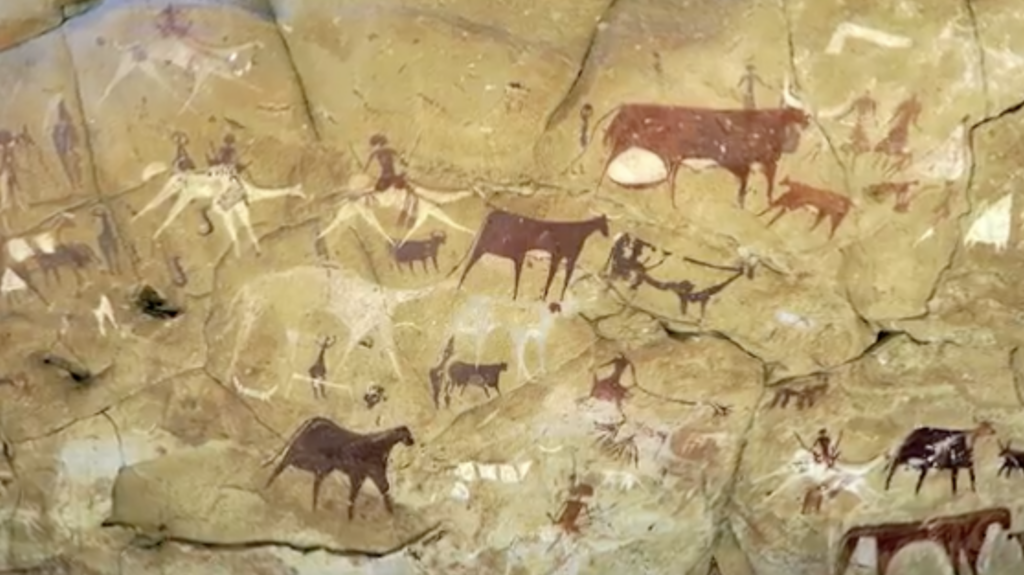
If we go back around 7,000 years, or even further, money did not look anything like what we use today. In fact, in the earliest human societies, almost anything could function as money if other people were willing to accept it in exchange for goods or services.
That idea stretches back even further than farming societies, possibly to the late Stone Age around 40,000 years ago. Early humans traded tools, weapons, food, and materials to improve their chances of survival.
But this system had a major problem. What happens when two people simply cannot agree on what something is worth? Or when one person does not want what the other has?
That problem led to barter systems breaking down.
Commodity money takes over
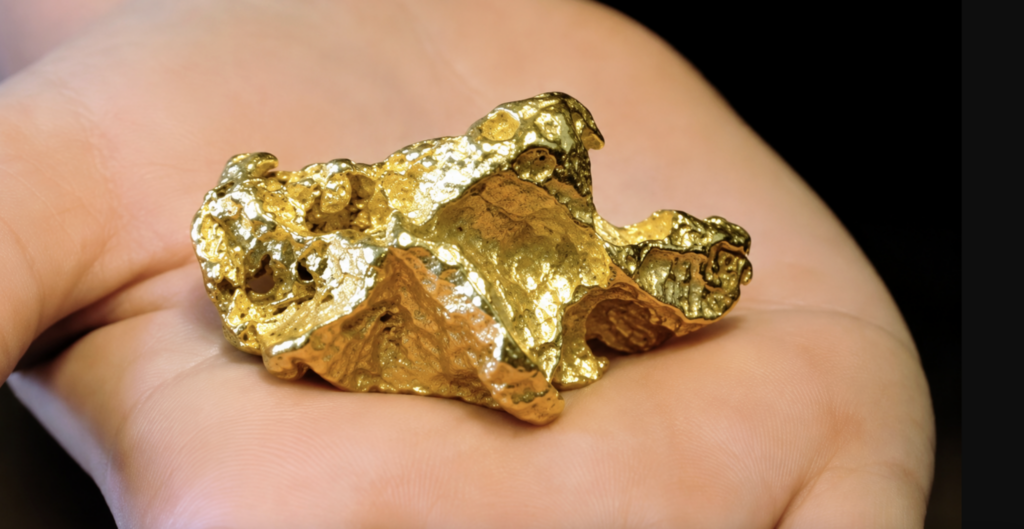
To solve this, humans began using commodity money. Instead of trading anything randomly, societies agreed on certain items that had shared value. These could be seeds, cattle, shells, or precious metals.
In theory, this made trade easier. In practice, it still was not perfect. Carrying a cow to buy goods is not exactly convenient.
The first coins and early currency
Around 1100 BCE, ancient China began using simplified forms of money, including miniature versions of tools and weapons used in trade.
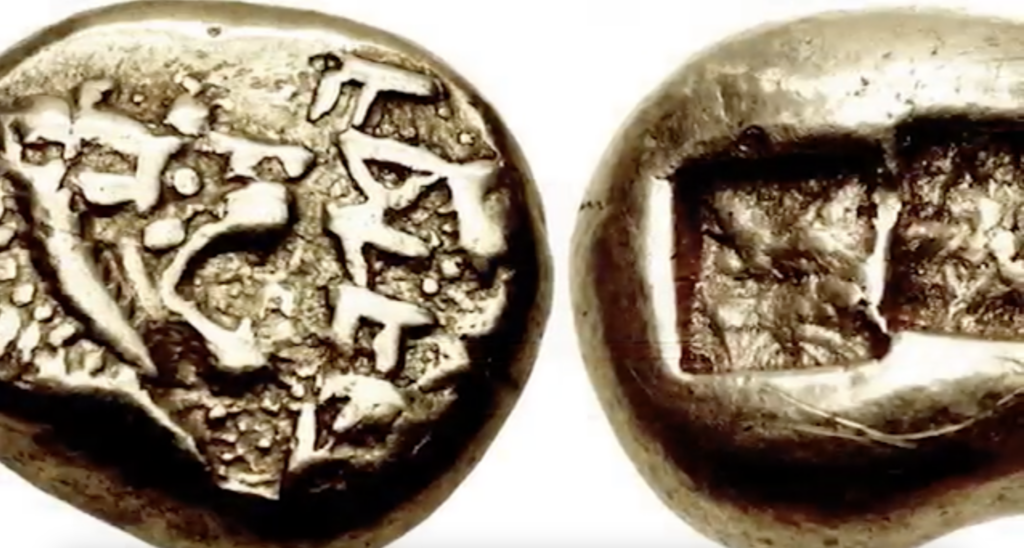
Later, around 600 BCE, the kingdom of Lydia, under King Alyattes, is credited with minting some of the first official coins. These metal coins were stamped with markings that represented their value, making trade faster and more reliable. Lydia became wealthy through this innovation, briefly becoming a major economic power in Asia Minor.
The rise of paper money
Centuries later, another major shift happened in China during the Song Dynasty in the 11th century CE. Due to a shortage of copper, the government introduced paper money as an alternative to coins.
This idea slowly spread. By the 16th century, paper currency had become widely used across much of the world. This marked the shift from commodity money to representative money. Paper notes were backed by physical assets like gold and silver, and people could exchange them for those metals at banks.
The limits of gold-backed money
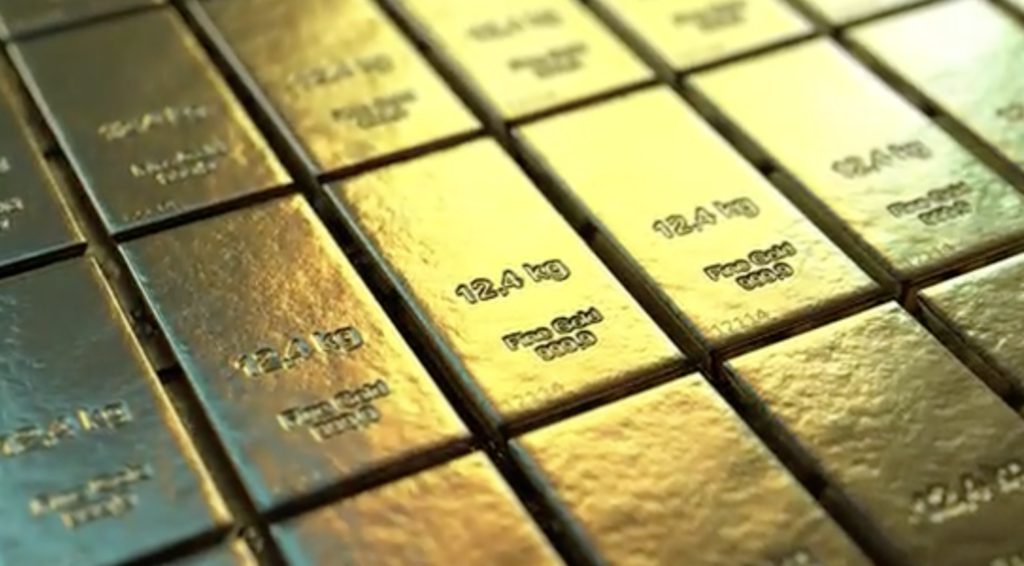
However, this system had limits. When money is tied to gold or silver, a country cannot simply print more currency whenever it wants. It must have enough reserves to support the money in circulation.
Since gold is rare and grows slowly in supply, this creates a natural restriction on how much money exists in the economy. While this can help control inflation, it can also limit economic growth and government spending.
From gold to fiat money
In 1933, during the Great Depression, the United States made a major change. President Franklin D. Roosevelt reduced the connection between gold reserves and the amount of money in circulation. This allowed the government to increase spending and stimulate the economy.
Over time, many countries moved away from gold backed systems entirely and adopted fiat money.
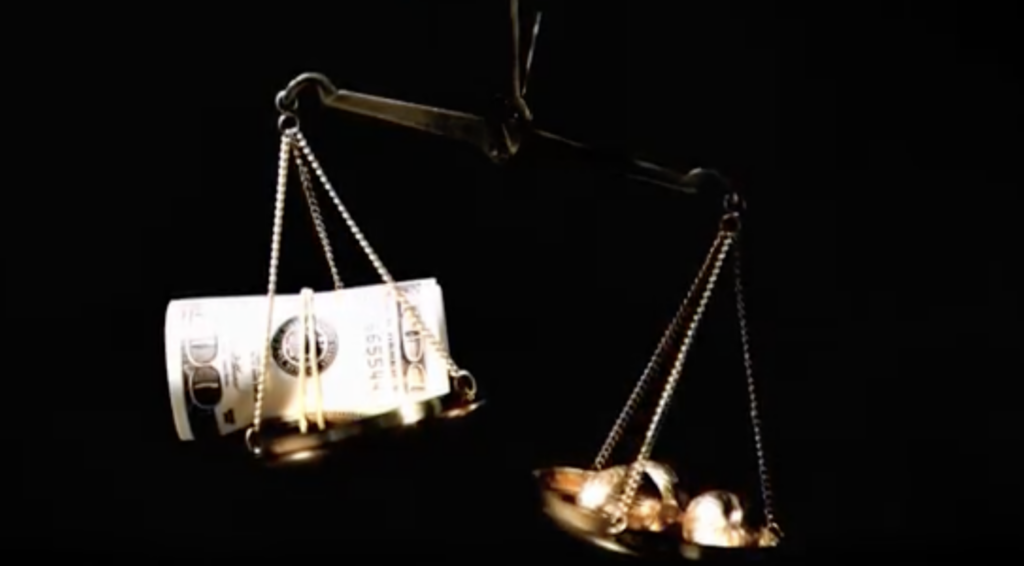
Fiat currency is money that has value because the government declares it so. It is not backed by a physical commodity like gold. Instead, its value depends on trust and stability within the economy.
Today, almost every major currency in the world is fiat based.
What is money really?
This raises a strange question. If money is not backed by anything physical, what gives it value?
Think about how we use money today. We rarely touch physical cash. We pay with cards, phones, and even watches. Money is becoming more digital and less physical.
If we already accept invisible money, does it really need to be tied to gold at all?
The answer lies in agreement. As long as people believe in its value, money works. It can take the form of a cow, a metal coin, a paper bill, or a digital number on a screen.
The idea behind money
Across thousands of years, money has changed shape many times. But its purpose has stayed surprisingly consistent. It exists because it makes trade easier.
At its core, money is not just objects or numbers. It is an idea. A shared belief that allows societies to function and grow.
And that leads to the final question.
If money started as an idea, how will it continue to evolve in the future?