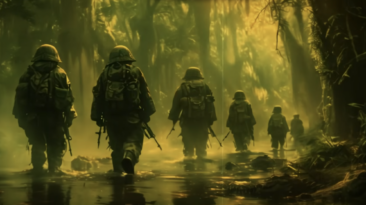
Gyorgy Dozsa was a soldier who became the leader of a massive peasant uprising in Hungary during the early 1500s. He had earned a reputation for bravery during wars against the Ottoman Empire, and when an army was formed to fight the Turks, thousands of peasants joined him.
But the campaign quickly turned into something very different.
The peasants became increasingly angry with the nobles who controlled their land and demanded their labor. Eventually, many refused to return to the fields and instead turned their weapons against the ruling class.
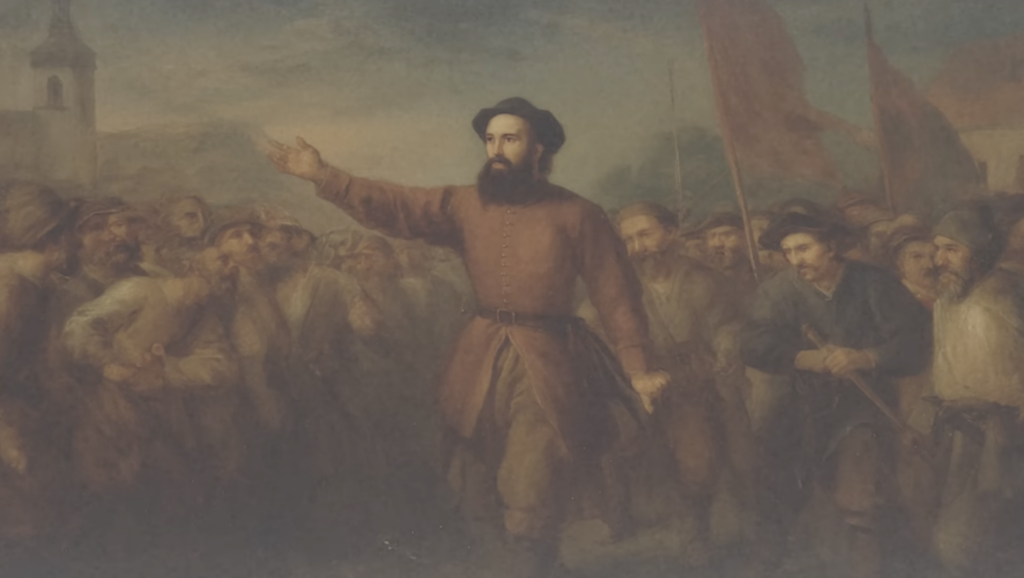
The rebellion spread rapidly. Castles and estates were attacked, homes were burned, and large numbers of nobles were killed. What had started as an army preparing for war had become a full scale uprising against Hungary’s ruling elite.
The authorities eventually managed to defeat the rebels.
For Dozsa, however, defeat was only the beginning of the nightmare.
He was captured and taken prisoner, and his enemies decided that an ordinary execution was not enough. Accounts of what happened afterward vary, especially because the events took place more than five centuries ago, but descriptions of his death agree that it was deliberately designed to be horrifying.
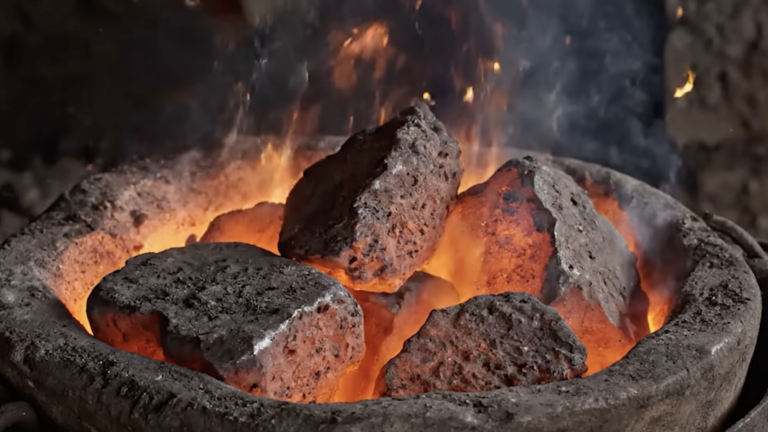
According to the most commonly repeated account, Dozsa was stripped and forced onto a metal throne that had been heated until it was glowing red.
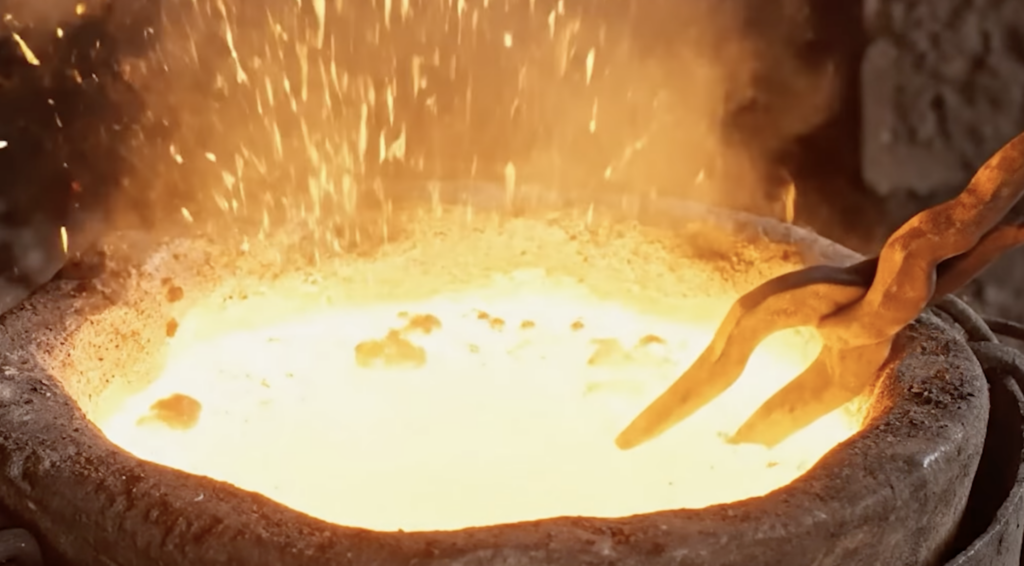
Iron begins to glow at extremely high temperatures, meaning the surface beneath him would have been unimaginably hot. The punishment was intended to make an example of the defeated rebel leader and terrify anyone who might consider following in his footsteps.
The execution reportedly went even further.
A heated iron crown was placed on Dozsa’s head, turning the punishment into a grotesque imitation of a coronation. His captors were effectively presenting him as a mock king before subjecting him to further torture.
But the most disturbing part of the story involved his fellow prisoners.
Other captured rebels had reportedly been starved and were then forced to eat pieces of Dozsa’s body. Some historical accounts claim they were ordered to bite into his flesh themselves, while other versions describe executioners cutting pieces from his body using heated tools.
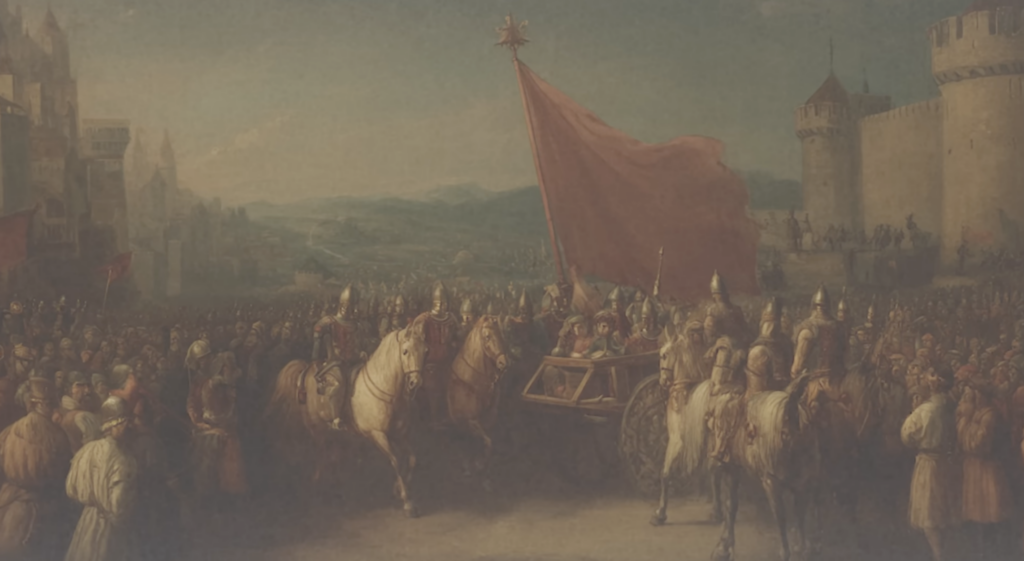
The exact details remain uncertain, and historians have questioned some of the more extreme elements of the traditional story. What is clear is that Dozsa was brutally executed after the rebellion was crushed, and his death became part of the legend surrounding the uprising.
The prisoners were given a horrifying choice. Those who refused to follow the order were reportedly killed, while those who obeyed were allowed to live.
Dozsa’s rebellion had failed, but the cruelty of his execution ensured that his name would survive for centuries. His death became a symbol of the brutal punishment that could follow a failed uprising during a period when political power was often enforced through extreme violence.