Alan Catterall arrived at work expecting another ordinary day at Pyranha Mouldings, a kayak manufacturing company in Cheshire, England. Instead, a routine cleaning task would end in one of the most horrific workplace accidents imaginable.
At 54 years old, Alan had already spent 12 years working for the company and had risen to the position of senior supervisor. His experience made the assignment seem straightforward: clean the industrial oven used to mold plastic into kayak components.
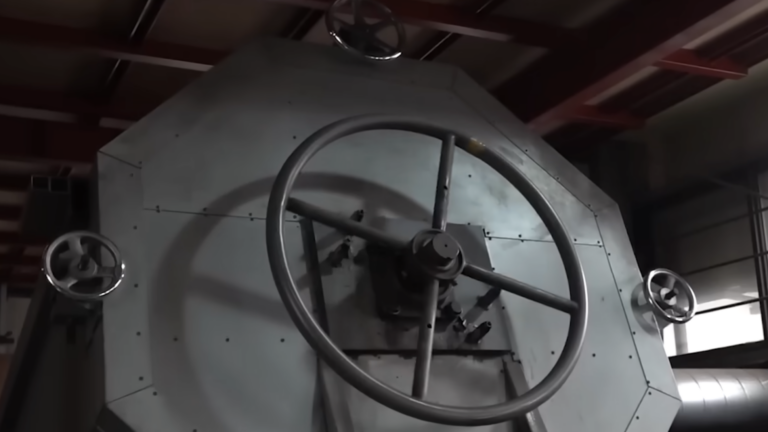
But this was not an ordinary oven.
The machine operated at temperatures reaching approximately 536 degrees Fahrenheit, or 280 degrees Celsius. Entering it required extreme caution because the equipment was capable of producing enough heat to cause fatal injuries within minutes.
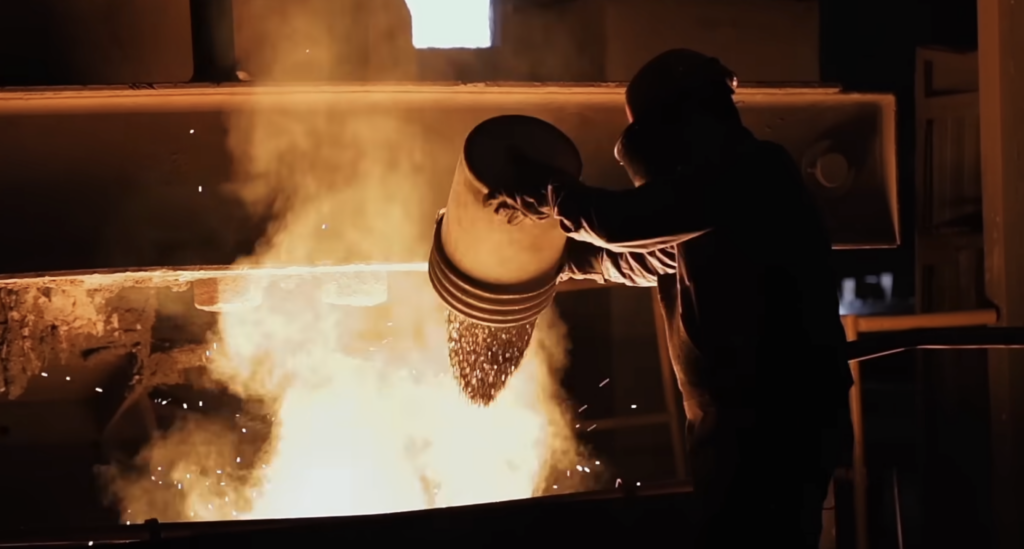
Alan climbed inside to carry out the cleaning work.
At the same time, his coworker Mark Francis was responsible for operating the oven. Mark was also preparing to propose to Alan’s daughter that same week, making the tragedy even more devastating for everyone involved.
Mark did not realize Alan was still inside.
He activated the oven.
The door automatically closed, trapping Alan inside the enormous heated chamber. As the temperature began rising, Alan desperately tried to attract attention. He screamed and repeatedly struck the door, hoping someone on the factory floor would hear him.
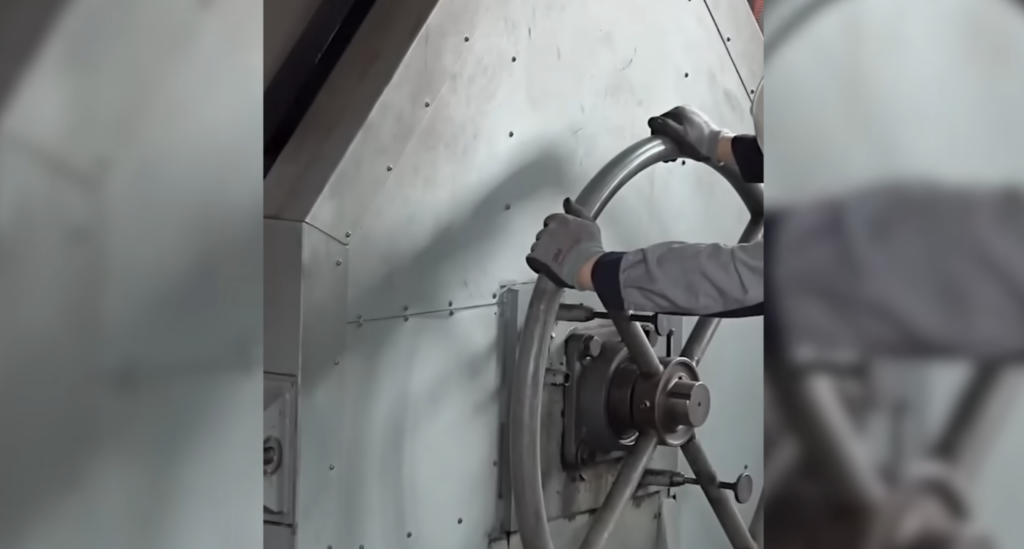
But the manufacturing facility was extremely noisy, making his cries difficult to detect. Then black smoke began pouring from the oven.
The smoke quickly alerted other workers that something was seriously wrong. Employees rushed toward the machine and opened the door, but by then Alan had suffered fatal burns. Investigators later discovered a crowbar inside the oven. It appeared Alan had attempted to use it to force his way out or attract attention by striking the door.
The tool would eventually have become dangerously hot as the temperature inside increased.
Investigators also found evidence suggesting Alan had desperately tried to escape by grabbing the door, leaving melted skin behind. The accident devastated Alan’s family. His wife, Pearl, also worked at the company and later criticized the circumstances that had allowed such a disaster to occur.
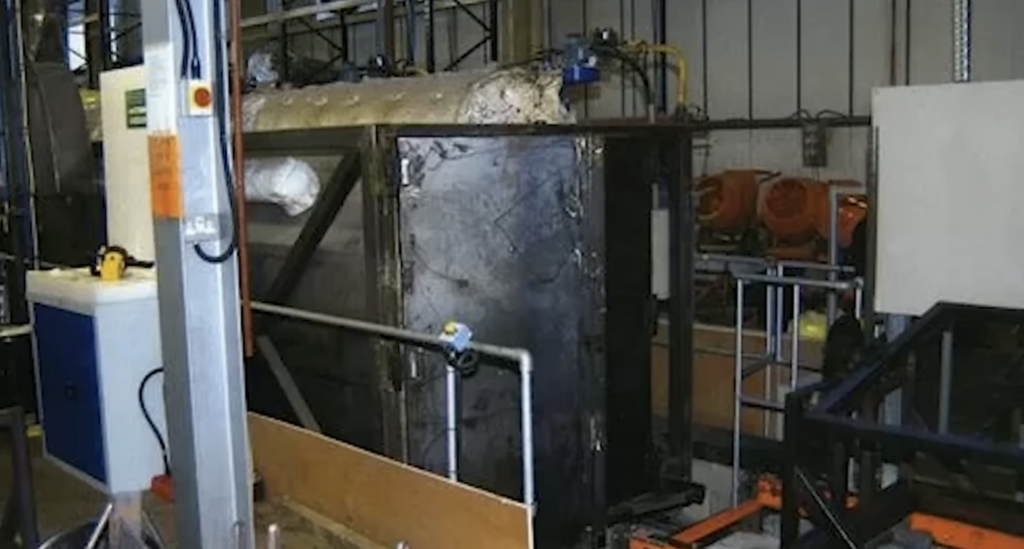
An investigation by Britain’s Health and Safety Executive uncovered serious problems with the oven’s safety procedures.
The doors were designed to close automatically whenever electrical power was restored. According to investigators, the factory had already been warned about this dangerous feature several times. That meant a worker could potentially be inside the oven when the electrical system was switched back on, creating an immediate risk of being trapped.
The case eventually reached court, with the oven’s designer and technical director, Peter Mackereth, facing charges related to breaches of health and safety legislation.
The company itself was also found guilty of corporate manslaughter and received a fine exceeding £200,000.
Investigators determined that workers had not received adequate training on how to safely operate and clean the industrial ovens. The accident demonstrated how dangerous that lack of preparation could become when combined with a machine capable of reaching extreme temperatures.
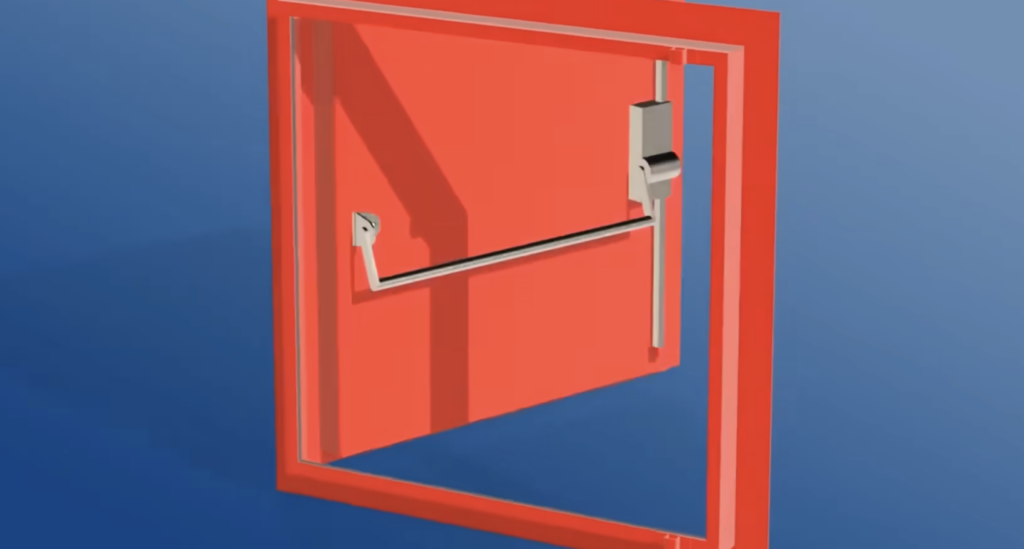
Following the tragedy, additional safety measures were introduced, including escape hatches designed to give workers another way out if they became trapped inside.
Alan’s death was not caused by some extraordinary mechanical failure that nobody could have anticipated. It resulted from a chain of failures involving communication, training, equipment design, and workplace safety procedures.
He entered the oven to perform a routine job that he had no reason to believe would be his last.
Within minutes, the same machine he had climbed inside to clean became a deadly trap.
The tragedy is a stark reminder that industrial equipment can become extraordinarily dangerous when basic safety protections are missing. A single overlooked hazard can turn an ordinary workplace task into a catastrophe before anyone has time to react.