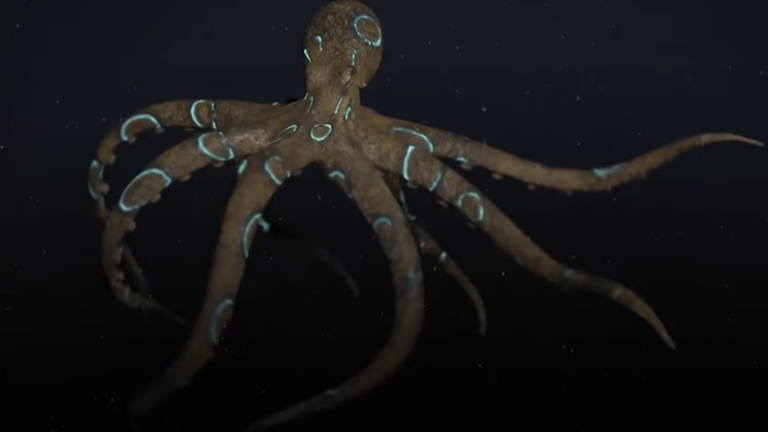
It looks more like a harmless sea creature than a deadly predator. Hidden among rocks, shells, and coral in shallow water, a blue ringed octopus can be almost impossible to spot. A person may swim right past it without ever realizing how close they came to danger.
The real trouble begins when someone touches it. Picking up a shell, moving a rock, or accidentally stepping on the animal can cause it to bite. The wound may appear minor, but the venom can begin affecting the nervous system within minutes.
So what should you do if you are bitten? Knowing how to recognize the warning signs and respond quickly could be the difference between a frightening encounter and a deadly emergency.
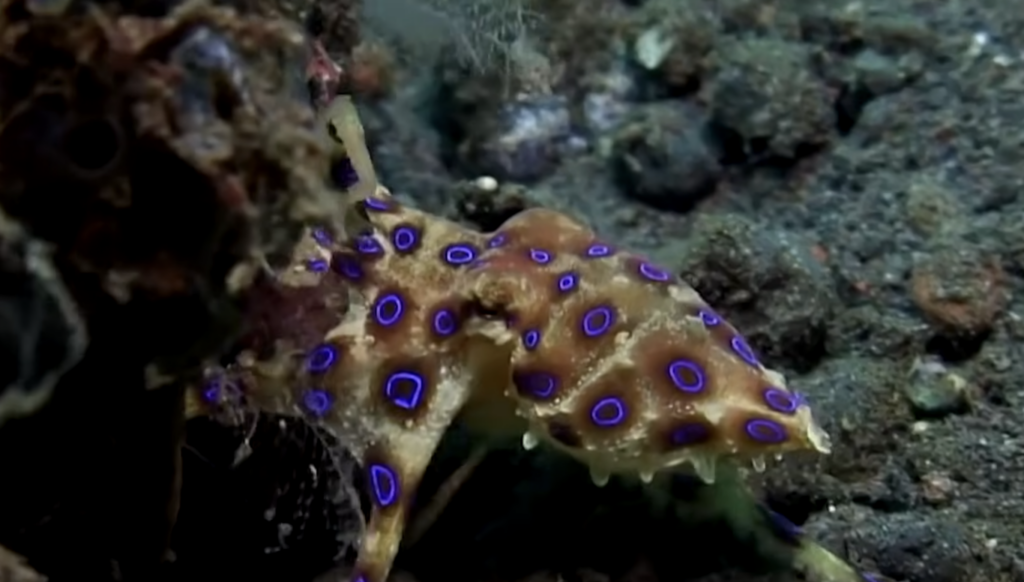
Blue ringed octopuses are commonly found around Australia and other parts of the Indo Pacific. They are tiny, usually measuring only a few centimeters, yet they carry tetrodotoxin, an extremely powerful poison that can cause paralysis and death.
There is no widely available antidote that can simply cancel the venom. Medical treatment instead focuses on keeping the victim alive while the toxin leaves the body.
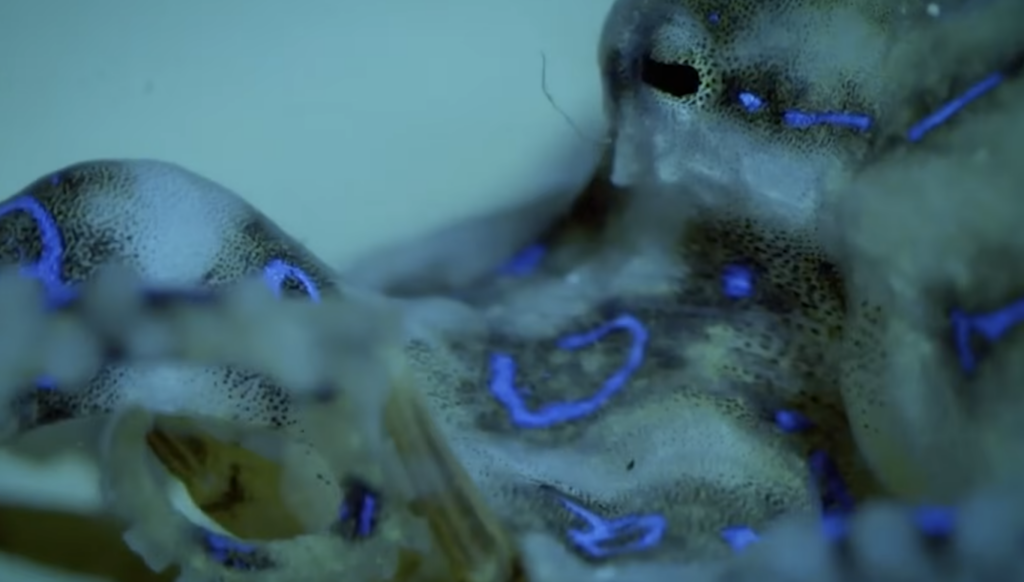
The octopus gets its name from the brilliant blue rings that appear when it feels threatened. When relaxed, these markings can be difficult to notice because the animal is extremely good at blending into its surroundings.
If those blue rings suddenly become visible, treat them as a warning. Do not move closer, touch the animal, or attempt to pick it up for a better look.
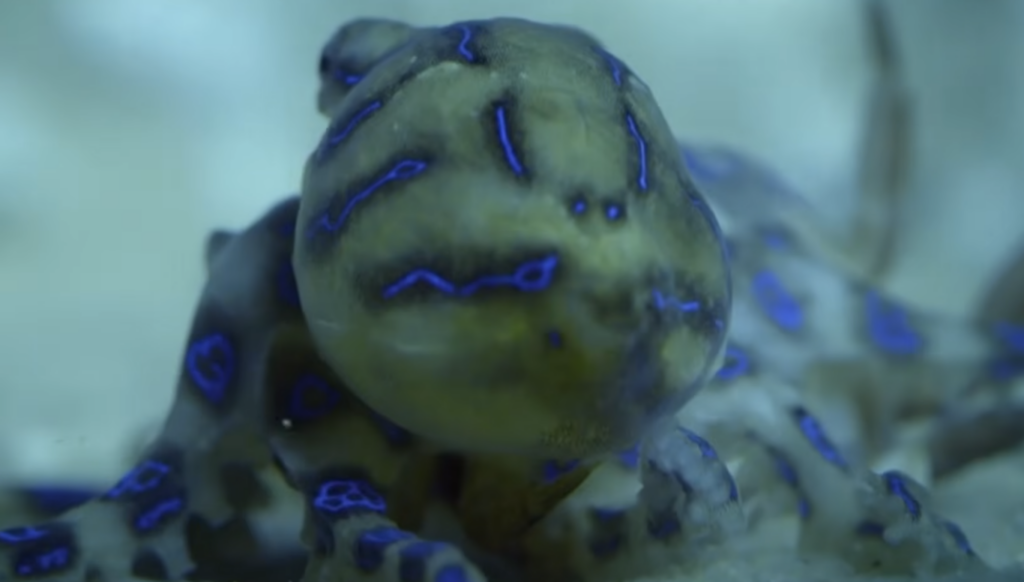
Most dangerous encounters happen because someone does not realize the animal is there. Blue ringed octopuses can hide beneath rocks, inside shells, or among debris in shallow water.
That is why you should never reach into holes or pick up unfamiliar objects from the seabed. Something that appears completely harmless could be hiding a venomous animal.
If you suspect a bite has occurred, contact emergency services immediately. Do not wait for severe symptoms before getting help, because the effects of the toxin can progress rapidly.
Early symptoms can include numbness, weakness, blurred vision, difficulty speaking, and problems controlling movement. The most serious danger comes when the venom affects the muscles responsible for breathing.
A victim can remain conscious while becoming unable to breathe normally. This makes immediate assistance extremely important, because the person may need breathing support until professional medical care is available.
If the victim stops breathing, begin CPR and follow the instructions provided by emergency responders. Keeping oxygen circulating until medical professionals arrive can be critical for survival.
Prevention is much easier than dealing with a bite. Wear suitable footwear when walking through shallow rocky water and keep your hands away from cracks, holes, shells, and anything else you cannot clearly identify.
Blue ringed octopuses are not naturally interested in hunting people. They usually bite when they are disturbed, handled, stepped on, or trapped. If you see one, simply move away and give it room.
The lesson is simple: never assume that a tiny marine animal is harmless. The blue ringed octopus may be beautiful and fascinating, but its venom can turn a harmless moment in the water into a life threatening emergency.
And it is not the only danger hiding beneath the surface. Other ocean creatures have their own defenses, from venomous spines to powerful tails capable of causing serious injuries.
When exploring unfamiliar coastal waters, keeping your distance from wildlife is one of the safest choices you can make. Sometimes the best way to survive an encounter is to make sure it never becomes an encounter at all.