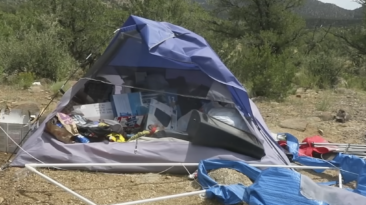
Niagara Falls is one of the most recognizable natural landmarks in North America, stretching along the border between Ontario, Canada, and New York State. The waterfall system is actually made up of three separate falls, together spanning about 1,204 m (3,950 ft).
But the incredible view hides a much more dangerous reality. Beneath the Canadian Horseshoe Falls, American Falls, and Bridal Veil Falls, enormous volumes of water rush through turbulent rapids at speeds reaching roughly 48 km/h (30 mph). Anyone swept into that water faces another threat even after surviving the initial drop.
Yet throughout history, a handful of people have somehow survived going over Niagara Falls. Some relied on specially designed equipment, while one remarkable survival may have depended partly on an unusual natural effect beneath the waterfall.

Number 3: Annie Taylor’s Barrel
On October 24, 1901, Annie Edson Taylor deliberately entered Niagara Falls inside a specially modified barrel. Her achievement was extraordinary for several reasons, including the fact that she was 63 years old and became the first person known to survive deliberately going over the Falls.
Taylor had carefully prepared her unusual craft. The barrel contained compressed air, while an anvil was included to help control its orientation during the descent. Her intention was to make the barrel enter the water with her feet pointing downward rather than allowing it to tumble unpredictably.
Additional protection came from cushions and a leather harness designed to reduce the force of the impact. Taylor was confident enough in her design that she had already conducted a test involving her cat several days before the attempt. The animal reportedly survived the experiment.
After disappearing over the Falls, Taylor spent approximately 17 minutes inside the barrel before reaching the shoreline. She was shaken and injured but alive. Her unusual design later influenced other daredevils who attempted similar stunts, although survival was far from guaranteed.
Number 2: The Plunge O Sphere
Six decades later, another person attempted to survive the Falls using a completely different invention. In 1961, Nathan Boya constructed a spherical steel vessel that he called the Plunge O Sphere, creating a protective capsule designed specifically for his journey over Niagara.
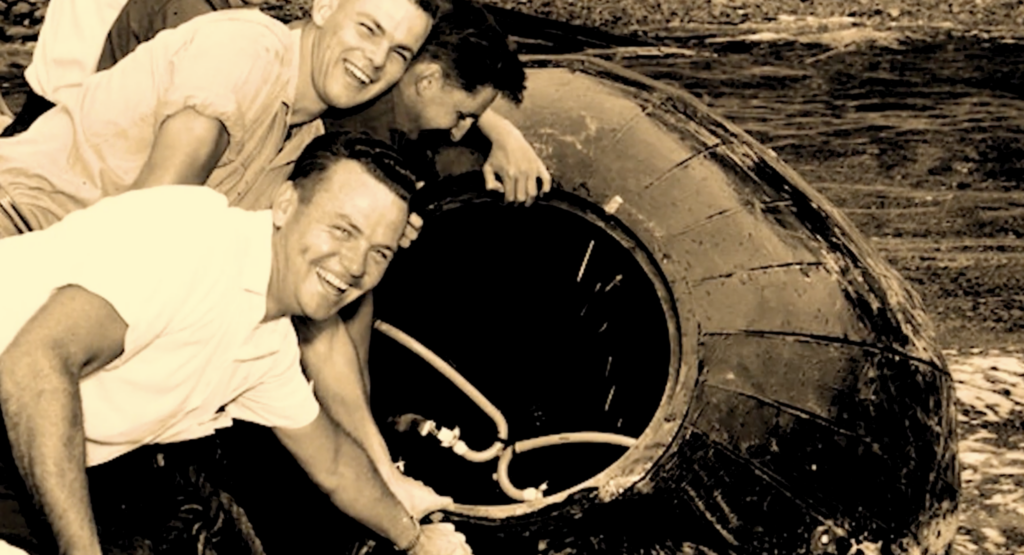
The sphere was surrounded by several layers made from rubber and metal, providing protection against the violent impact and turbulence. Boya also installed an air tank capable of supplying oxygen for as long as 30 hours, giving him considerably more breathing time than the stunt itself would require.
The landing still proved rough. The Plunge O Sphere struck rocks and suffered a noticeable dent, demonstrating just how much force was involved. Despite the damage to his protective capsule, Boya emerged without serious physical injury.
There was, however, another consequence waiting for him after the stunt. Authorities fined Boya $100, which would be worth more than $950 in modern money. Surviving the waterfall therefore did not mean escaping the consequences of attempting the stunt.
Number 1: The Seven Year Old Survivor
Perhaps the most remarkable Niagara Falls survival did not involve a professional daredevil or a specially engineered capsule. In 1960, seven year old Roger Woodward was taking a boat trip on the Niagara River with his 17 year old sister Deanne and family friend James Honeycutt.
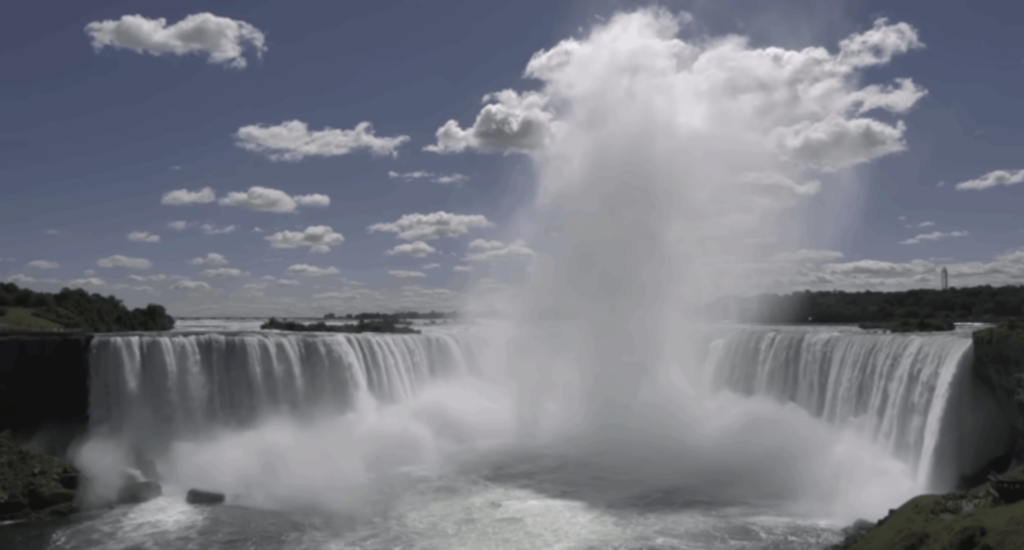
The peaceful outing changed when the boat struck something beneath the surface and its engine stopped working. Without the motor, the current began carrying the small vessel toward increasingly violent water and eventually toward the Horseshoe Falls.
The situation deteriorated rapidly. The boat overturned, throwing all three people into the river. Roger and Deanne had managed to put on life jackets, but Honeycutt entered the water without one.
Deanne was fortunate enough to be reached by two people on the shoreline who managed to pull her from the river. Roger and Honeycutt, however, were swept toward the Falls together. Both went over the edge, but only the young boy survived.
Roger later described the experience in surprisingly peaceful terms, recalling the sensation of going over the edge as resembling floating through clouds. His survival has fascinated Niagara historians for decades because a young child had somehow endured a plunge that would normally be considered unsurvivable.
Niagara Falls historian Paul Gromosiak has suggested that a natural phenomenon called a water cone may have played a role. These formations can occur when air trapped beneath the falling water is forced upward, potentially creating an area where water behaves differently from the surrounding torrent.
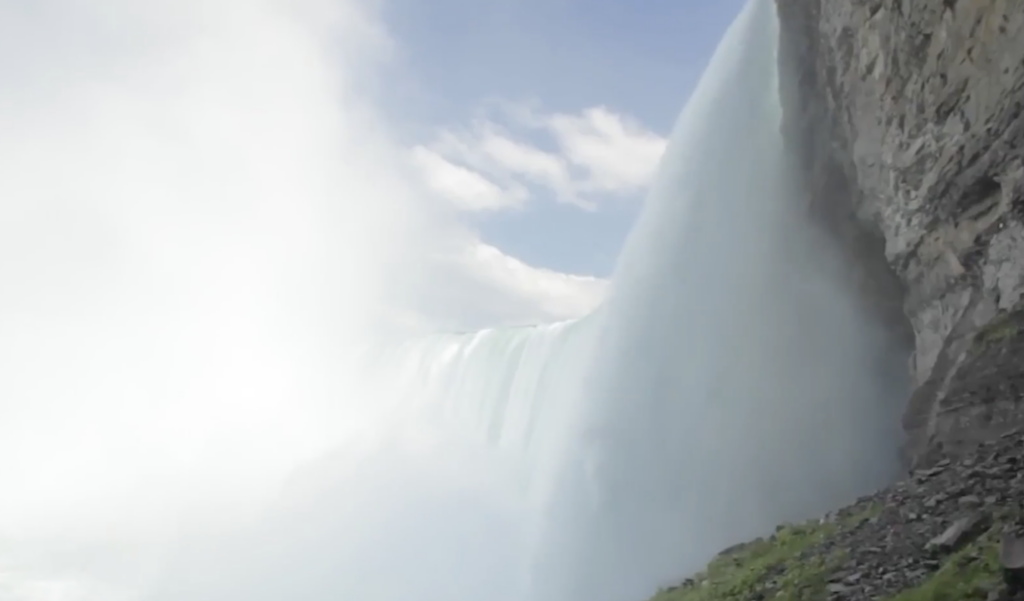
Gromosiak compared the effect to a hand reaching upward through the water. It may have helped keep Woodward from immediately drowning and contributed to the opportunity for rescuers aboard the Maid of the Mist to reach him. When he was recovered, he had suffered only relatively minor injuries such as cuts and bruises.
Surviving a trip over Niagara Falls remains extraordinarily dangerous, regardless of whether someone uses equipment or is swept over accidentally. Deliberately going over the Falls is also illegal, making the stories of those who survived even more remarkable as historical events.
For everyone else, Niagara is best experienced from a safe viewing area rather than from inside a barrel, steel sphere, or boat headed toward the edge. The Falls offer more than enough excitement without taking the same risks as the people who deliberately challenged them.