Picture getting into your car and setting off on a journey that circles the entire planet without ever leaving a single highway. It sounds like science fiction, but what if engineers built a 40,000 km (25,000 mi) road that followed Earth’s equator? Such a project would become the longest highway ever constructed and completely redefine long distance travel.
The idea raises plenty of questions. Could a road this massive actually be built? What would the trip look like? And would the environmental cost outweigh the benefits?
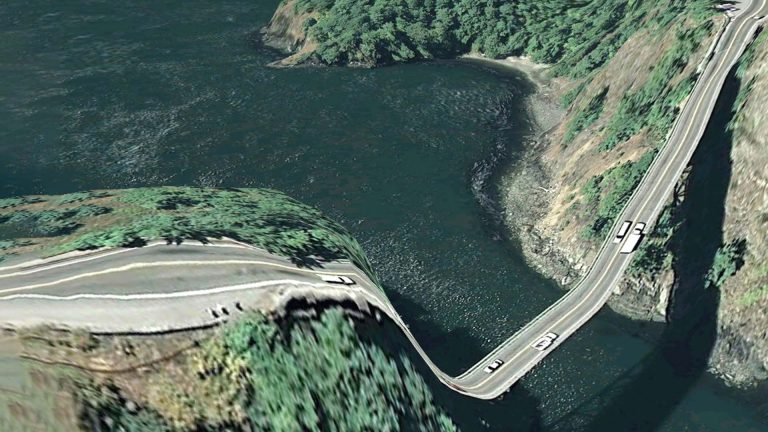
Earth already has around 64 million km (40 million mi) of roads connecting cities and countries, yet no continuous highway links the continents together. A road following the equator would change that by connecting parts of South America, Africa, and Southeast Asia into one enormous transportation route.
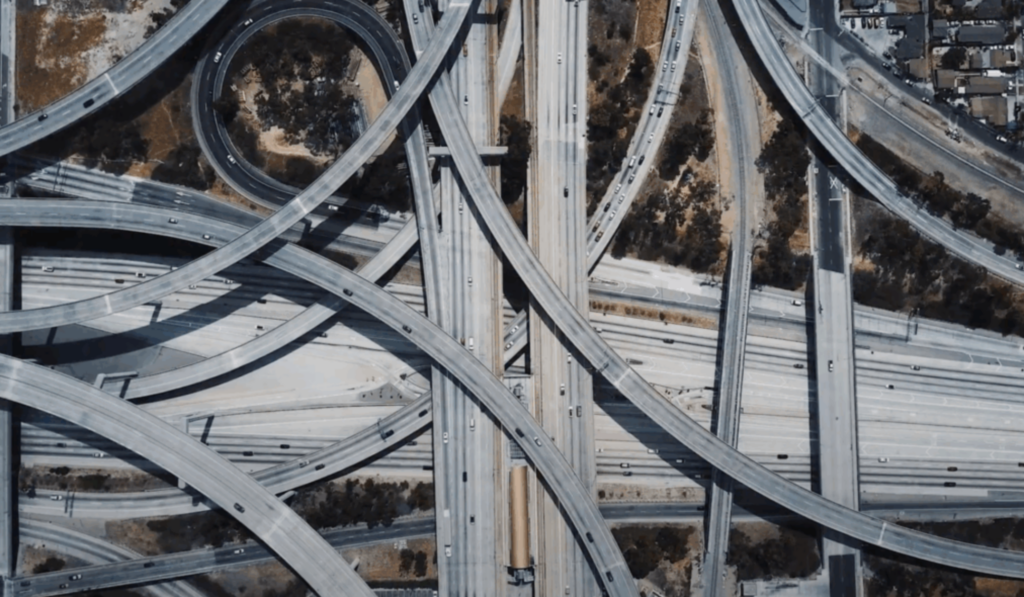
Existing highways could then extend the journey even farther, making it theoretically possible to drive across much of the world.
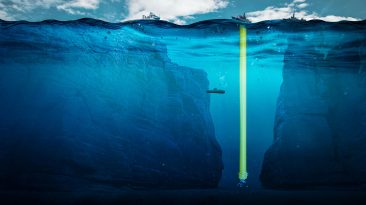
Building such a road would be one of the greatest engineering projects in history. Because the equator crosses three major oceans, thousands of kilometers of the highway would have to run through underwater tunnels. Those tunnels alone would surpass anything humanity has ever attempted.
A typical highway may take between five and ten years to complete, but a global highway would require construction crews working simultaneously across dozens of locations. Experts estimate that roughly 8 million skilled workers would be needed, with the total price reaching an astonishing $9.2 trillion.
If construction were somehow completed, the drive would be unlike any road trip in history.
Starting in Ecuador, travelers would head east through Colombia before crossing Brazil. The route would pass towering mountains, tropical forests, and the mighty Amazon River while remaining in a warm equatorial climate for most of the journey.
Despite its fearsome reputation, the Amazon is not quite as dangerous as popular myths suggest. Piranhas are often portrayed as relentless predators, but they are generally scavengers that rarely threaten humans under normal conditions.
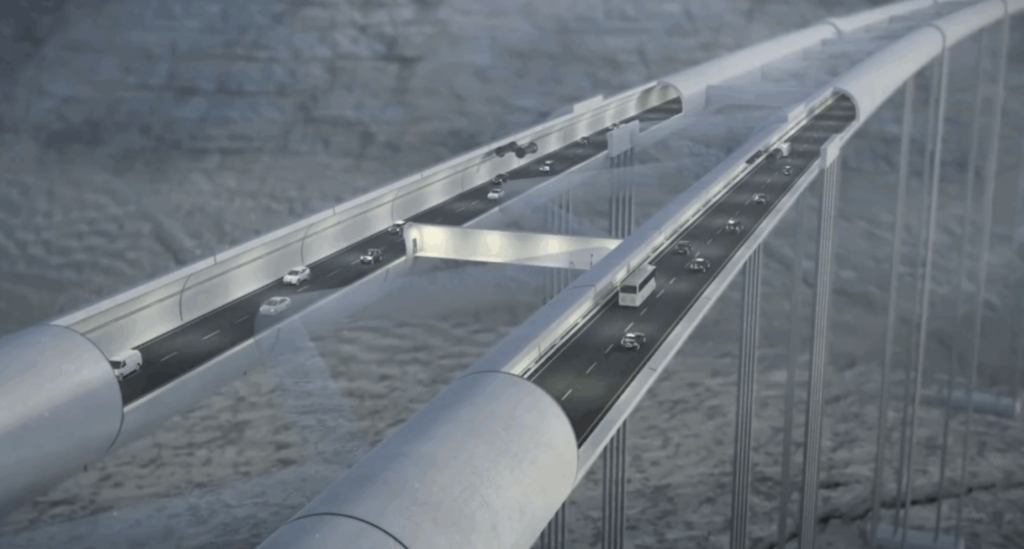
Eventually, the road would leave South America and enter the first enormous underwater section beneath the Atlantic Ocean. Days could pass before drivers reached dry land again, making this one of the longest tunnel journeys ever imagined. Engineers might even include reinforced observation windows in certain sections, offering breathtaking views beneath the sea.
The highway would emerge in Africa, where the scenery would change dramatically. Dense rainforests would give way to vast savannas and dry landscapes as the route crossed countries near the equator. Wildlife including elephants, gorillas, buffalo, and leopards could be seen along portions of the journey, creating one of the most diverse road trips on Earth.
The next major challenge would be another underwater crossing beneath the Indian Ocean. After resurfacing, drivers would enter Indonesia, a nation made up of more than 17,000 islands. Here the highway would alternate between land bridges and shorter underwater tunnels, carrying travelers through volcanic landscapes, lush rainforests, rice terraces, and tropical coastlines.
One final obstacle would remain. The Pacific Ocean is by far the widest stretch along the equator, requiring the longest underwater tunnel of the entire project. After spending days beneath the ocean, drivers would finally approach one of the route’s greatest highlights, the Galapagos Islands, famous for their extraordinary wildlife and their role in shaping our understanding of evolution.
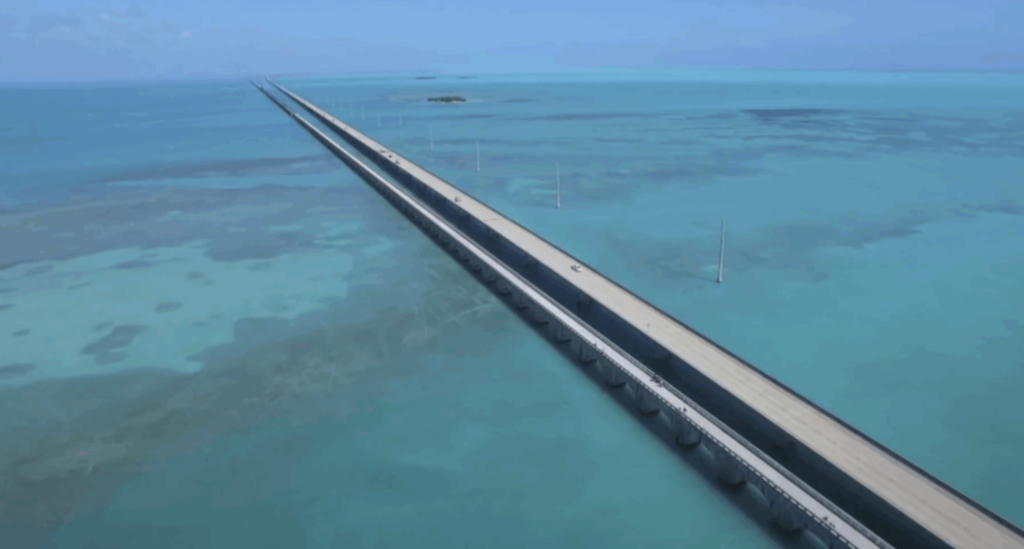
The last section would return to Ecuador, completing a full loop around the planet.
At a steady speed of 100 km/h (62 mph), the nonstop drive would take about 400 hours, or roughly 17 days behind the wheel. Realistically, once fuel stops, meals, overnight breaks, and sightseeing were included, the complete adventure would likely stretch to two months or more.
As exciting as this vision may sound, the environmental consequences would be enormous. Constructing tunnels beneath the oceans and highways through sensitive ecosystems would disturb habitats across several continents. The emissions produced during such an epic drive would also be significant, with a single vehicle generating nearly twice the carbon dioxide emitted during an average year of driving.
For now, a highway circling the equator remains an ambitious thought experiment rather than an engineering plan. The technology and financial investment required are difficult to imagine today. Still, the concept offers a fascinating glimpse into how transportation could evolve in the distant future, even if tomorrow’s travelers end up relying on entirely different technologies instead of roads.