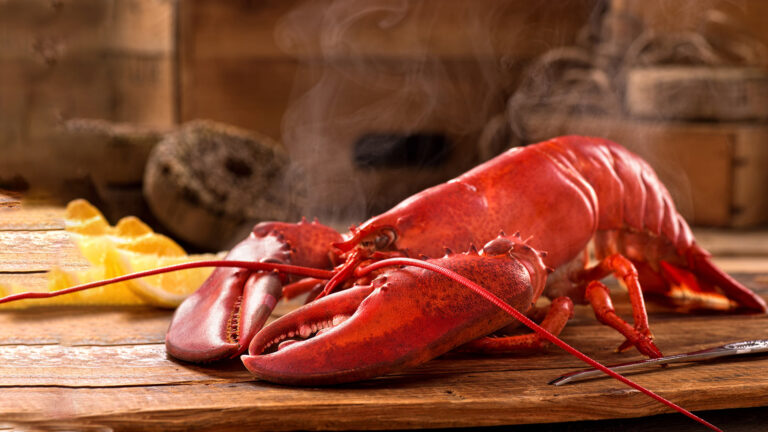
Nothing says luxury quite like ordering lobster.
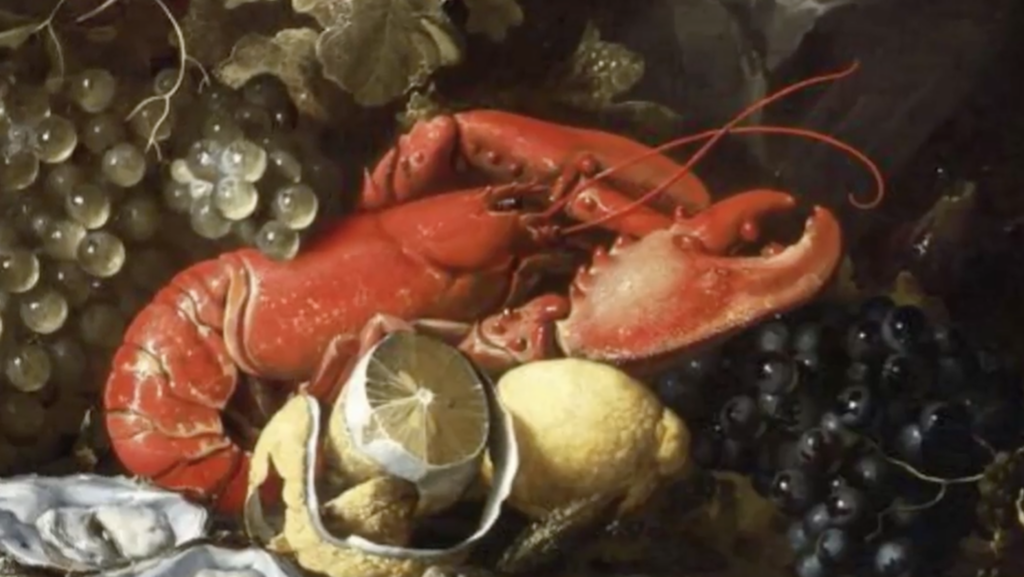
Today, it shows up on high end restaurant menus, drenched in butter, served like a symbol of wealth. It is expensive, exclusive, and often treated as a special occasion food.
But that was not always the case. In fact, for most of history, lobster was the exact opposite of luxury. It was considered cheap. Extremely cheap. The kind of food people avoided when they had better options.
So how did a “poor man’s meal” become one of the most expensive dishes in the world?
The answer is a mix of abundance, perception, and time.
From Shoreline Snack to Survival Food
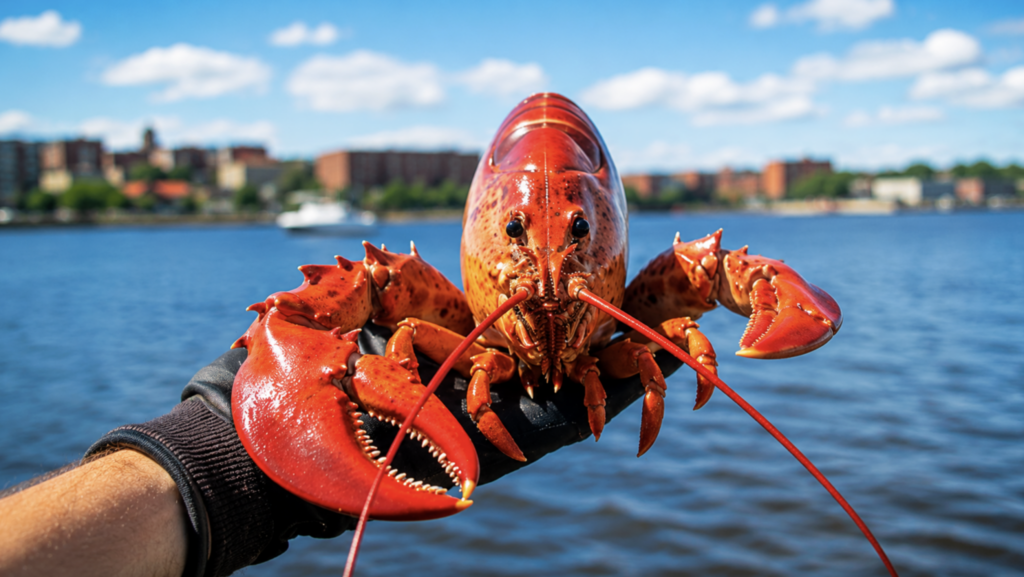
In North America, lobster was first eaten by Indigenous communities who collected them easily along the coast. They were so abundant that they would literally wash up in large numbers.
Early European settlers arriving in North America were shocked by how many lobsters there were. Historical accounts describe piles of lobsters along the shore, sometimes stacked so high they became impossible to ignore.
At one point, lobsters were even used as fertilizer or fed to prisoners and servants. Eating them regularly was considered a punishment rather than a privilege.
They were cheap, common, and everywhere.
The Problem With Too Much Lobster
When something is abundant, it loses value.
Lobster became known as “poor man’s food” simply because there was too much of it. It was not rare, and it was not special. It was survival food.
But then things started to change.
Canning Changes Everything
In the mid 1800s, lobster began to be canned and shipped across greater distances. This was a turning point. Suddenly, it was no longer just a coastal food.
Demand increased, supply began to shift, and lobster started to gain a new reputation. It was no longer just something you ate because you had to. It was becoming something you chose to eat.
By the time of World War II, lobster was already being treated as a luxury item in many places. It had officially begun its transformation.
The Luxury We Know Today
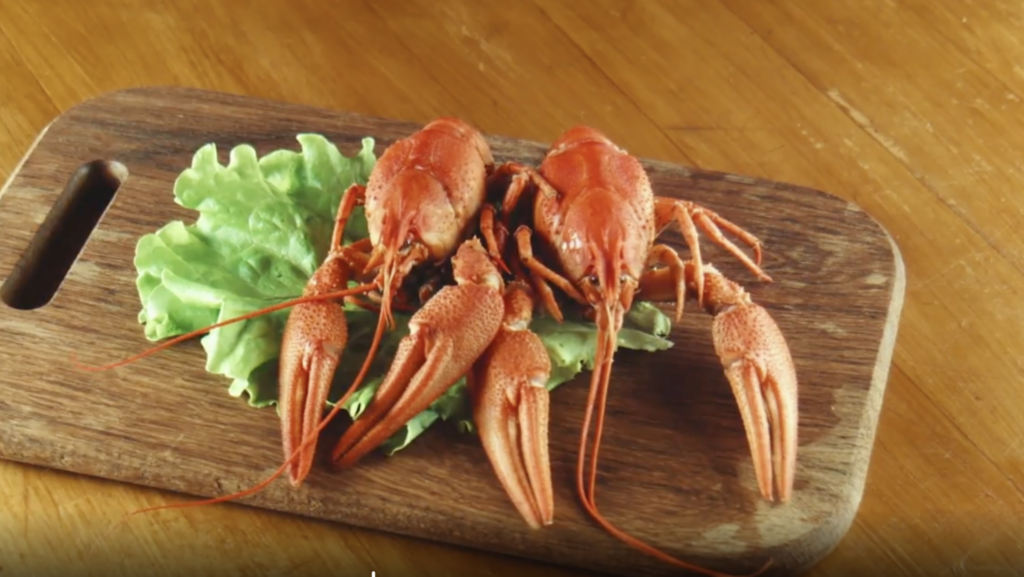
Modern lobster is now associated with fine dining and celebration. A large part of its value comes from how it is harvested, stored, and prepared.
Cooking lobster is also part of the reason it feels so exclusive. It must be prepared carefully and quickly after being caught, often requiring live cooking to maintain freshness and safety standards.
The meat itself is surprisingly light, lower in calories than many meats, but rich in texture and flavor. It is firm yet tender, with a naturally sweet and slightly salty taste that many people consider unique.
From Abundance to Rarity
So what really changed?
Lobster did not become better. It became less available and more desirable. As demand grew and wild supply became harder to sustain, prices rose.
What was once food for the poor became a symbol of wealth simply because it stopped being everywhere.
And that is how lobster went from washing up on shore in piles… to sitting on plates with five star price tags.
Funny how value works.