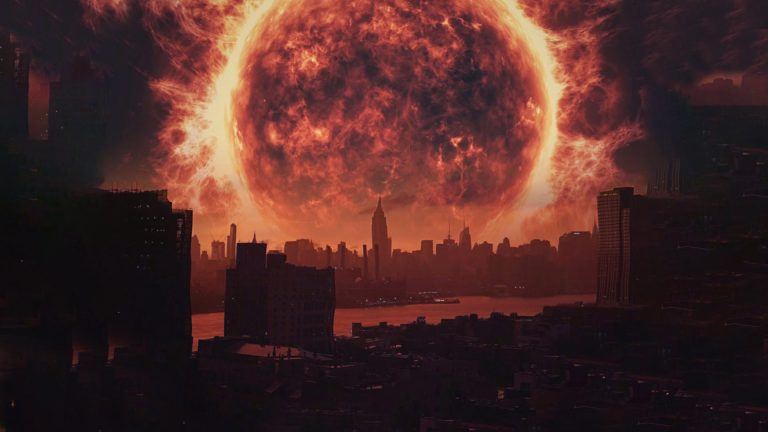
The Sun is the engine of life on Earth. It provides heat, light, and the energy that drives every ecosystem on the planet. Without it, our world would instantly become dark and lifeless. But what would actually happen if this massive star suddenly exploded?
First, it is important to understand what the Sun really is. It is a giant sphere of superheated plasma located at the center of our Solar System, and it is already around 10 billion years old. Scientists estimate it still has roughly 5 billion years before it naturally enters its final stages of evolution.
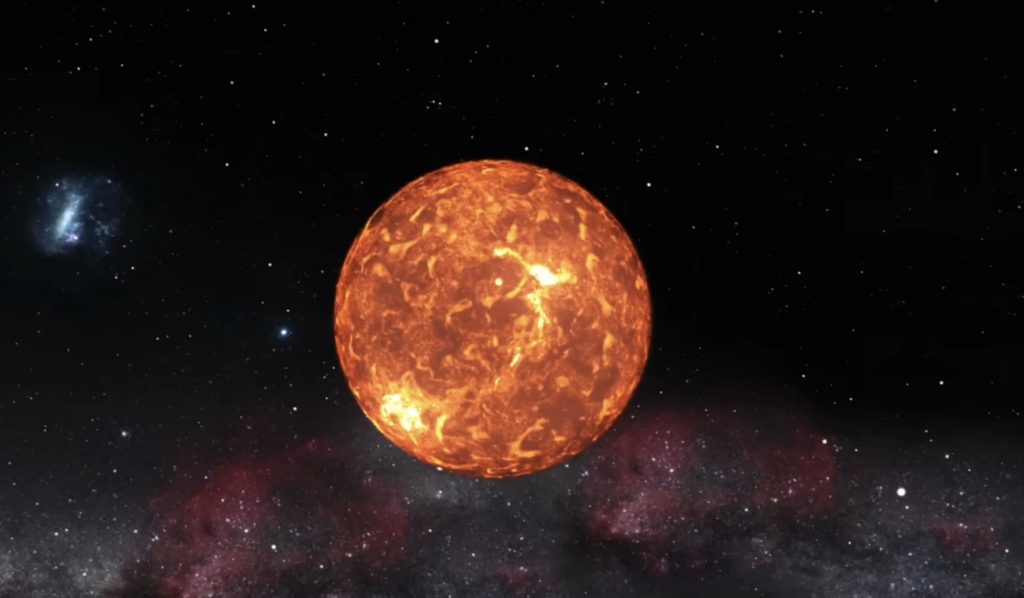
Eventually, the Sun will expand into a red giant, engulfing nearby planets, before collapsing into a white dwarf that slowly cools over billions of years. But that is a slow cosmic process. A sudden explosion is something entirely different.
If the Sun were to explode tomorrow, the effects would not be immediate in the way many people imagine. Because the Sun is about 150 million kilometers away from Earth, light and any information from that event would take around 8 minutes to reach us. For those first 8 minutes, humanity would not even know what had happened.
After that delay, the consequences would begin rapidly.
The side of Earth facing the Sun would be instantly exposed to extreme radiation and heat. Much of the surface would begin to boil and disintegrate under the sudden energy release. The opposite side would not be spared either, as the planet would experience a massive thermal shockwave and global atmospheric collapse.
Temperatures would spike dramatically, far beyond anything life could withstand. The protective balance that keeps Earth habitable would be destroyed almost instantly.
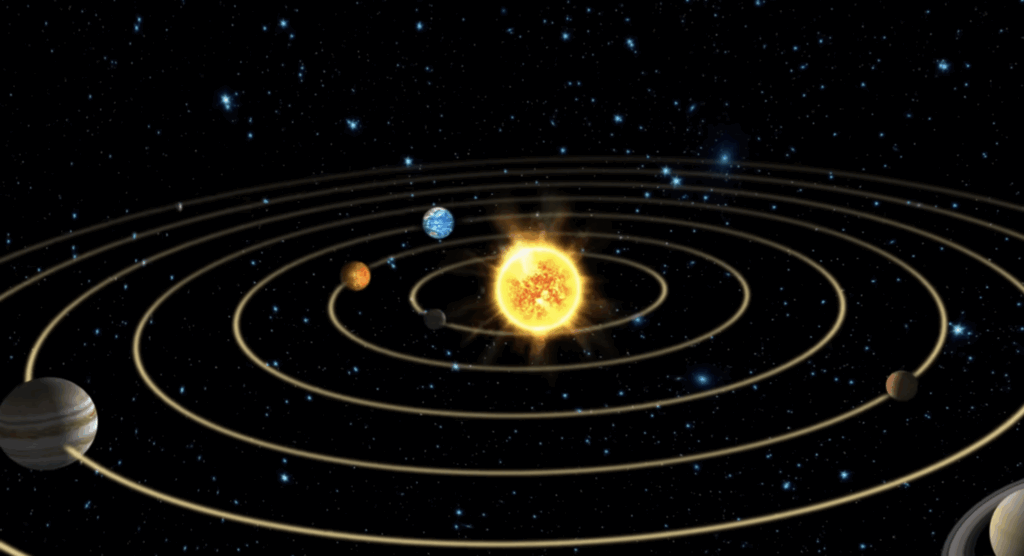
At the same time, Earth would lose the gravitational pull of the Sun. Without it, our planet would no longer remain in a stable orbit. Instead, it would begin drifting through space as a rogue planet, no longer anchored to any star.
In theory, Earth could eventually be captured by another star system, but that process would take millions of years. By then, any form of human civilization would almost certainly be gone.
If humanity somehow knew in advance that the Sun would explode, survival would depend entirely on preparation.
One possible option would be moving underground. Just a few meters below the surface, Earth maintains a relatively stable temperature due to geothermal energy. Deep subterranean habitats could offer temporary protection from surface destruction.
With enough technology and resources, humans could potentially survive in underground cities for hundreds or even up to a thousand years after the Sun’s collapse. However, conditions on the surface would deteriorate quickly.
Within days, global temperatures would plunge below freezing. Within a year, oceans would begin freezing from the top down. Over longer periods, the atmosphere itself could begin to collapse and solidify, exposing the surface to cosmic radiation.
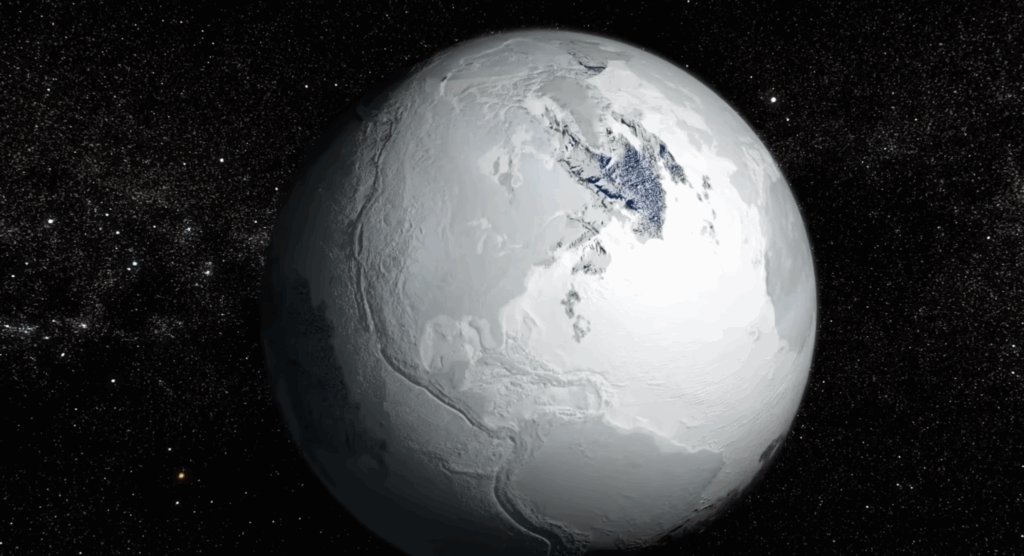
Even in the best case scenario, long term survival on Earth would be impossible without a star to provide energy.
Ultimately, if the Sun were to explode, the timeline of human survival would be extremely short in cosmic terms. Surface life would end almost immediately, and even protected underground civilizations would face a slow decline unless they found a new home beyond Earth.
The Sun’s actual death, however, will not happen suddenly. It will unfold over billions of years, giving future civilizations far more time to adapt or leave the Solar System entirely.
In the end, the question is not just how long humans would survive if the Sun exploded, but whether we would ever be ready for a universe without it.