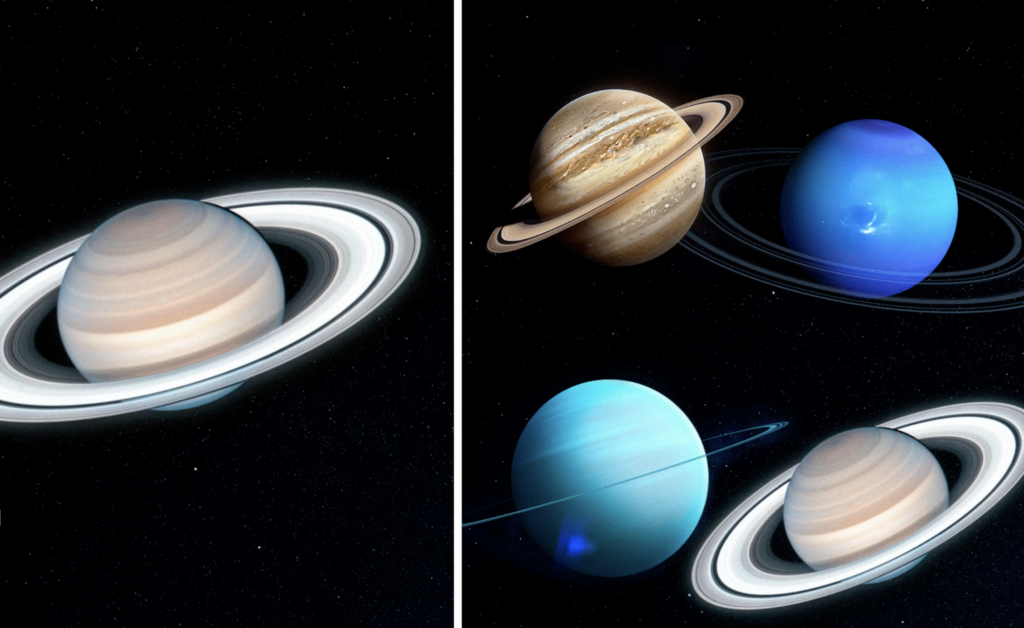
1. Saturn is the only ringed planet in the Solar System
Many people think Saturn is the only planet with rings, but that is not true. Jupiter, Uranus, and Neptune also have ring systems. Their rings are much thinner and far less visible, which is why they were not discovered until spacecraft like Voyager 1 and Voyager 2 passed by them in the late twentieth century.
Some scientists even suggest that Earth may have briefly had rings billions of years ago after a massive impact event that ejected debris into orbit.
2. Black holes suck everything in
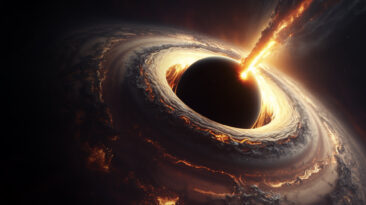
A common belief is that black holes act like cosmic vacuum cleaners. In reality, they do not pull everything in from far away. If our Sun were replaced with a black hole of the same mass, Earth would continue orbiting normally.
Black holes only become dangerous when something gets very close to them, where extreme gravity can stretch objects in a process sometimes described as spaghettification.
3. The Moon has a dark side
The Moon does not actually have a permanent dark side. Every part of the Moon receives sunlight at different times. The confusion comes from the fact that the Moon is tidally locked with Earth, meaning the same side always faces us. The far side is not dark, it simply faces away from Earth and receives the same amount of sunlight over time.
4. Nuking an asteroid is a great idea
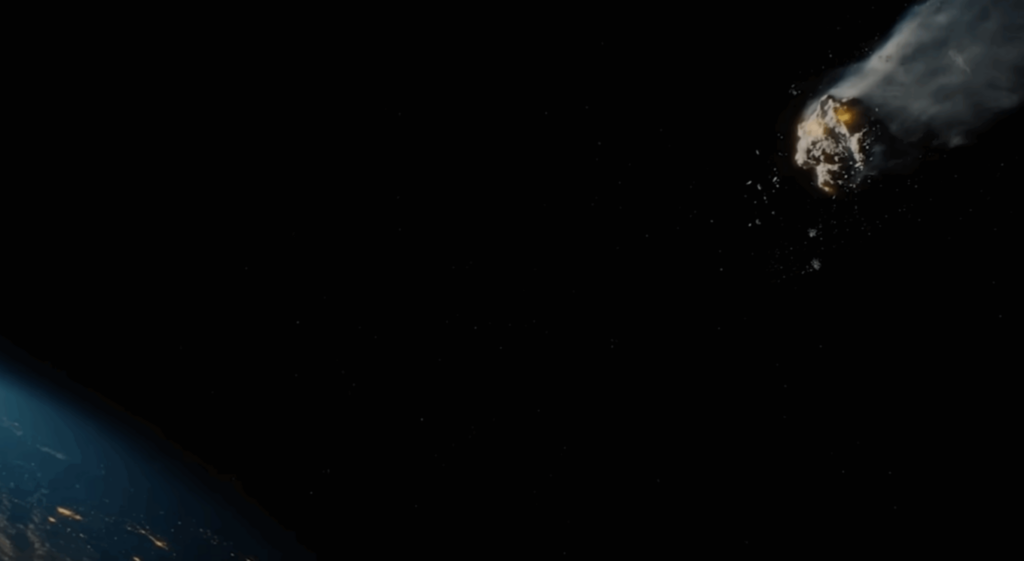
It may sound like a good science fiction solution, but destroying an asteroid with a nuclear explosion could create more problems. Breaking it apart could turn one large impact into multiple dangerous fragments. A safer idea is using a nuclear device near the asteroid to gently change its course rather than destroy it. This would push it away from Earth instead of scattering it.
5. You can see stars from the Moon
People often imagine the Moon has a perfect view of the stars, but astronauts report that stars are surprisingly difficult to see from its surface. The bright lunar environment makes faint stars harder to notice, similar to how city lights make it harder to see stars on Earth. To get a truly clear view of deep space, you would need to travel much farther away.
6. You grow taller in space
Astronauts do become slightly taller in space, sometimes by up to five centimeters, but this is temporary. Without Earth’s gravity compressing the spine, the vertebrae expand slightly. Once astronauts return to Earth, their height returns to normal as gravity compresses the spine again.
7. You age slower in space
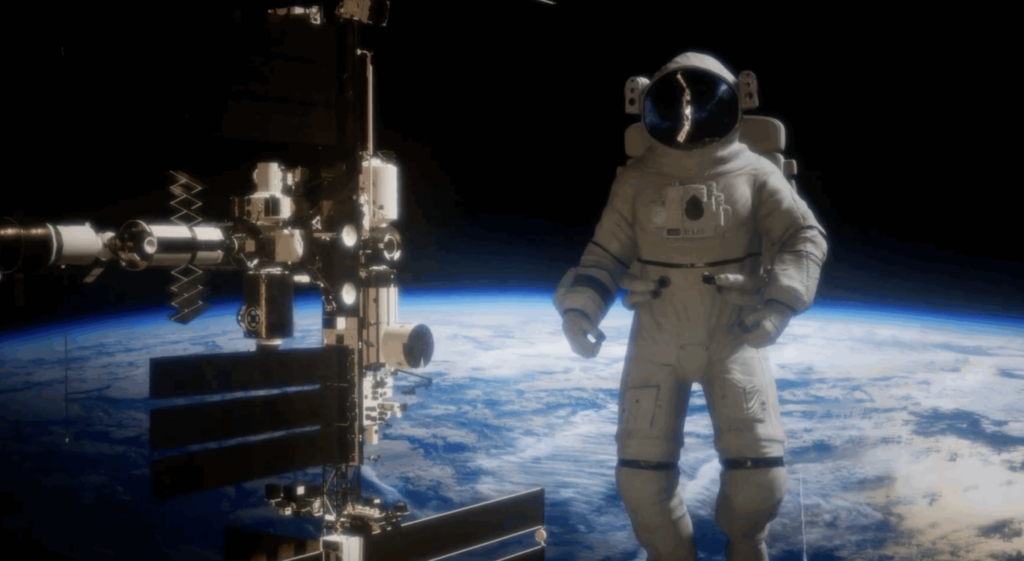
Time does pass differently depending on speed and gravity, a concept known as time dilation. However, the difference experienced by astronauts is extremely small because they do not travel fast enough for noticeable effects. Any change in aging during space missions is so tiny that it has no practical impact on human life.
8. You cannot cry in space
People can cry in space, but it does not work the same way. Without gravity, tears do not fall down the face. Instead, they form floating liquid blobs that can stick to the eyes. This can actually make it harder to see clearly, which is why crying in space is not very comfortable.
9. Martian dust storms destroy equipment
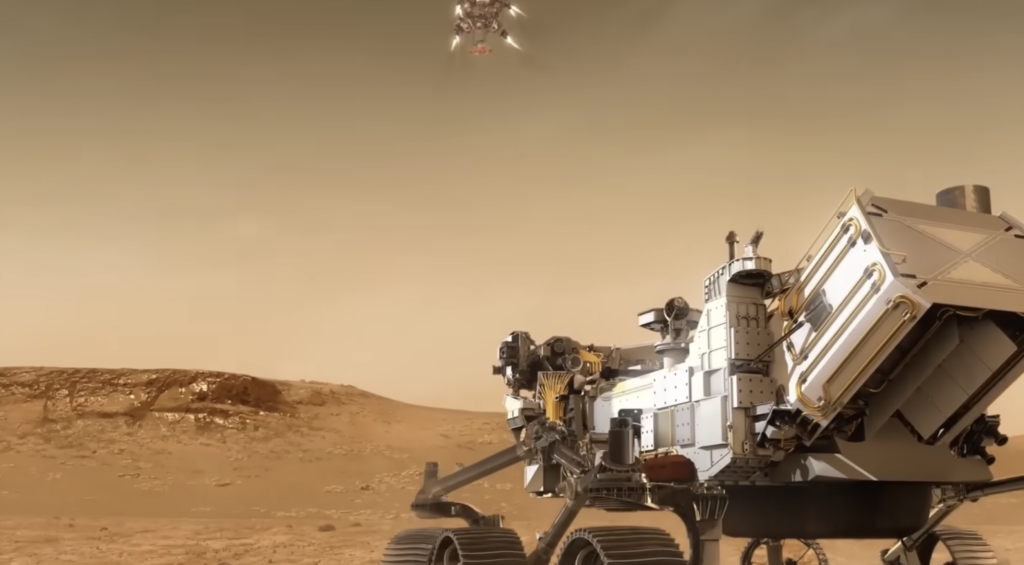
Mars is known for massive dust storms that can last for long periods, but they are not as physically destructive as many people think. The Martian atmosphere is extremely thin, so even strong winds do not hit with much force. However, the dust can still cause problems by covering solar panels and reducing power, which can put robotic missions into low power modes.
10. Stars twinkle
Stars do not actually twinkle in space. The effect we see from Earth is caused by our atmosphere. Air currents and gas molecules bend and distort starlight as it travels to our eyes, making stars appear to flicker. In reality, stars shine with a steady light.
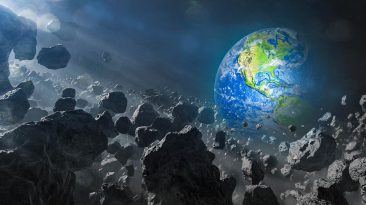
11. The asteroid belt is full of asteroids
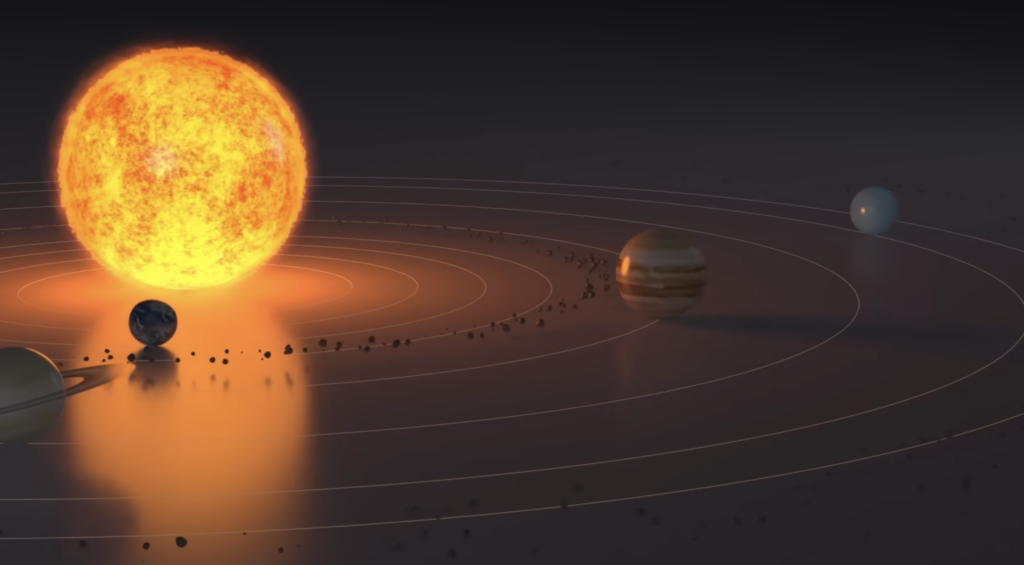
The asteroid belt is often shown as a crowded field of rocks, but it is mostly empty space. Asteroids are spread extremely far apart, often millions of kilometers from each other. Spacecraft can travel through the belt without needing to dodge objects.
12. The Great Wall of China is visible from space
It is a popular claim that the Great Wall of China can be seen from space, but this is false. The wall is too narrow and blends into the surrounding landscape. While some large human structures and city lights are visible from orbit, the Great Wall is not easily seen with the naked eye from space.