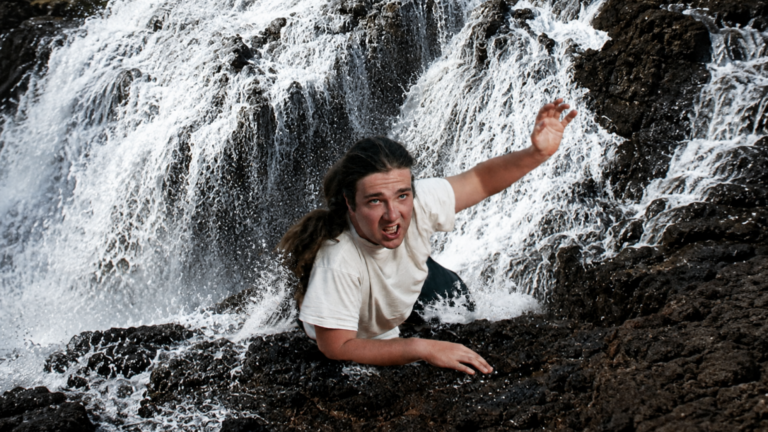
The roar of crashing waves echoes around you as you step closer to the edge of a rocky coastline. Suddenly, a massive surge of water erupts beneath your feet. In an instant, you’re thrown off balance, slammed against jagged rocks, and dragged into a narrow sea cave. You struggle to breathe as powerful currents pull you underwater.
This is the terrifying danger of a coastal blowhole, one of nature’s most spectacular yet deadly formations. While they attract thousands of visitors every year, getting too close can quickly turn a sightseeing trip into a life threatening emergency.
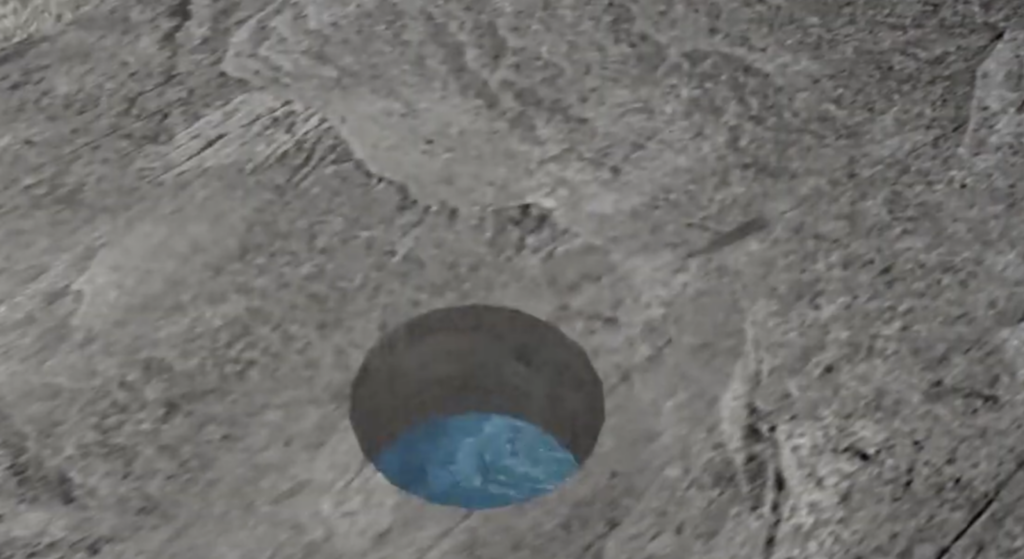
A blowhole forms when relentless ocean waves carve out a cave beneath a rocky shoreline. Over time, the cave erodes upward until it breaks through the surface, creating a vertical opening.
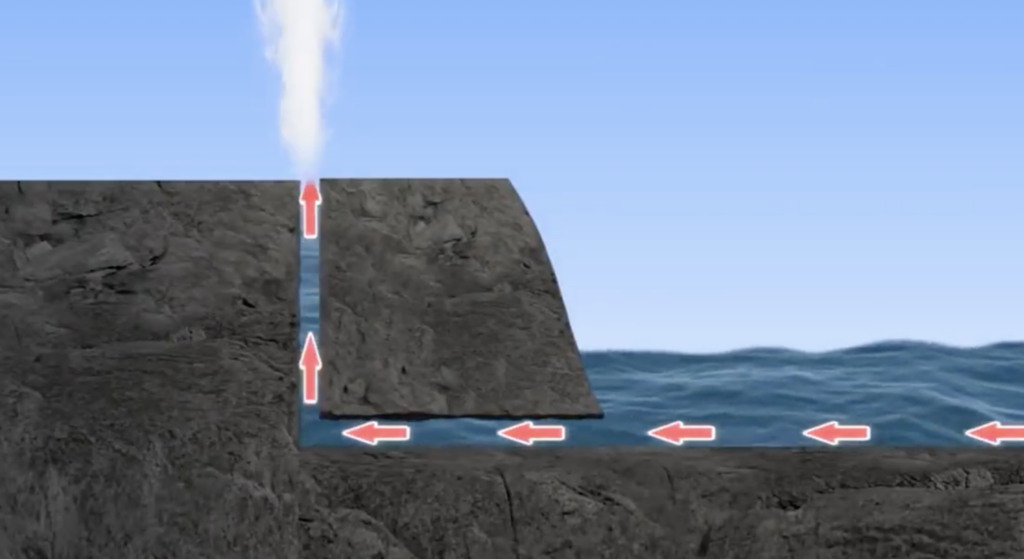
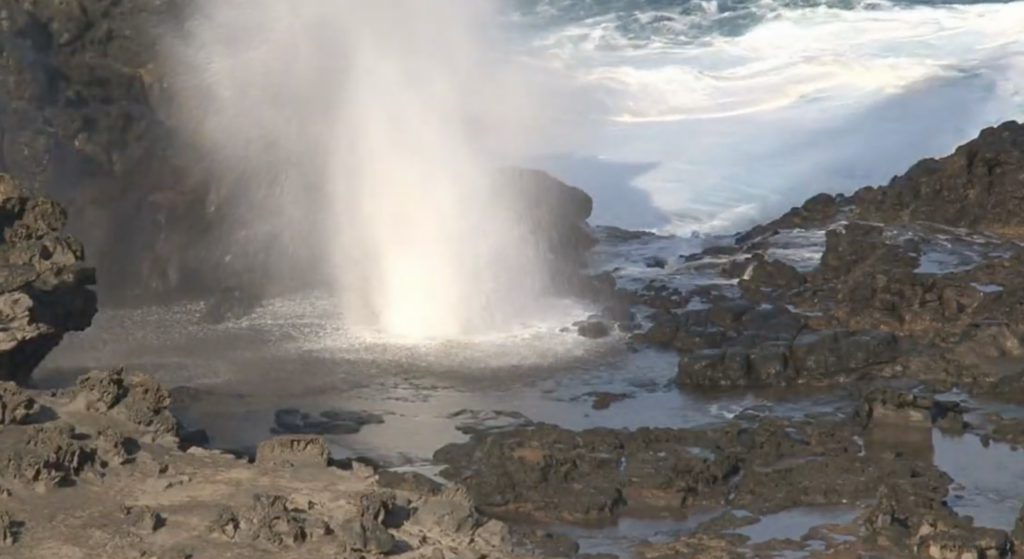
When waves rush into the cave, pressure forces air and seawater through the opening, producing dramatic jets that can shoot dozens of feet into the air.
These impressive displays may look harmless, but the same pressure that creates the towering spray can also generate dangerous suction. A sudden wave can pull anyone standing too close into the opening, where violent currents and sharp rocks create an extremely hazardous situation.
Some of the world’s most famous blowholes are found in Hawaii, including the Halona Blowhole on Oahu. The site is known for its spectacular water eruptions, but it has also been the scene of numerous rescues and fatal accidents over the years. Many victims are visitors who underestimate the power and speed of the ocean.
The safest way to survive a blowhole is to avoid falling into one in the first place. Always stay behind warning signs and barriers, no matter how calm the ocean appears. Conditions can change within seconds, and a wave that seems ordinary can suddenly become powerful enough to drag someone toward the opening.
If you are exploring rocky coastal areas where blowholes are located, experience with climbing techniques can be valuable. Using proper climbing equipment, such as helmets, harnesses, and safety ropes when permitted, can provide extra protection while navigating uneven terrain. A secure anchor may prevent you from being swept toward the blowhole if a powerful wave arrives unexpectedly.
Pay close attention to the ocean at all times. Large swells often arrive in sets, meaning several powerful waves can strike one after another. Never assume that because the water has been calm for a few minutes it will remain that way.
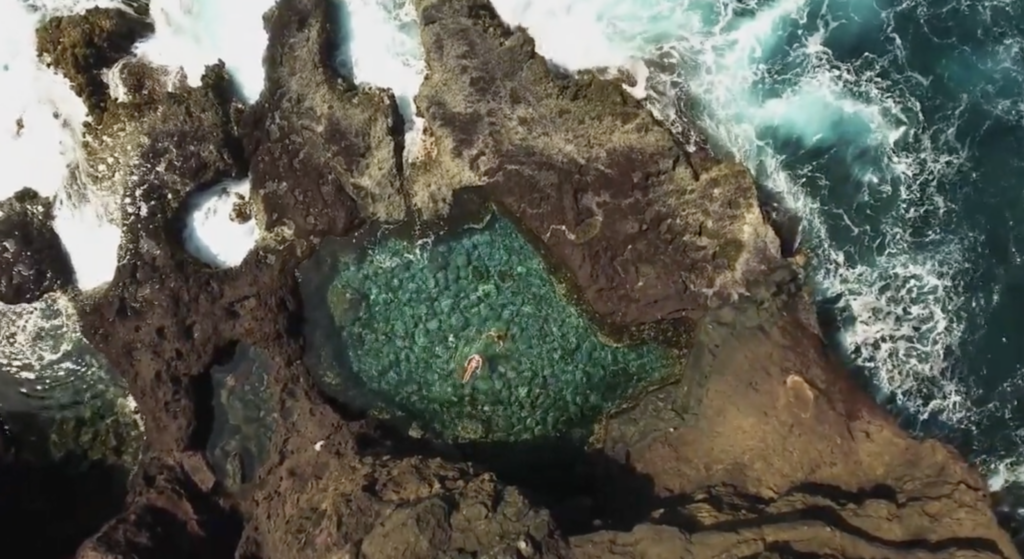
Some people have posted videos online showing themselves swimming inside blowholes or standing directly over them. While these videos may look exciting, they ignore the unpredictable nature of the ocean. There is no way to know exactly when the next surge will erupt, making these activities extremely dangerous.
If you are pulled into a blowhole despite every precaution, staying calm becomes your greatest advantage. Take the deepest breath possible before you are fully submerged. The force of the water may keep you underwater longer than expected, and conserving oxygen is critical.
The rushing water will likely toss you through the narrow cave, making it almost impossible to control your movements. Fighting directly against the current usually wastes precious energy. Instead, protect your head and face as much as possible while waiting for the water to carry you toward open water.
If you are fortunate enough to be swept out into the ocean, your ordeal is not over. Swim away from the rocky shoreline and the blowhole as quickly as you safely can. Remaining near the opening puts you at risk of being caught by another incoming wave and pulled back into the cave.
Coastal blowholes are incredible examples of the ocean’s power, but they deserve respect. Always follow posted safety warnings, keep a safe distance from the edge, and listen to local residents or park officials who understand the area’s hazards. Most blowhole accidents happen because visitors underestimate how quickly conditions can change. By treating these natural wonders with caution, you can enjoy their beauty without becoming their next victim.