Hot air balloons have fascinated people for centuries. The first successful manned hot air balloon flight took place in France in 1783, when the Montgolfier brothers launched a balloon that reached about 2,000 meters into the sky and traveled roughly 2 kilometers in just 10 minutes.
Since then, hot air balloons have been used for exploration, military purposes, and eventually became a popular tourist attraction. Today, thousands of people around the world take balloon rides to experience breathtaking views from above.
But floating hundreds of meters above the ground comes with risks. Hot air balloons rely on heated gas to stay in the air, with temperatures inside the balloon reaching around 120°C. If something goes wrong, passengers could face fires, equipment failures, dangerous landings, or a sudden fall from the sky.
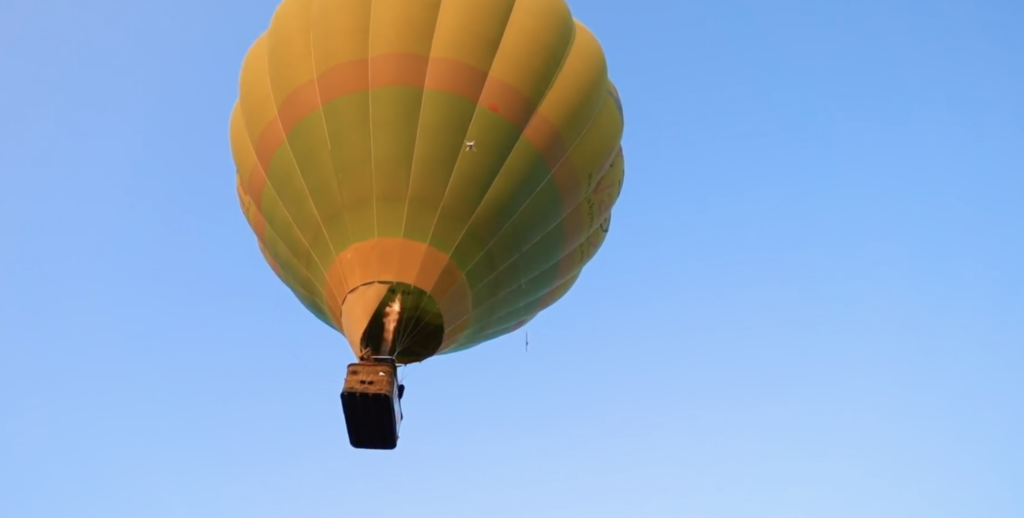
So what should you do if your hot air balloon begins to lose control?
Step 1: Choose Safety Before You Fly
Surviving a hot air balloon emergency starts before you even leave the ground.
When booking a balloon ride, avoid choosing a company based only on the lowest price. Some operators may cut costs by reducing safety measures or using outdated equipment.
Instead, research the company’s safety record and make sure it follows the aviation regulations in the area where you will be flying. You can also ask to see the pilot’s license and proof of insurance.
Your life will depend on the experience of the crew, so choosing a reliable operator is one of the most important decisions you can make.
Step 2: Stay Calm and Follow the Rules
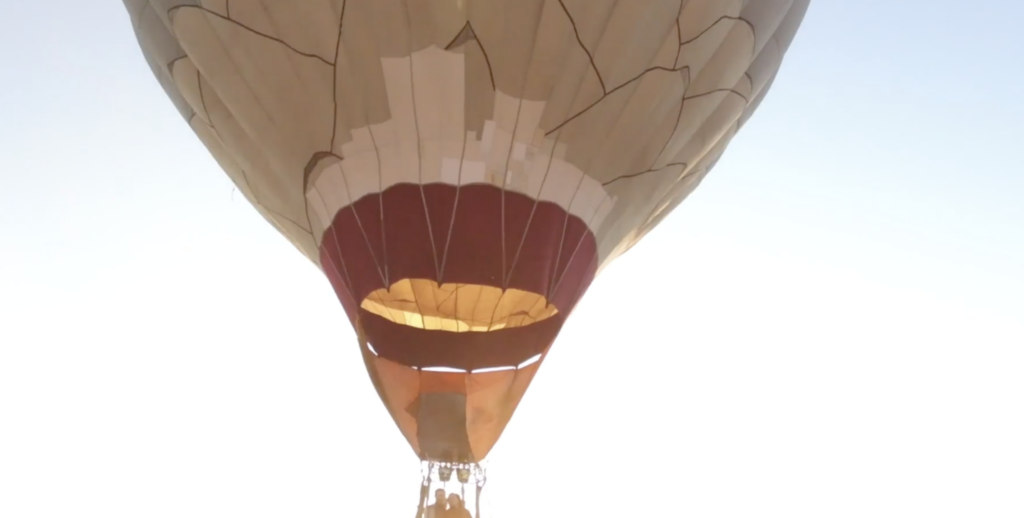
A hot air balloon may look peaceful, but you are still standing in a small basket attached to a fuel system hundreds of meters above the ground.
That means there is no room for distractions or careless behavior.
Do not lean over the edge of the basket, climb on the sides, or interfere with the pilot. The pilot needs to constantly watch the surroundings to avoid obstacles like trees, buildings, and power lines.
If the balloon touches a power line, passengers could face a deadly electric shock. The propane fuel system also creates a serious fire risk, so staying calm and following instructions is essential.
Step 3: Trust the Pilot, But Stay Alert
Equipment failures can happen suddenly, and when they do, every second matters.
In 2013, a hot air balloon carrying tourists over Luxor, Egypt, caught fire after a fuel line connected to the burner failed. The pilot warned passengers to crouch down, but one passenger, Michael Rennie, noticed an opportunity to escape when the basket came close enough to the ground.
He jumped out, and the pilot followed. Moments later, the balloon rose again and eventually exploded. The other passengers tragically did not survive.
This incident shows the importance of listening to the pilot while also staying aware of your surroundings. In a life threatening emergency, quick decisions can make the difference between survival and disaster.

Step 4: Be Ready to Help During Landing
Many people imagine a hot air balloon landing as a smooth return to the ground, but the reality can be much rougher.
The basket often hits the ground, bounces, and drags before finally stopping. This is one of the most dangerous parts of the flight.
In 2019, a group of tourists in Nevada experienced a chaotic landing when the basket hit the ground with enough force to throw several passengers, including the pilot, out of the basket. The balloon continued moving uncontrollably across the field.
One passenger named Tom Stenton noticed a red rope connected to the top of the balloon. He pulled the rope repeatedly, releasing hot air and reducing the balloon’s lift. Eventually, the balloon came to a stop.
Several passengers suffered broken bones, but everyone survived.
In a serious emergency, passengers may need to help. Knowing where important controls are and staying calm can save lives.
Step 5: Understand How the Balloon Works
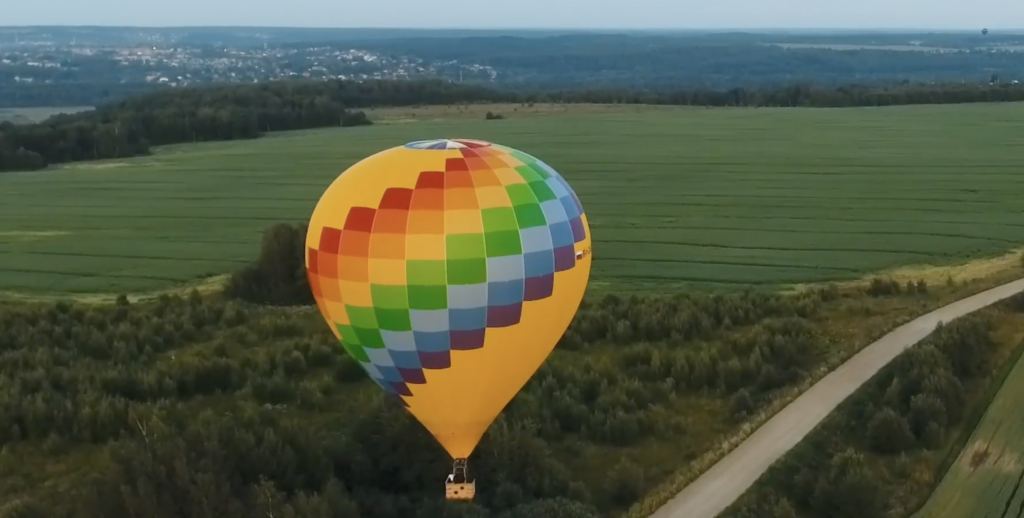
Taking control of a hot air balloon during an emergency is extremely difficult and should only be attempted if there is no other option. However, understanding the basic controls can help you react if the pilot becomes unable to operate the balloon.
The burner system controls altitude. To gain height, the pilot opens a valve that releases propane flames and heats the air inside the balloon. A short burst of heat can help the balloon rise.
If the balloon needs to descend, the heat is reduced, allowing the balloon to slowly lose altitude.
The most important goal during an emergency landing is finding a safe location away from obstacles such as power lines, trees, buildings, and mountains.
As the balloon approaches the ground, the pilot can release hot air through the top of the balloon using the red rope. This reduces lift and helps bring the balloon down.
Passengers should prepare for a hard landing by holding on tightly, bending their knees, and staying inside the basket until the balloon has fully stopped.
A hot air balloon ride is usually a peaceful and unforgettable experience, but being prepared for an emergency can dramatically improve your chances of survival. Staying calm, following instructions, and knowing what to do when things go wrong could make all the difference when you are thousands of feet above the ground.