Even if you never realize you’ve been exposed to something toxic, your body will usually give warning signs. Symptoms like vomiting, difficulty breathing, sudden drowsiness, redness around the mouth, or mental confusion can all point to poisoning. When these appear, time matters more than anything else.
The first and most important action is to contact emergency medical services immediately. Do not wait for symptoms to pass. When you call, clearly explain your age, approximate weight, what substance may have caused the poisoning, any medications you take, and the exact symptoms you are experiencing. If possible, read the label of the suspected poison directly to the operator, including ingredients and concentration. Even small details can change the treatment plan.

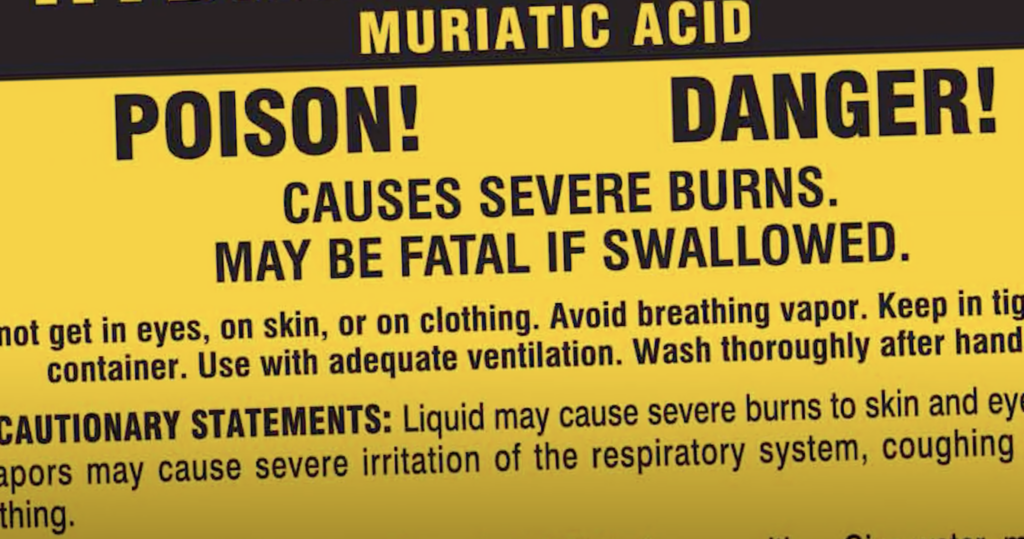
If there is any remaining substance in your mouth, spit it out carefully. Do not try to “counteract” it with home remedies. If the poison is a household chemical, check the product label for emergency instructions, since manufacturers often include specific first aid steps.
If the exposure is in your eyes, gently rinse them with cool or lukewarm water for at least 15 minutes. Keep your eyelids open if possible and continue flushing until medical help arrives. Eye tissues absorb chemicals quickly, so immediate irrigation can reduce damage.
If the poison has been inhaled, move yourself to fresh air as quickly and safely as possible. Avoid enclosed spaces and loosen tight clothing to help breathing. Once outside, try to stay calm and take slow breaths while waiting for assistance.
Skin exposure requires removing contaminated clothing carefully, ideally using gloves or a barrier to avoid spreading the substance. After removing clothing, rinse the skin under a shower or running water for 15 to 20 minutes. Do not scrub aggressively, as that can worsen absorption in some cases.

If vomiting occurs naturally, avoid lying flat on your back. Instead, position yourself on your side to reduce the risk of choking or aspiration. What you should never do is deliberately force vomiting. It may seem like a logical way to remove poison, but it can cause the substance to enter the lungs, which is far more dangerous.
In the past, substances like ipecac syrup were used to induce vomiting. Today, major medical organizations advise against it because it can cause complications such as damage to the throat and aspiration pneumonia. It does not reliably improve outcomes and can sometimes make the situation worse.
Another common misconception is drinking large amounts of water to “dilute” poison. In reality, this does not prevent absorption and may even worsen certain types of poisoning depending on the substance involved. Treatment must always match the specific toxin, which is why professional guidance is essential.
The same principle applies to bites and stings. For example, attempting to suck venom from a snake bite or using outdated snake bite kits is ineffective and potentially harmful. The correct response is to keep the affected limb still, avoid unnecessary movement, and seek emergency medical care immediately.
Insect stings that trigger severe allergic reactions require rapid action. If an adrenaline auto injector is available, such as an EpiPen, it should be used immediately as directed. After that, loosen tight clothing, stay as calm as possible, and wait for emergency help.
Across all types of poisoning, whether chemical, biological, or environmental, the pattern remains the same. The most effective response is not improvisation, but rapid access to medical care.
Surviving poisoning is not about heroic self treatment. It is about recognizing symptoms early, avoiding common mistakes, and getting professional help as fast as possible. According to science, that is what gives you the best chance of recovery.