It’s incredibly costly to get a human to the Moon in terms of the risks taken by all the parties involved and the technological challenges. Because of this, space agencies have sent robotic explorers to study the Moon and some planets instead.
What happens when you send humans to the Moon’s challenging environment? About 80% of the Moon’s landscape is “heavily cratered highlands” and toxic lunar dust floating in the air. Its daily temperatures can reach 120 °C (250 °F) at the Moon’s equator.
So what would you need to survive there?
Step 1: Create Your Own Air
Humans need to breathe air that contains essential elements such as oxygen and nitrogen. According to NASA, the air we breathe on Earth contains 78% nitrogen, 21% oxygen and 1% other gases like carbon dioxide, neon and hydrogen.
We would have to recreate this type of air, or at least something like it, to stay on the Moon. Luckily, the soil on the lunar surface contains 42% oxygen.
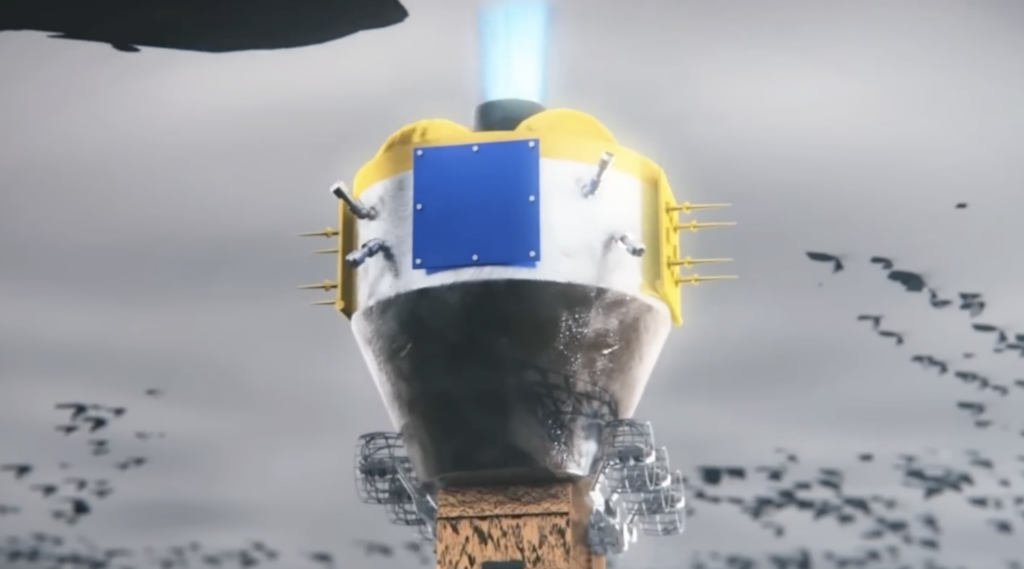
NASA already has prototype robots that use heat and electricity to harvest oxygen, making it accessible to us.
Step 2: Drill in Advance
Although there is no liquid water on the Moon, NASA has confirmed that the Moon has water in the form of ice. To survive on the Moon, we will need scientists and engineers to do a lot of work beforehand.
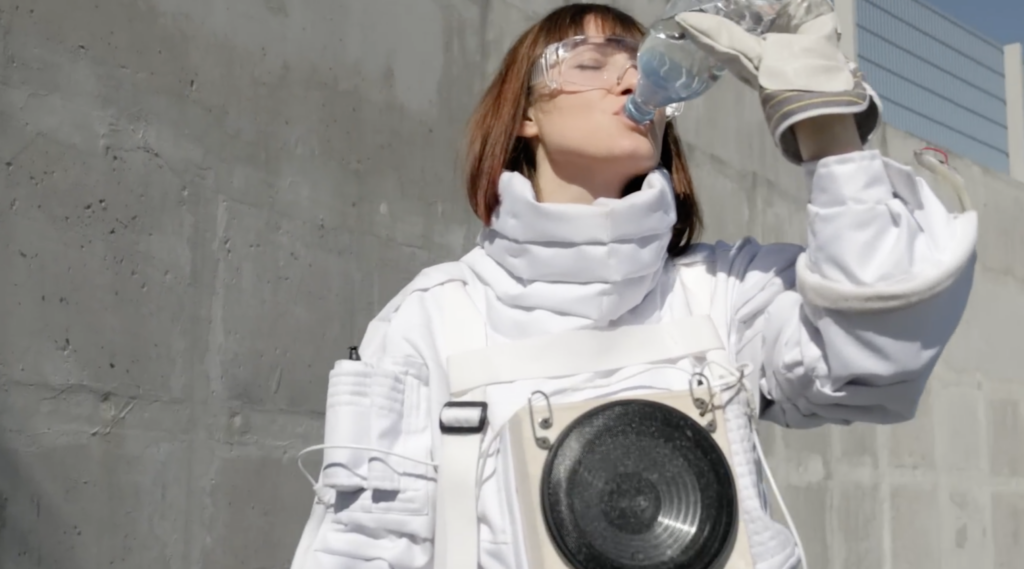
Since you will need water to survive, we’ll need to send rovers to drill and harvest the lunar ice, clean it and convert it to liquid water for drinking.
Step 3: Find Your Power
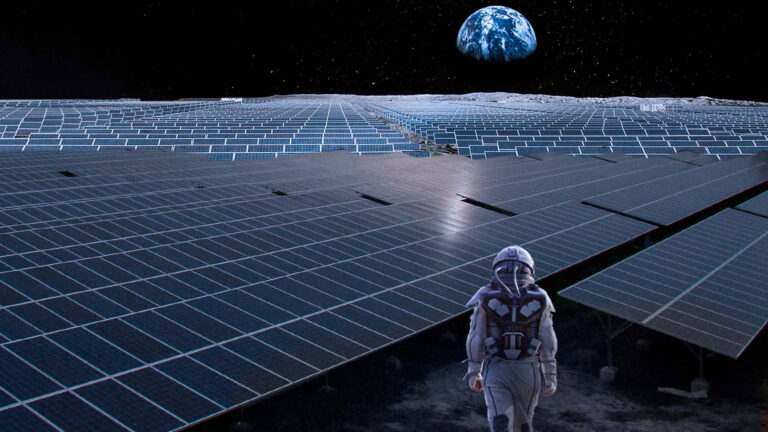
You will likely not be able to bring solar batteries with you as they are too large and bulky. But once you’re on the Moon, you could settle on a high point at one of the poles. There, you would have permanent sunlight except during lunar eclipses.
You’ll have to make sure that your equipment can withstand the intense temperature fluctuations though.
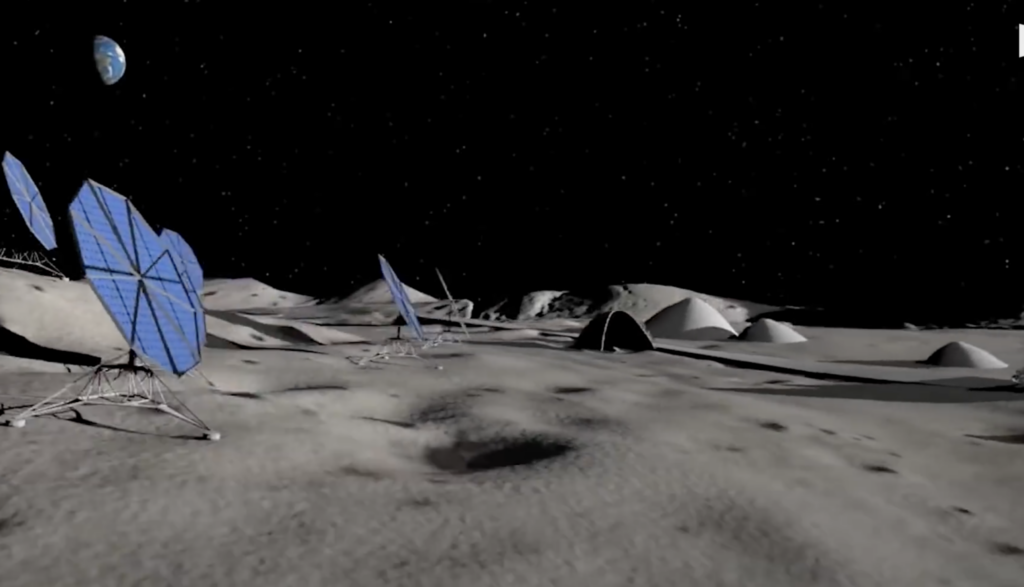
One technology that could help is the radioisotope power system. It doesn’t have moving parts, so it shouldn’t get easily damaged. The system runs using radioisotopes from spent plutonium-238, and it has been used for over half a century.
This allows a radioisotope system to run from two weeks to multiple years. They also can withstand temperature fluctuations, space radiation and thick dust. As a type of nuclear energy technology, it does rely on solar power.
Step 4: Bring Worms
The soil on the Moon, called regolith, would not be able to sustain plants because it would quickly erode from the plants’ roots.
And the Moon’s dust contains high levels of toxic metals and compounds generally toxic to plants. Moondust does not have enough nutrients to support plants. So we would have to send human manure to help fertilize the dust.
The manure would bind the toxic compounds in the soil and add nutrients, which in turn would concentrate water within the soil. With the lunar soil ready for humans, settlers would only need to bring seeds and earthworms.
Step 5: Use Your Inflatable
Assuming there is no permanent habitat set up for you, you will need an inflatable shelter to withstand the elements. You’ll need to bring some type of shelter.
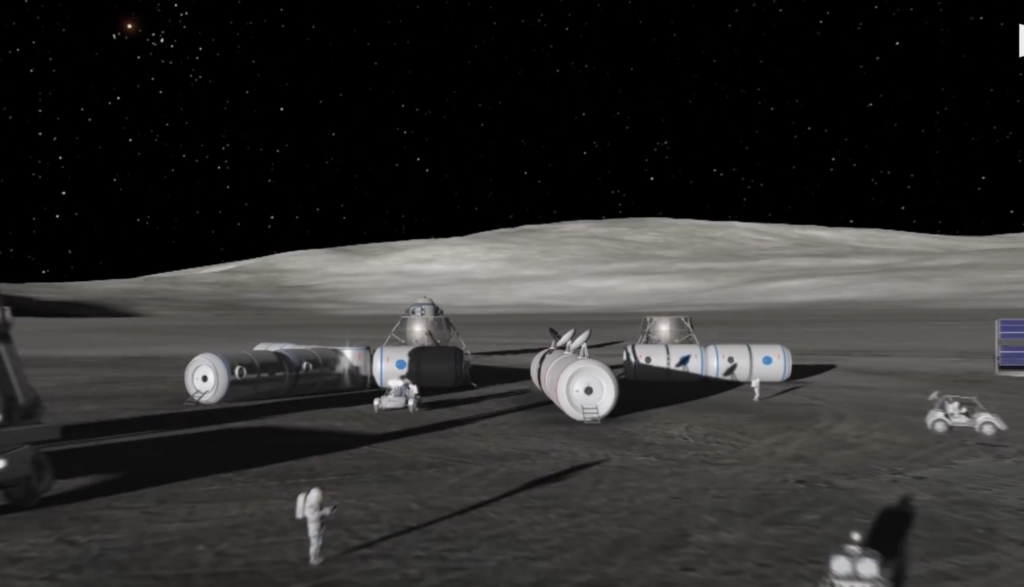
It could be made of various materials, but an inflatable is the best because it will be less bulky, lighter to carry and not too rigid.
It will need an airlock so your indoor oxygen does not escape.
The inside door would close, and the air would get pumped out of the airlock. Then you, in your spacesuit, could step outside. In the long term, you would have to wear a spacesuit every time you leave the shelter. The Moon will not have an atmosphere that you could walk around in and breathe.