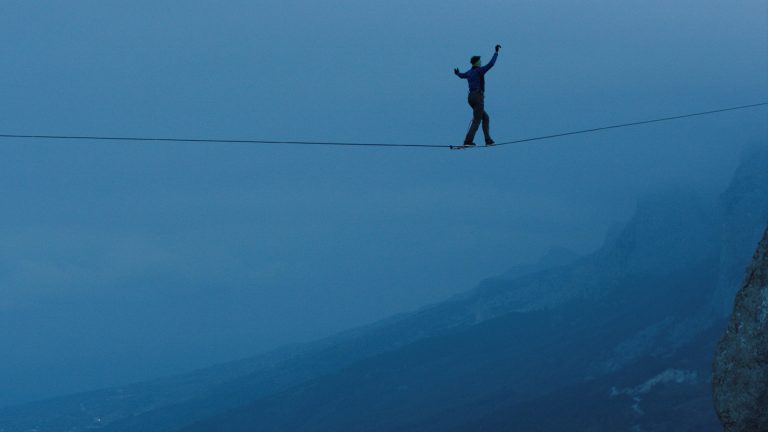
A fear of heights, known as acrophobia, is one of the most common fears people experience. For some, standing on a tall building, looking down from a bridge, or even climbing a ladder can trigger intense anxiety and panic. In some cases, the fear can appear without a clear reason and become strong enough to affect everyday activities.
Acrophobia can limit where people go, what experiences they enjoy, and how comfortable they feel in certain situations. The fear is not simply about being high above the ground. It is often connected to the brain’s response to danger, causing the body to react as if there is an immediate threat.
So how can you train your brain to overcome a fear of heights? Can you learn to control the anxiety? And could modern technology, like virtual reality, help people face their fears?
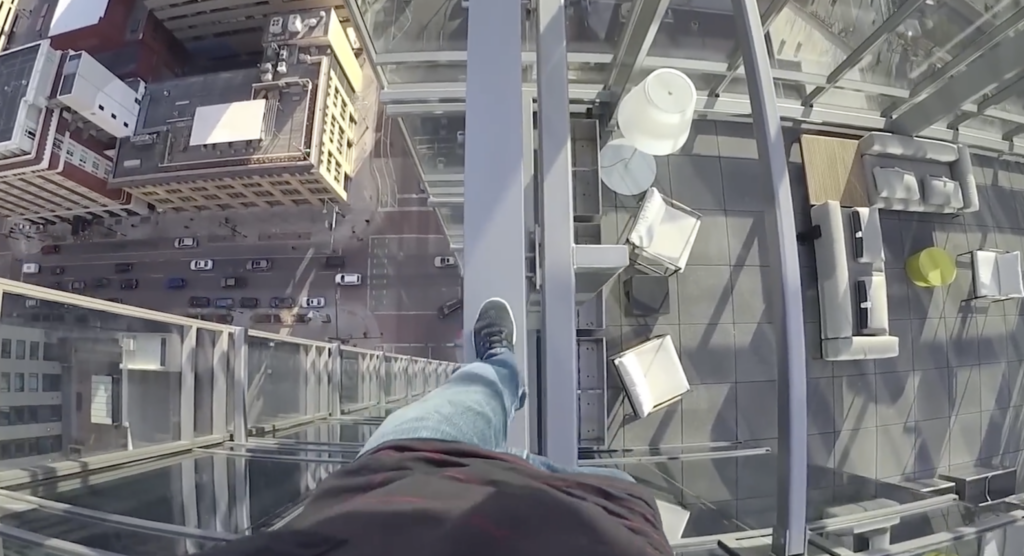
The good news is that many people have successfully reduced their fear of heights by slowly changing the way their brain responds to these situations.
The first step is to begin with small challenges instead of immediately forcing yourself into an extreme situation. Gradual exposure can help your brain become more comfortable with heights over time. The goal is not to eliminate fear instantly, but to slowly teach yourself that being above the ground does not always mean being in danger.
You could start with something simple, such as standing near the bottom of a hill, looking out from a low balcony, or climbing a few steps higher than usual. As your confidence grows, you can slowly increase the challenge. The process takes patience, but repeated experiences can help reduce the anxiety response.
Research suggests that acrophobia affects a significant number of people, with studies estimating that around 1 in 20 individuals may experience this intense fear of heights. If heights make you uncomfortable, you are far from alone.
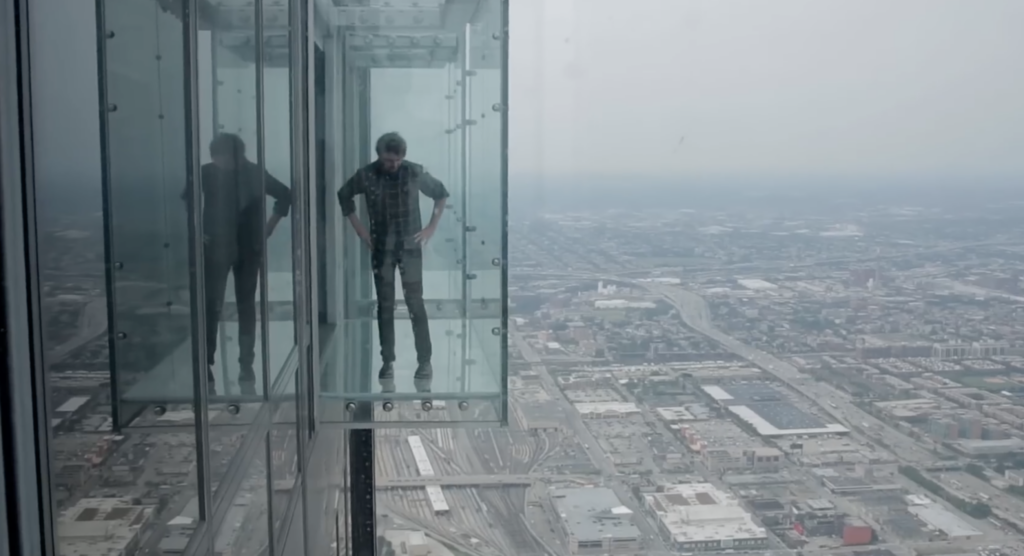
A fear of heights can prevent people from enjoying outdoor activities, visiting certain locations, or trying new experiences. However, avoiding every situation involving heights can make the fear stronger over time. Instead, starting with manageable challenges in safe environments can help rebuild confidence.
Trying new activities with supportive friends or family members can also make the process easier. Having someone you trust nearby can reduce pressure and allow you to move forward at your own pace without feeling overwhelmed.
Another important part of overcoming a fear of heights is understanding what triggers your anxiety. Different situations can create different reactions. For some people, looking down from a height is the biggest trigger, while others may feel anxious simply being in an elevated place.
When fear appears, the brain can enter a cycle where anxiety creates more anxiety. The body reacts with warning signals, even when there is no real danger. Recognizing this pattern is an important step toward regaining control.
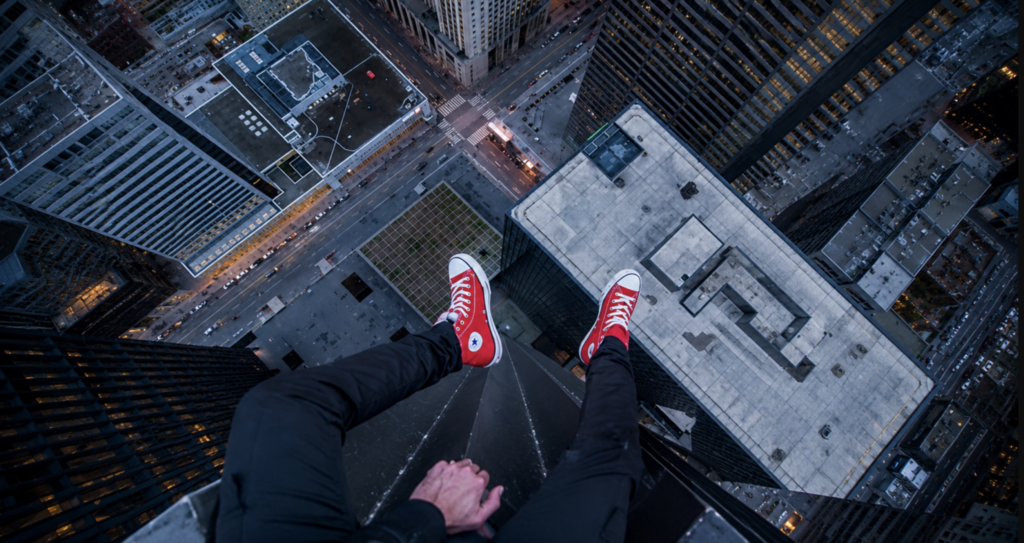
Remember that some fear of heights is completely normal. Humans naturally developed a fear of dangerous falls because it helped our ancestors avoid risky situations. The problem begins when that protective response becomes too powerful and starts controlling your life.
When you feel afraid, try to analyze the situation instead of immediately reacting to the fear. Ask yourself whether you are actually unsafe or whether your brain is simply creating an alarm response. Reminding yourself that you are protected can help weaken the fear over time.
If you know you will face a situation involving heights, preparation can make a major difference. Before climbing a ladder, crossing a bridge, or visiting a tall building, learn what to expect and understand the safety measures around you.
Knowing that a structure is designed to support your weight or that safety systems are in place can help your brain feel more secure. Instead of focusing only on the height, focus on the steps that are keeping you safe.
Preparation also helps make unfamiliar situations feel more normal. The more knowledge and experience you gain, the less mysterious and threatening the situation becomes.
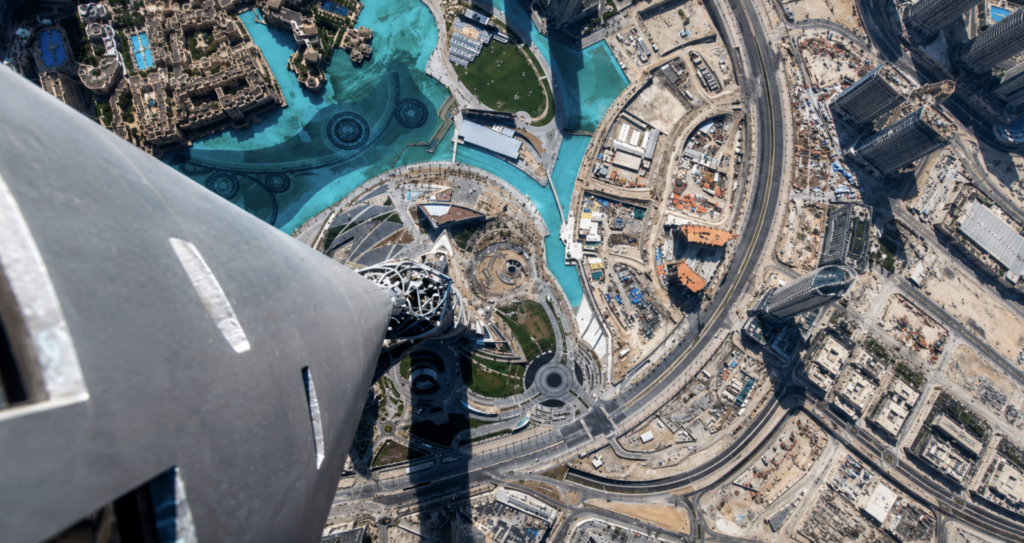
Learning how to control the physical symptoms of fear is another important part of overcoming acrophobia. Anxiety can cause a racing heartbeat, rapid breathing, dizziness, and sweating, which can make the fear feel even stronger.
Relaxation techniques can help calm the body’s response. Deep breathing exercises are one simple method that can lower stress levels and help you regain control when anxiety begins to rise.
Instead of fighting the fear or trying to ignore it completely, the goal is to remain calm while allowing the uncomfortable feelings to pass. Over time, your brain can learn that these sensations are not dangerous.
Modern technology has also created new ways to treat a fear of heights. One promising method is virtual reality exposure therapy, which allows people to experience height related situations in a controlled digital environment.
Researchers have studied treatments using smartphone applications and affordable virtual reality equipment to help people gradually face their fears. The advantage of this method is that users can control the experience and move forward only when they feel ready.
During virtual reality therapy, a person may begin with a simple scenario, such as standing on a virtual platform. As they become more comfortable, they can progress to more challenging situations, like looking down from a tall building or crossing a virtual bridge.
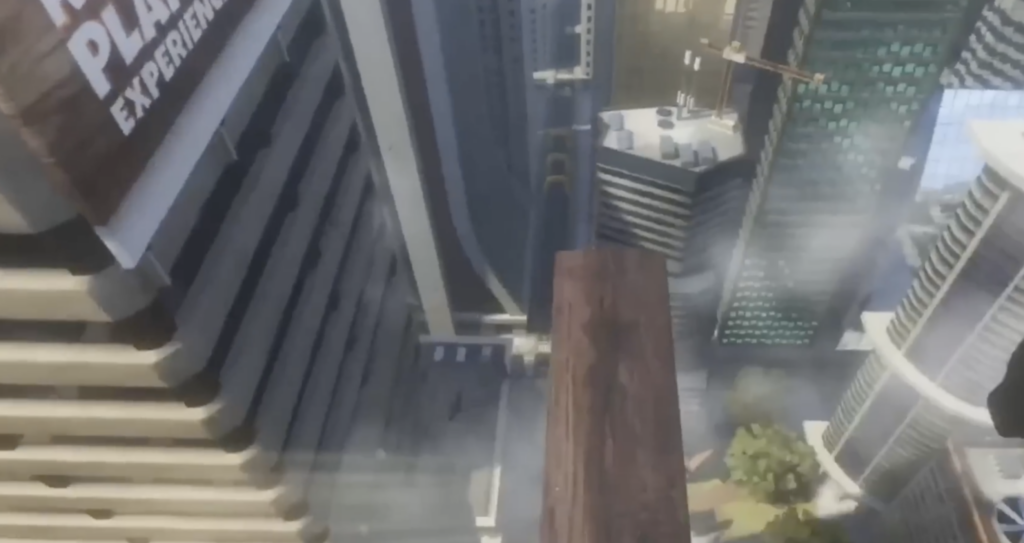
Repeated exposure helps the brain understand that these situations are not as dangerous as they feel. Over time, many people experience a reduction in their anxiety and become more confident when facing real heights.
It is normal for people to become more cautious around heights as they get older. However, a fear of heights does not have to control your choices or prevent you from experiencing life.
By gradually challenging yourself, understanding your triggers, preparing for difficult situations, and learning how to manage anxiety symptoms, you can train your brain to respond differently.
Overcoming acrophobia does not mean you will suddenly love heights. It means you can face them without letting fear decide what you can and cannot do.