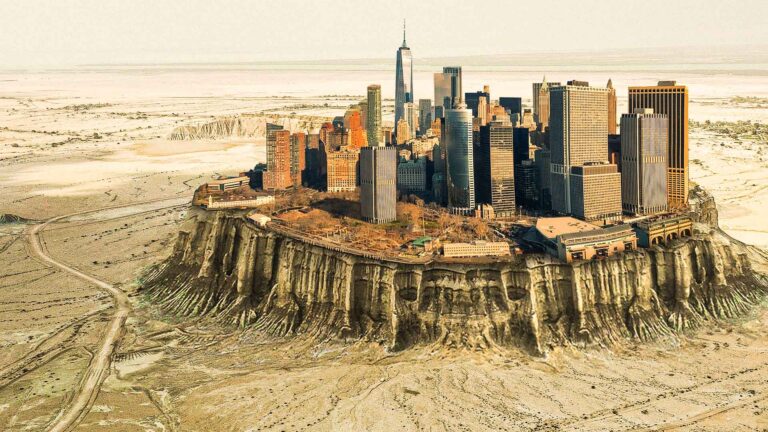
Earth is often called the blue planet, and for good reason. More than 70 percent of its surface is covered by oceans that regulate temperature, drive weather systems, and make life possible. But what would happen if that entire system suddenly collapsed and the oceans began to vanish?
At first, the process would feel like the planet is overheating. Massive amounts of water would evaporate into the atmosphere, turning the sky into a thick layer of invisible steam. Humidity would spike to levels never experienced in human history, and the air itself would begin to feel heavy and oppressive.
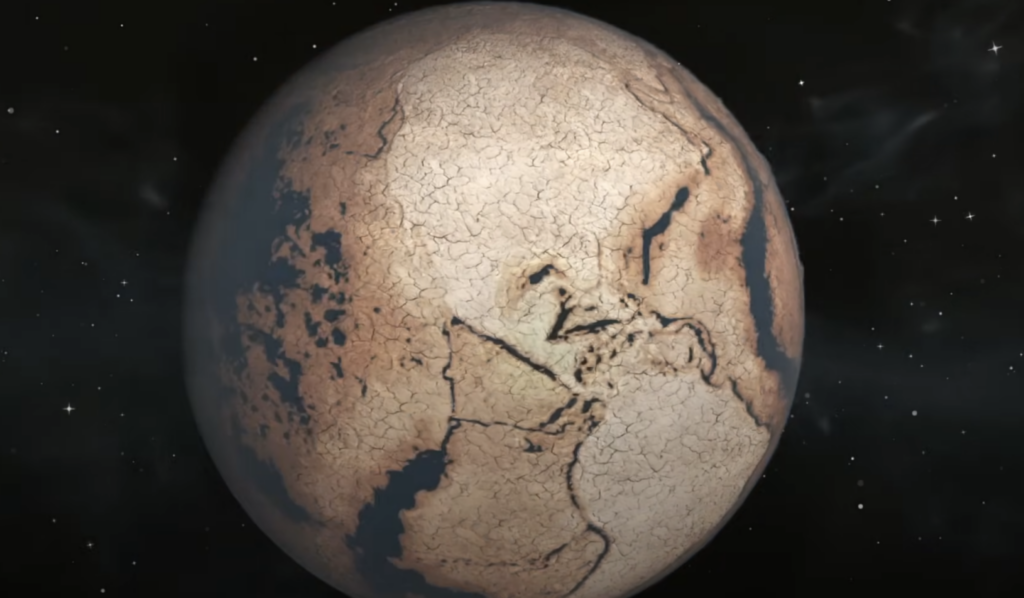
Earth’s water cycle normally keeps the planet stable. Water evaporates from oceans, forms clouds, falls as rain, and returns again in a continuous loop. But once the oceans begin to boil away, this cycle would be thrown into chaos. Instead of balanced circulation, the atmosphere would become overloaded with water vapor, trapping heat far more efficiently than before.
Water vapor is already one of the most powerful greenhouse gases, responsible for a large portion of Earth’s natural warming effect. If its concentration increased dramatically, the planet would begin to heat up at an accelerating rate.
As temperatures rise, the effects would become self reinforcing. Warmer oceans produce more vapor, and more vapor traps more heat. This creates a feedback loop that pushes the planet toward a runaway greenhouse effect, similar to what scientists believe may have happened on Venus.
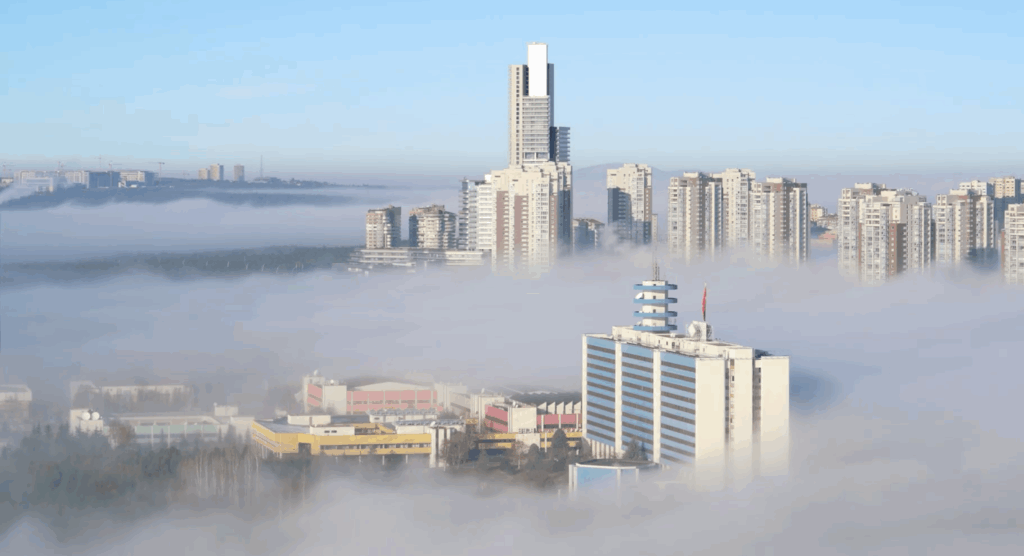
At the same time, rising global temperatures would begin to reshape the entire climate system. Weather patterns would become extreme and unstable. Heat would spread more evenly across the planet, warming even the polar regions.
Ice caps and glaciers would melt rapidly, contributing to dramatic sea level rise. Coastal cities would be flooded, forcing mass displacement of populations and collapsing infrastructure across the globe.
In a fully destabilized climate system, the remaining oceans would not simply disappear overnight. Instead, the process would take time as salt concentration increases and boiling conditions gradually expand. However, the direction would be irreversible.
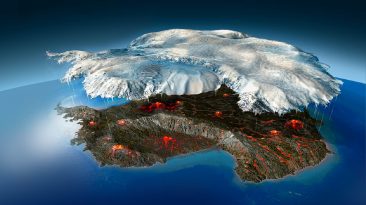
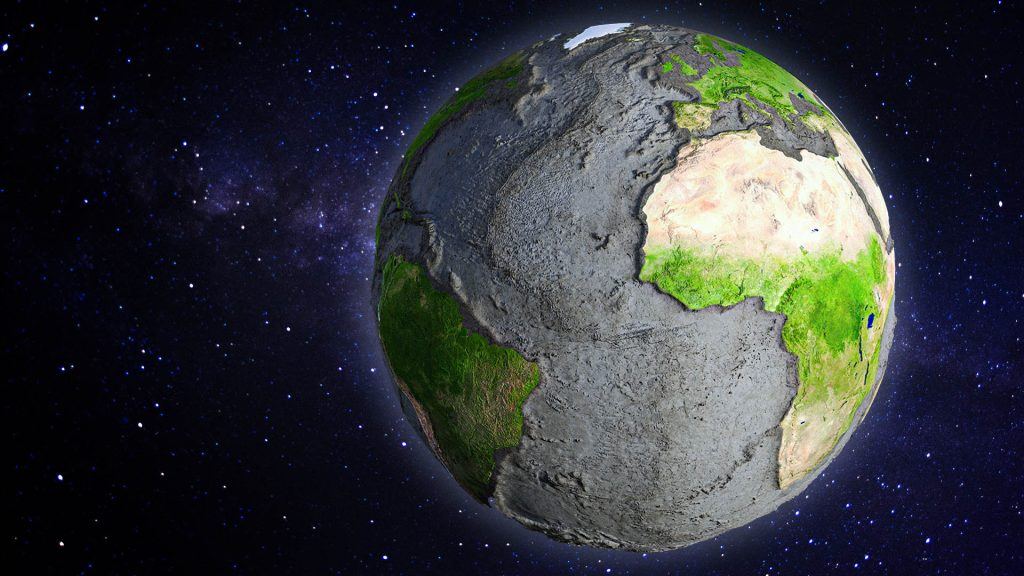
Eventually, Earth’s surface would transform into a hostile environment dominated by extreme heat and dense atmospheric moisture. Land that was once underwater would be exposed, revealing deep ocean trenches carved into the crust over millions of years.
As conditions worsen, survival on the surface would become impossible. Temperatures could eventually rise to levels comparable to Venus, where surface heat is hot enough to melt metals and reshape planetary geology.
Long before reaching those extremes, most forms of life would already have disappeared. Ecosystems would collapse as water becomes scarce, temperatures rise, and breathable air is replaced by a dense, superheated atmosphere.
Human survival would depend entirely on whether shelter systems could be built underground or in controlled environments capable of sustaining life without oceans. Even then, long term survival would be uncertain.
In the final stages of this scenario, Earth would no longer resemble the planet we know today. It would become a dry, overheated world trapped in its own greenhouse cycle, slowly moving toward conditions that erase nearly all traces of surface life.
The disappearance of the oceans would not just change Earth. It would redefine what it means for a planet to be habitable at all.