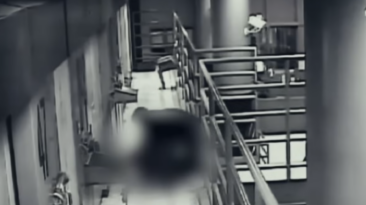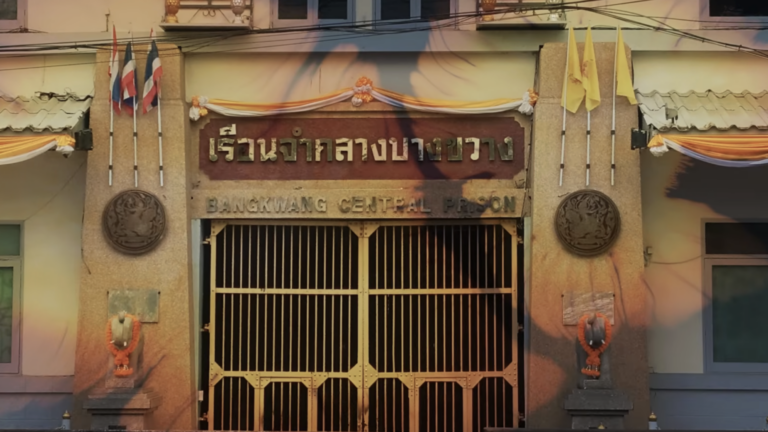
Bang Kwang Prison was no ordinary prison within Thailand’s system of prisons; for many years it gained a bad reputation due to conditions which drove the prisoners to the brink, including extreme overcrowding, unsanitary surroundings, the use of heavy chains, violence, disease, and a constant fight for basic survival.
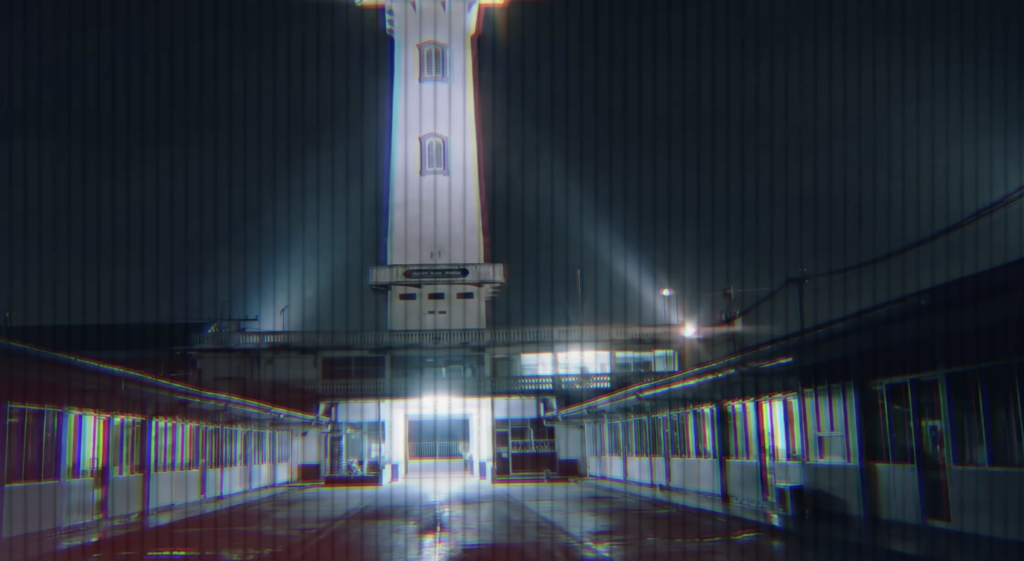
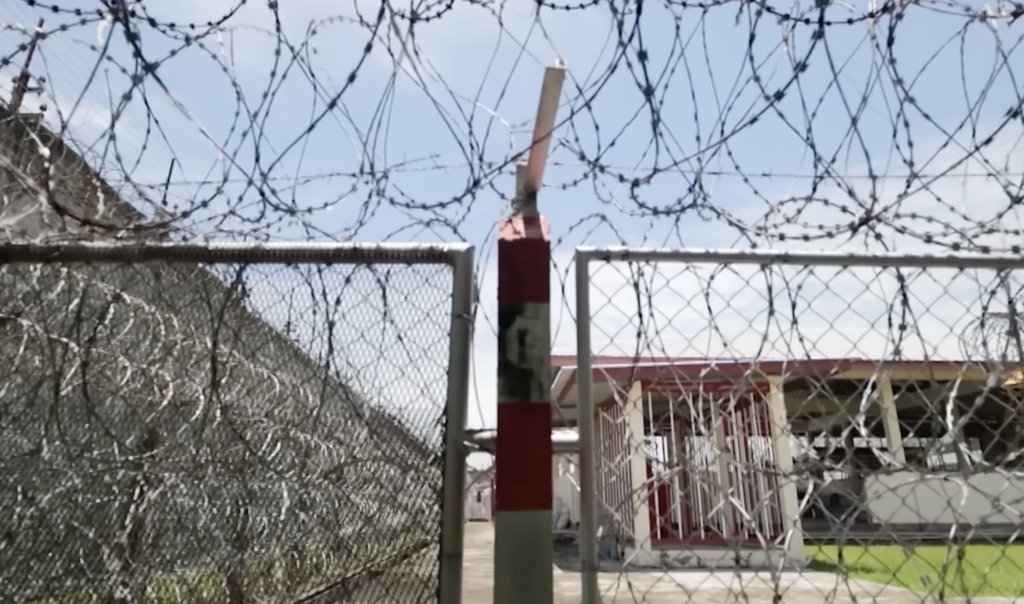
For foreign prisoners who arrived in Thailand the actual situation was hard to understand since the first impression was given by high walls, barbed wire, armed guard towers and locked compounds, but what was inside was much worse than the prison’s appearance indicated.
Prisoners’ first observation was the odour; in certain areas the air was filled with open sewage, decaying waste, hot concrete and huge numbers of flies, so that it became almost impossible to keep the place clean.
Water was also a major problem. The prisoners had to use water drawn from a river below the prison’s sewage outlet, and this water had to be left to stand so that the dirt would settle, after which the prisoners had to separate as much as they could before trying to boil it and make it safe to drink.
There were also the chains.
Previous inmates recalled being told that metal was hammered onto the ankles of prisoners using a sledgehammer and an anvil. In order to do this, the prisoners had to put their feet on the anvil, which turned the procedure into more than just a security measure; it was also meant as a deliberate method of humiliation.
In the cells there was very little personal space; a former prisoner recalled a room about 16 feet by 24 feet which could accommodate between 20 and 40 people, the only toilet being a small hole in the corner.
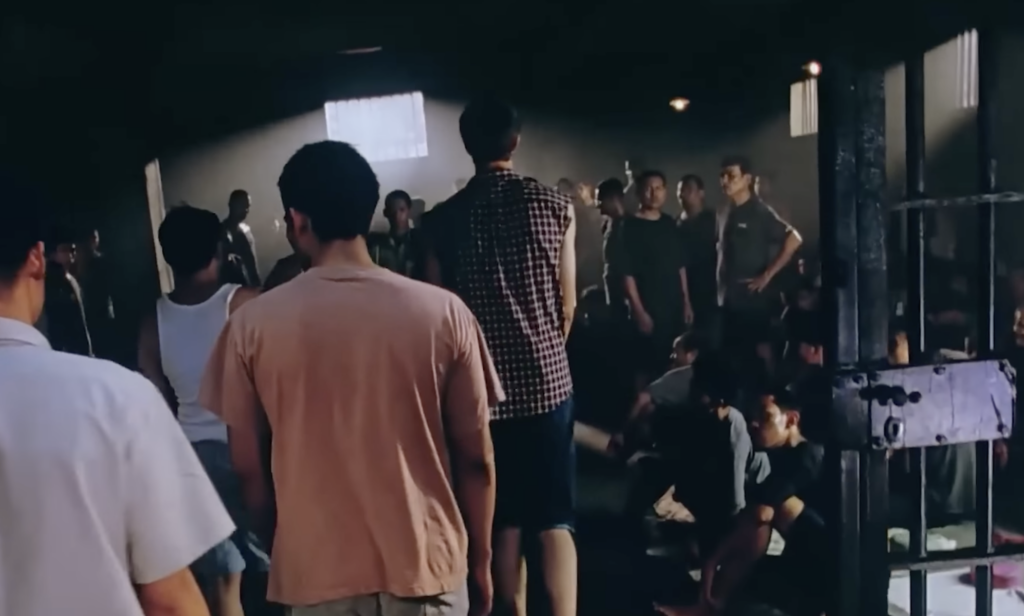
Sleep was just as difficult. The prisoners could not always lie on their backs since there was not enough space. Their bodies were pressed up against each other with elbows and knees touching those next to them, which meant that the inmates had to take turns stretching their legs.
Hygiene was almost impossible because of the crowded conditions. Rats ran about in the prison, mosquitoes populated the cells and cockroaches crept over the prisoners as they were sleeping. Some of the inmates said that insects had got into their ears, and others had to use the same dirty areas as toilets.
Food was also a daily difficulty. The prisoners got so desperate that they looked for other sources of protein, such as snakes and insects, and some of them even learned to collect cockroaches, fatten them up with rice that they had stolen and then prepare them as food.
The physical conditions were only one aspect of the ordeal.
Violence was an integral part of the prison environment, and previous inmates remembered seeing prisoners being beaten with bamboo sticks; in order to survive within the hierarchy one had to learn when to stand up for oneself and when to avoid confrontation.
A weak-looking prisoner might soon be singled out. This situation caused even those who were tired, ill or in chains to feel that they had no alternative but to put up a struggle when challenged.
The psychological pressure was just as great. The prisoners knew that they could spend years in the same buildings, cut off from their families while watching time fade away.
For certain people the world outside gradually ceased to be imaginable. Although birthdays, marriages, children growing up and normal family occasions went on as before, life within the prison remained almost exactly the same.
Disease introduced yet another source of danger since poor sanitation, overcrowding and the lack of medical care produced conditions in which disease could easily spread and injuries left untreated could turn into serious issues.
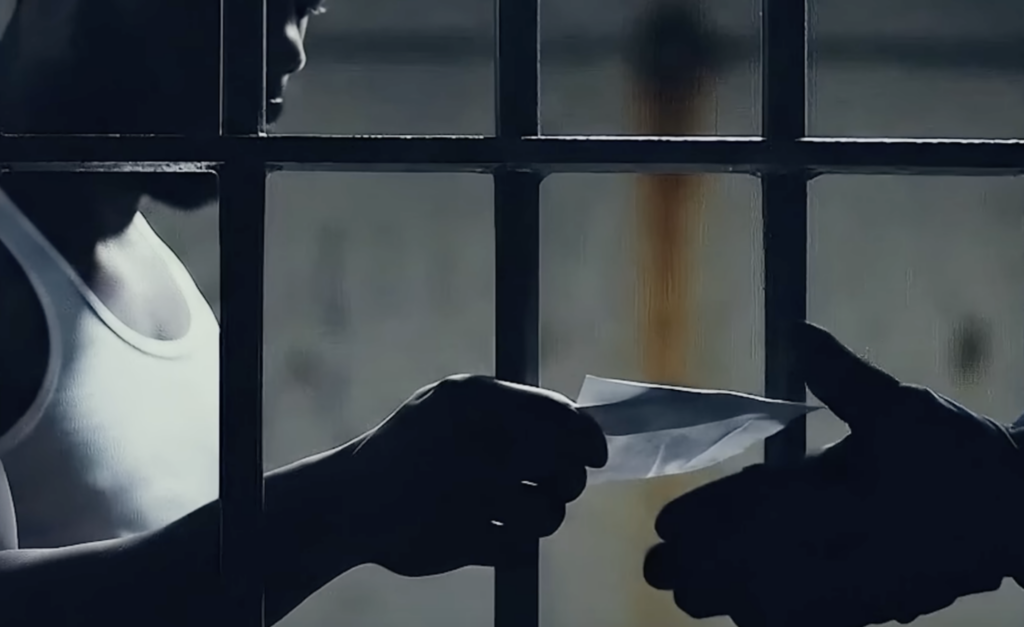
Corruption was rife among the prison authorities as well. Previous inmates said that the guards would bring drugs into the prison and sell them to the prisoners, often in large amounts. Since the organisation which punished people for drug offences could thus become a place where drugs were easily obtainable.
This set up a especially harsh cycle since some prisoners had gone to Bang Kwang because of drug use and then became dependent on the drugs while in prison, using them to cope with the physical and psychological stress of being confined.
The more time the prisoners spent in prison, the harder it became to tell the difference between survival and suffering.
In Bang Kwang people were made to get used to conditions which would appear unimaginable outside the area; they learned how to sleep in cramped spaces, drink water that was contaminated, live among vermin, tolerate chains and look after themselves against violence.
The experience didn’t necessarily come to an end even after the prisoners had eventually left.
They could be haunted by years of isolation, humiliation, illness, addiction, and fear as they reentered society, and some prisoners who had been released from Bang Kwang said that leaving the place had not been about escaping a prison but rather about being set free from something that had altered them for good.
Bang Kwang acquired a reputation as one of Thailand’s most dreaded prisons because its image was not the result of a single event but came about due to the cumulative effect of all the suffering prisoners were made to go through—such as the chains, the overcrowding, the filth, the violence, the disease, and the constant awareness that each day spent inside might turn into another struggle just to survive.