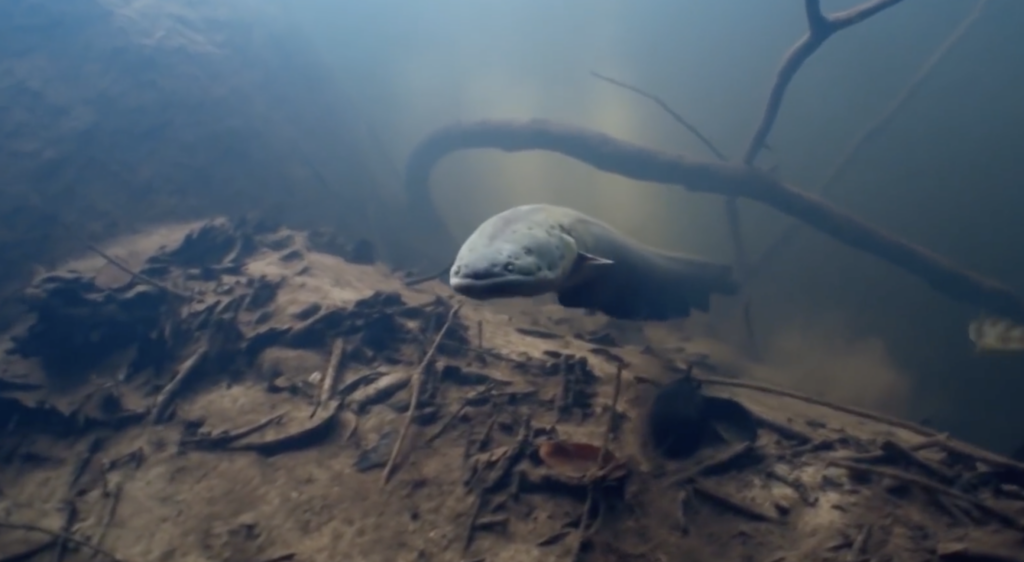
You are standing in the murky water of the Amazon when something long and slippery moves against your leg. Before you can step away, another creature passes by. Then you notice dozens of them moving through the water around you.
These are electric eels, and being surrounded by them would be a terrifying situation. Some species can produce powerful electrical discharges capable of stunning prey, while the water around you could make it difficult to escape quickly.
The most powerful species is Volta’s electric eel, which has been recorded producing discharges of up to 860 volts. That raises an obvious question: if more than 100 of these animals surrounded you, could their combined attacks seriously injure you?
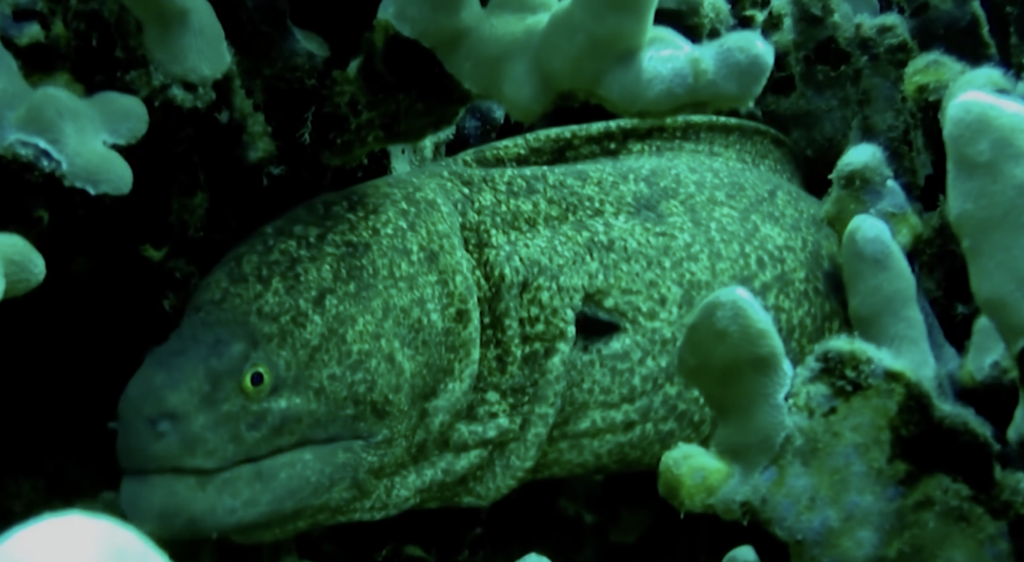
Despite their name, electric eels are not actually true eels. They belong to a group of freshwater fish called knifefish. Several species are capable of producing electricity, but Volta’s electric eel is particularly powerful.
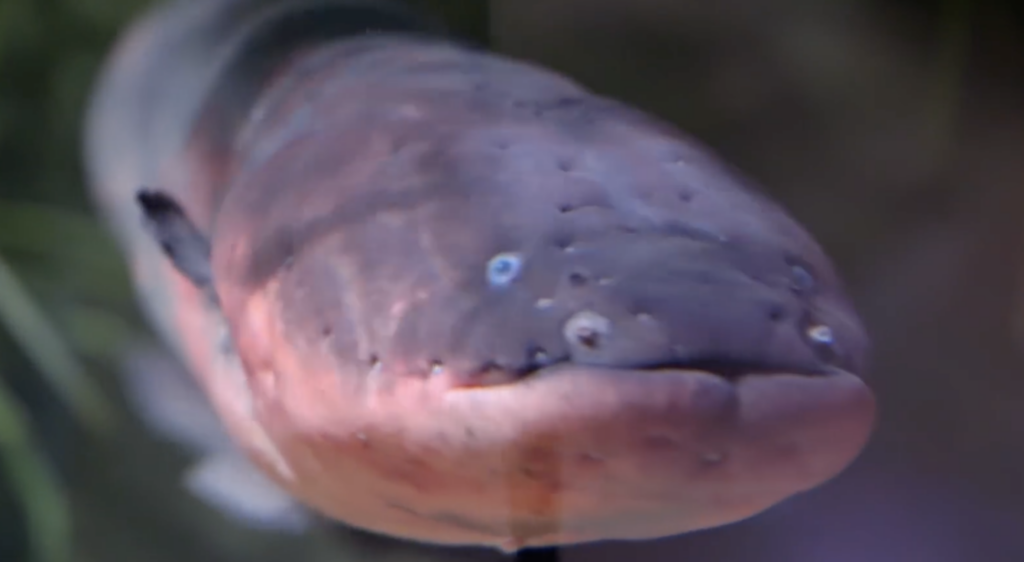
These fish can grow to around 2 meters or more and possess specialized electric organs containing thousands of cells capable of generating electrical charges. Their electricity is primarily used for hunting, defense, and sensing their surroundings.
Scientists once considered electric eels mostly solitary animals, but researchers have observed groups of Volta’s electric eels cooperating while hunting. Large groups can surround prey and deliver repeated electrical discharges.
For a human in the water, the greatest danger may not be the electricity itself but what happens afterward. A powerful shock can cause sudden muscle contractions, loss of control, or unconsciousness. If that happens while you are swimming, drowning becomes an immediate threat.
That is why entering electric eel habitat alone is a particularly bad idea. If someone is nearby, they may be able to pull you from the water quickly if you become incapacitated.
If you notice electric eels nearby, avoid making sudden movements toward them. Electric eels have relatively poor eyesight and rely heavily on electrical signals and other senses to understand their surroundings.
The safest response is to create distance rather than deliberately approaching them. Do not attempt to touch, corner, or capture one, because a frightened eel can use its electrical discharge as a defense.
If you are already surrounded, look for a clear route toward shallow water or land and move away without deliberately disturbing the fish. Avoid reaching toward them or trying to push them aside with your hands.
Remember that electric eels must surface to breathe air, so they can remain active near the surface even after moving away from you. Reaching into the water to investigate them is therefore a needless risk.
Their electricity is an extraordinary natural defense, but it is not something the fish can use without limits. Producing powerful discharges requires energy, and electric eels must constantly balance hunting, defense, and survival in their difficult environment.