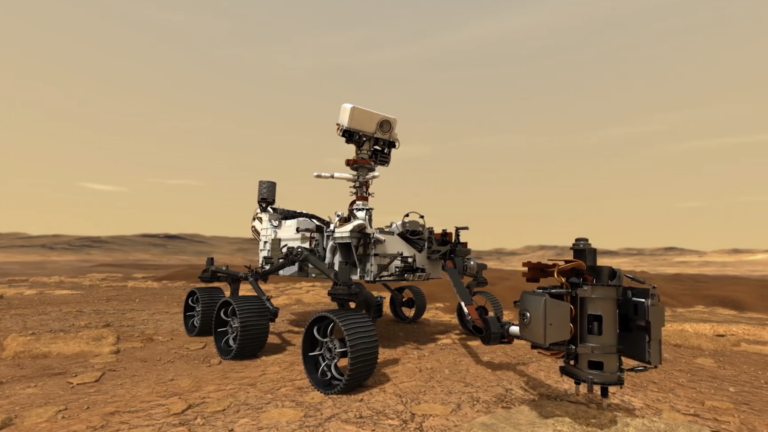
NASA’s Perseverance rover has found complex carbon based molecules in ancient dried up river deposits on Mars, adding to growing evidence that the planet once had the right conditions to support life.
These organic compounds were discovered in Jezero Crater, an area that was once filled with a lake and fed by flowing rivers billions of years ago. The presence of these molecules in sedimentary rocks formed in water is especially important because on Earth, similar environments often preserve traces of microbial life.
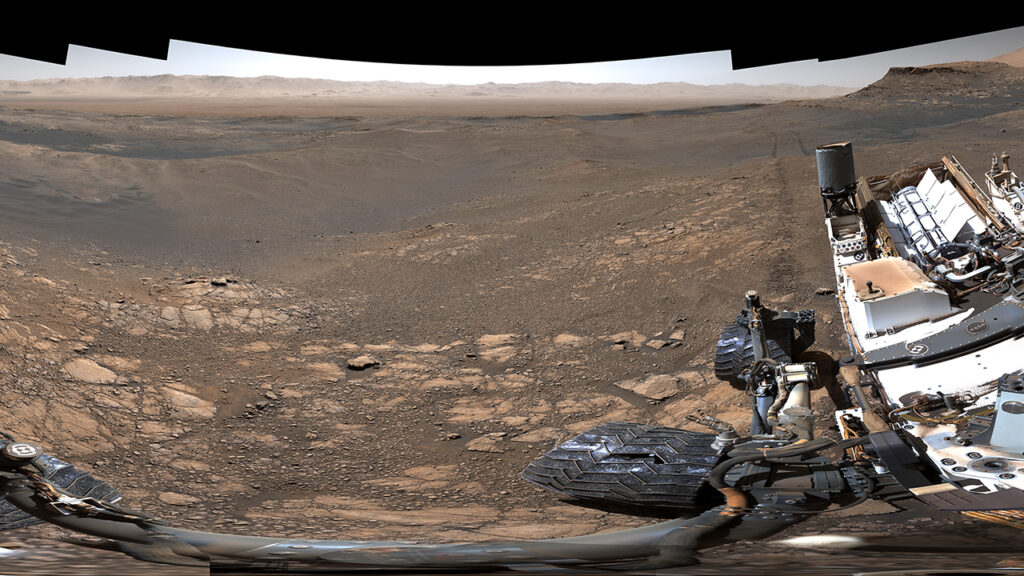
What makes the discovery even more interesting is that similar organic materials have also been detected by NASA’s Curiosity rover in a completely different region of Mars, thousands of miles away. This suggests that the chemical ingredients for life may not have been limited to one location, but may have been widespread across the planet when Mars was warmer and wetter.
In both cases, the rover instruments identified a mixture of carbon compounds along with elements like sulfur, iron, and phosphorus, which are commonly associated with environments that can support biology on Earth.
Scientists explain that these molecules are not proof of life. Organic chemistry can form through non biological processes such as volcanic activity, meteor impacts, or natural reactions between water and rocks. However, the diversity and complexity of the compounds found so far make Mars more intriguing than ever.
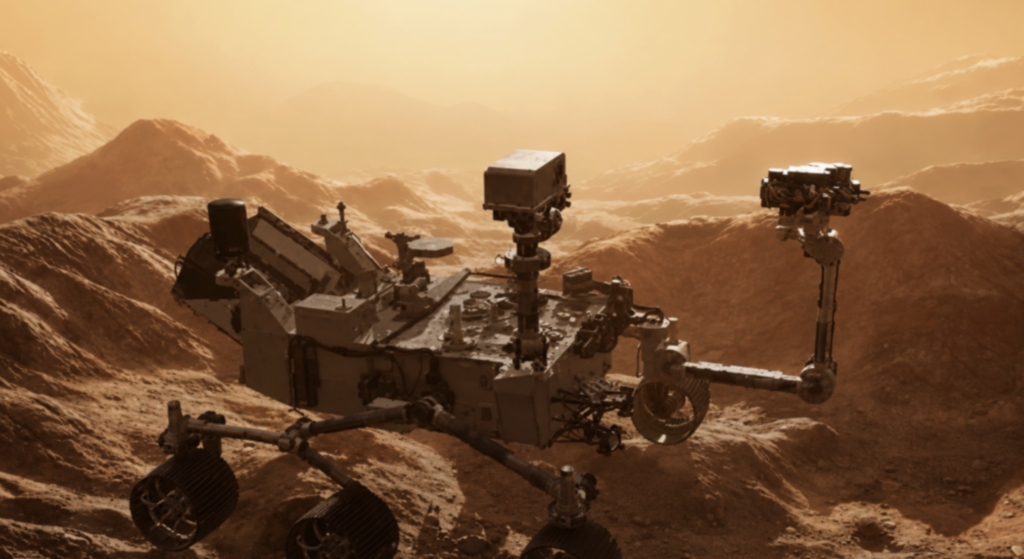
Some of the molecules detected resemble long chain carbon structures that on Earth are often linked to biological systems, including the building blocks of cell membranes.
Because both rovers have found similar evidence in ancient lake and river environments, researchers believe that Mars may have once been globally habitable at least for microbial life. If anything ever lived there, it would most likely have been simple single celled organisms similar to bacteria or microbes that survive in extreme environments on Earth today.
These organisms could have lived in shallow lakes, underground water systems, or within porous rocks where liquid water and chemical energy were available.
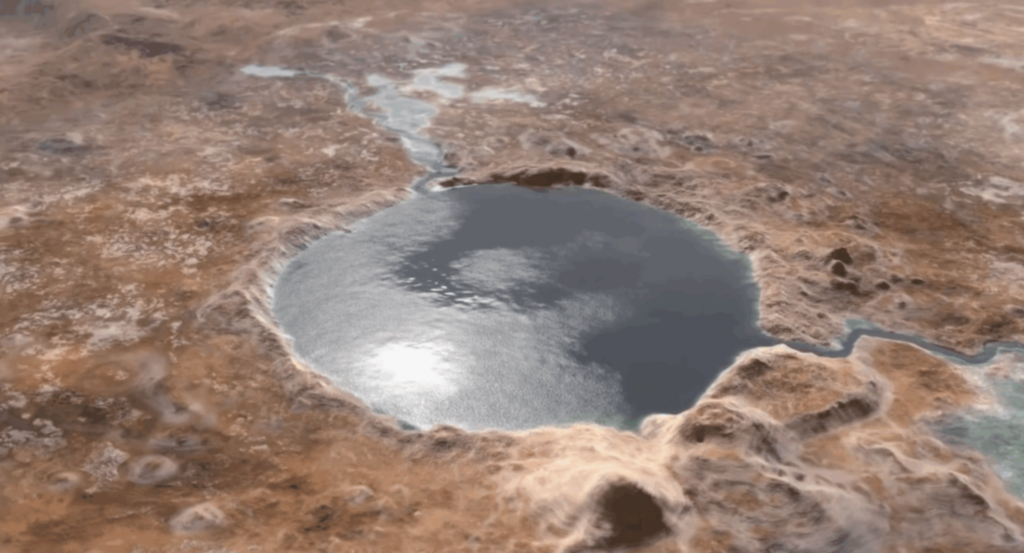
Even though no direct signs of past life have been confirmed, the findings strongly support the idea that Mars had all the essential ingredients needed for life as we know it.
The biggest challenge now is that the rovers cannot fully determine whether these molecules are biological in origin. That requires samples to be brought back to Earth, where advanced laboratory equipment can analyze them in far greater detail.
NASA has already collected and sealed samples from Mars for a future return mission planned for the coming decade. Until those rocks are studied on Earth, scientists can only continue analyzing the chemical clues left behind on the Martian surface.
Still, each discovery brings us closer to answering one of the biggest questions in science, whether life ever existed beyond Earth.