Elephants are often seen as gentle giants, known for their intelligence, close family bonds, and remarkable memory. But when conflicts between humans and elephants escalate, the results can be devastating for both sides.
Few cases illustrate that better than the story of a rogue elephant that terrorized villages in India’s Assam state during the mid-2000s.
Standing roughly 10 feet (3 meters) tall, the tuskless bull became infamous after destroying hundreds of homes and killing dozens of people. Local residents gave it the nickname “Osama Bin Laden,” comparing the animal’s trail of destruction to the world’s most wanted terrorist at the time.
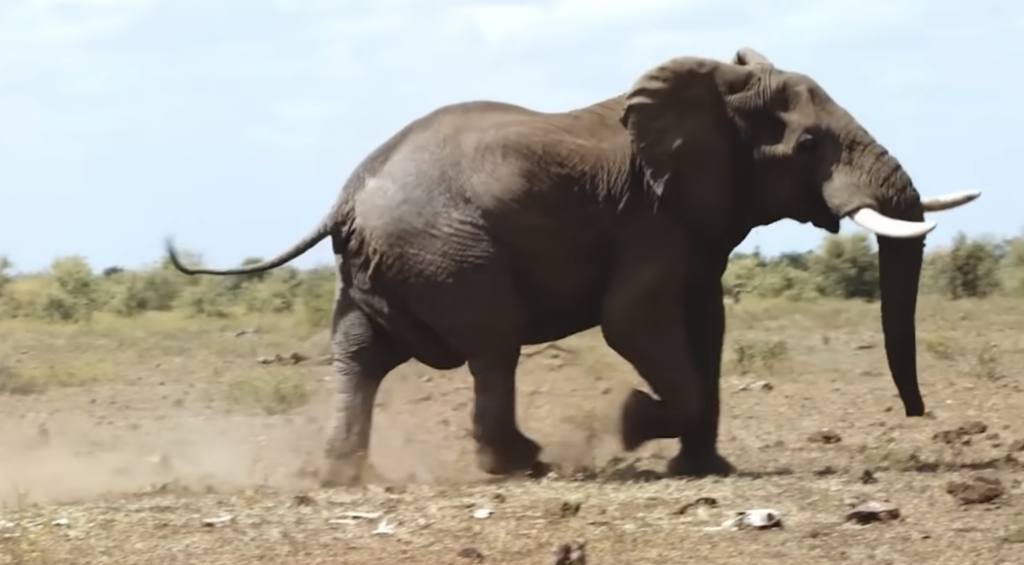
For nearly two years, the elephant spread fear across rural communities.
Villagers lived with the constant threat of nighttime raids. Homes built from bamboo and wood were easily smashed apart as the massive bull wandered through settlements searching for food. Fields were destroyed, property was flattened, and anyone caught in its path faced a terrifying encounter.
During one particularly deadly month, the elephant reportedly trampled 14 people to death.
By the time authorities decided to act, it had been linked to the deaths of at least 27 people, making it one of the deadliest rogue elephants in the region.
Exactly what caused its aggressive behavior remains uncertain.

Wildlife experts point to several possible explanations. Expanding human populations have dramatically reduced elephant habitat across many parts of India, forcing animals into closer contact with villages and farmland. Competition for food and territory often leads to dangerous encounters.
Another possible factor is a biological condition known as **musth**.
During musth, adult male elephants experience an enormous surge in testosterone, sometimes reaching levels many times higher than normal. Bulls in this state can become highly aggressive, more territorial, and less predictable than usual. Whether habitat loss, musth, or a combination of factors triggered the attacks is impossible to know for certain.
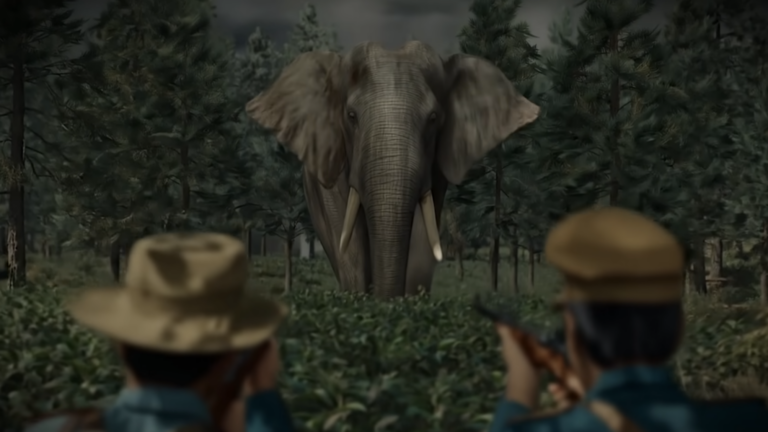
Eventually, wildlife officials tracked down a tuskless elephant at a tea plantation more than 50 miles (80 kilometers) from the areas where the attacks had mostly occurred. The animal was shot and killed, bringing an apparent end to the deadly rampage.
But the controversy was only beginning.
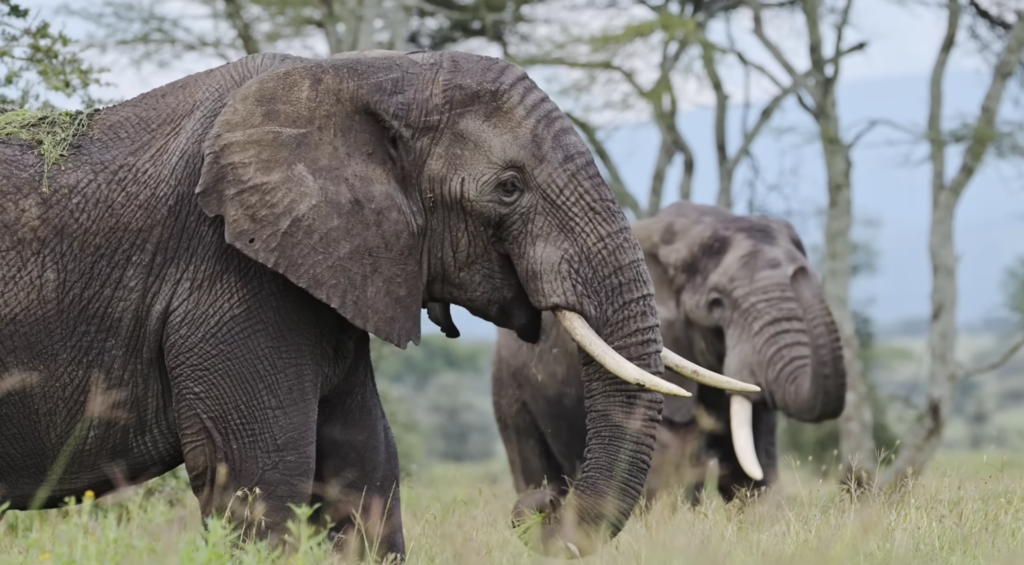
Almost immediately, conservationists and local residents questioned whether authorities had killed the correct elephant. Critics pointed out that although the animal lacked tusks like the notorious bull, officials failed to collect detailed measurements or preserve footprint evidence before burying the carcass.
Without those records, there was no definitive proof that the elephant responsible for the attacks had actually been identified.
Its location also raised doubts, since it was found far from its usual range.
The uncertainty fueled protests, with many believing an innocent elephant may have been killed while the real culprit remained free.
Adding to the unease, only days after the shooting, a group of elephants damaged homes near the site where the bull had been killed. Some villagers feared the herd was reacting to the loss of one of its members, though experts cautioned that elephants frequently move through such areas for food and that the timing may simply have been coincidental.
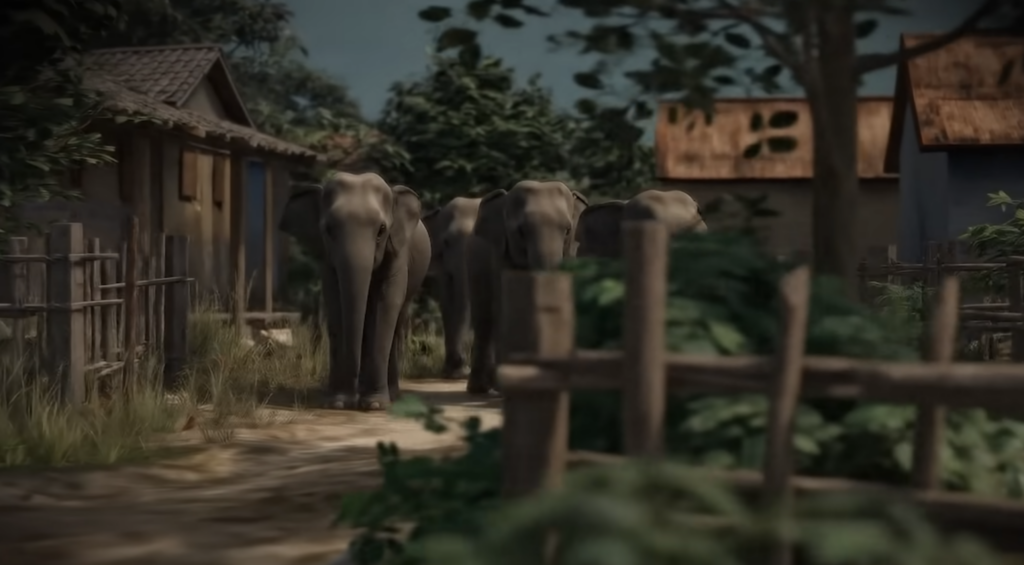
Interestingly, this wasn’t the last elephant in India to receive the nickname “Osama Bin Laden.” Over the years,
several aggressive bulls earned the same label after repeated attacks on villages.
Although such incidents receive widespread attention, they remain uncommon compared to the millions of peaceful interactions between people and elephants each year. If you ever encounter a wild elephant at close range, experts recommend creating as much distance as possible. Taking shelter behind large obstacles, climbing sturdy trees when practical, or moving into deep ditches may improve your chances of avoiding a direct charge, while trying to outrun an elephant across open ground is rarely a good option.