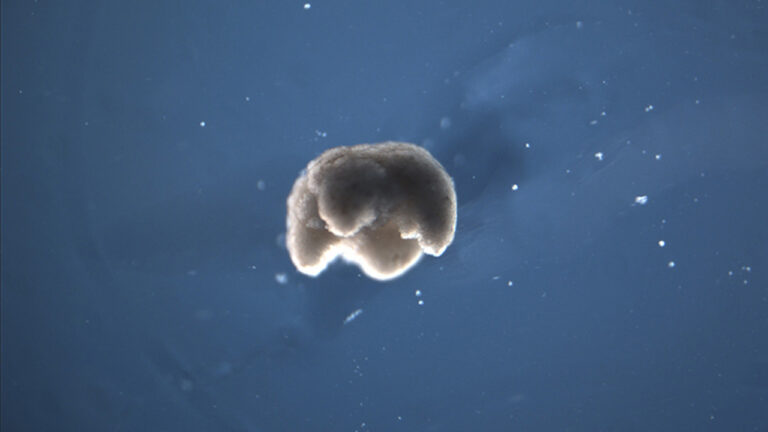
It sounds like something straight out of science fiction, but researchers have already created what many call the world’s first living robot. Instead of being built from metal, plastic, and computer chips, these tiny machines are made entirely from living cells.
Known as xenobots, they blur the line between biology and robotics, opening the door to an entirely new type of technology. Developed by scientists at the University of Vermont, Tufts University, and the Wyss Institute for Biologically Inspired Engineering, xenobots are unlike anything that existed before.
They are living, programmable organisms designed to carry out simple tasks while possessing remarkable abilities that ordinary robots simply cannot match.
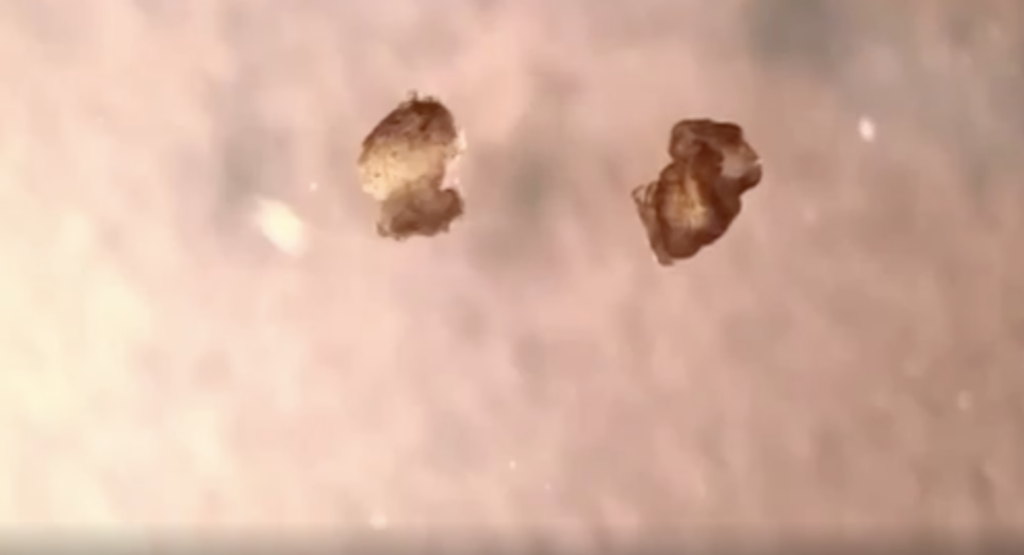
One of the most fascinating features of xenobots is that they can move independently, transport tiny objects, work together in groups, and even repair themselves after being damaged. If one of these microscopic organisms is cut or injured, it can naturally heal, allowing it to continue functioning without human intervention.
This self healing ability makes xenobots especially unique compared to traditional machines.
Despite their impressive capabilities, xenobots are incredibly small. Each one measures only about one millimeter across, making them barely visible to the naked eye. Their tiny size allows them to move through spaces that would be impossible for conventional robots to access.
Scientists believe xenobots could eventually have many practical applications. In medicine, they could be programmed to deliver drugs directly to a specific location inside the body, reducing side effects while improving treatment. Researchers also imagine xenobots helping remove dangerous plaque that builds up inside arteries, potentially lowering the risk of heart disease.

Beyond healthcare, xenobots may also become valuable tools for protecting the environment. Their ability to move through water and interact with microscopic particles could allow future versions to collect harmful microplastics from oceans, lakes, and rivers.
Since xenobots are made from natural living cells, they eventually break down instead of leaving behind electronic waste or pollution.
Creating these living robots required an unusual combination of biology and computer science. Researchers used stem cells taken from African clawed frog embryos. Two different types of cells played important roles in the design.
Skin cells formed the body’s structure, while heart muscle cells naturally contracted, creating the movements that allowed the xenobots to crawl or swim.
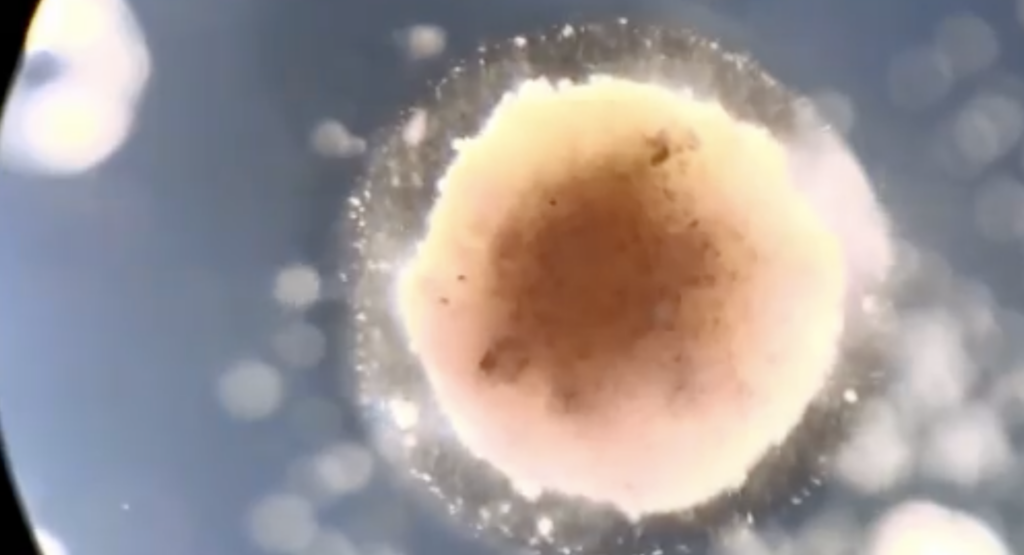
The arrangement of these cells determines how each xenobot behaves. By changing the placement of the skin and heart cells, scientists can create living robots with different shapes, movement patterns, and abilities. Powerful computer simulations help researchers identify the most effective designs before the cells are assembled in the laboratory.
Unlike traditional robots that require batteries or charging stations, xenobots have a naturally limited lifespan. They survive for only a few weeks by using the energy stored inside their cells. Once that energy runs out, they simply decompose into harmless biological material, leaving no toxic waste behind.
Although xenobots are still in the early stages of research, they represent a major breakthrough in synthetic biology and robotics.
Scientists continue to explore how these living machines can safely assist in medicine, environmental cleanup, and scientific research. As the technology advances, the idea of future robots combining living tissues with engineered designs may become less like science fiction and more like everyday reality.