Most of us think of contagious diseases as illnesses like the flu, the common cold, or strep throat. You catch them from someone else through viruses or bacteria. Conditions such as cancer, diabetes, heart disease, and Alzheimer’s are considered completely different. They are known as non communicable diseases because they are not thought to spread from person to person.
But some scientists believe the story may be more complicated than we once imagined. New research suggests that the microscopic organisms living inside our bodies could influence the development of certain chronic diseases, raising surprising questions about how these conditions begin.
The Hidden World Inside Your Body
Every human carries trillions of microscopic organisms. These include bacteria, fungi, viruses, and other tiny life forms that live on the skin, in the mouth, and especially inside the digestive system.
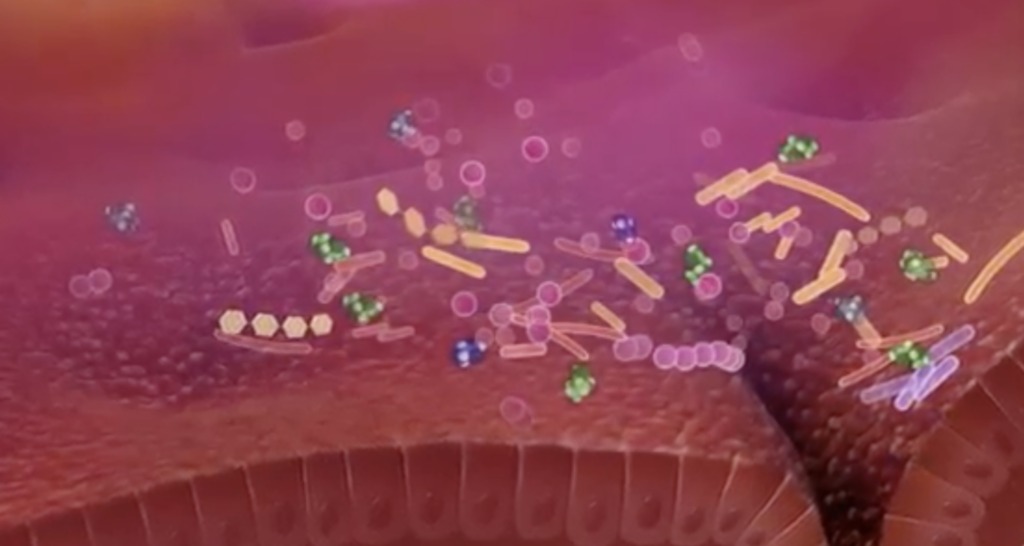
Together, they form what scientists call the microbiome. Rather than being harmful, many of these microbes perform essential jobs. They help digest food, produce important nutrients, train the immune system, and even influence brain function.
Each person’s microbiome is unique, almost like a biological fingerprint. Researchers are now discovering that the balance of these microbes may play a much larger role in health than anyone expected.
Can Microbes Influence Disease?
Scientists have been investigating whether changes in the microbiome could contribute to diseases that were never thought to involve microbes.
In one well known experiment, researchers transferred gut microbes from obese mice into healthy mice. After receiving the new microbiome, the previously healthy animals began gaining weight despite not having the same genetic background as the donor mice.
Other research has linked changes in the microbiome with conditions such as type 2 diabetes, certain cancers, heart disease, and even Alzheimer’s disease. These studies do not prove that microbes directly cause these illnesses, but they suggest they may influence how they develop or progress.
Can Microbiomes Be Passed Between People?
The microbiome is not completely isolated. Scientists already know that microbes can move from one person to another in several ways.
A mother passes many of her microbes to her baby during pregnancy, birth, and breastfeeding. People living in the same household often share many of the same microorganisms through close contact and shared environments.
Microbes can also spread through contaminated food, water, and poor sanitation. This movement of bacteria between people is already well documented.
The important question is whether these transferred microbes could someday influence another person’s long term health.
What Scientists Are Saying
Researchers are not claiming that cancer or diabetes can be caught the same way someone catches the flu. There is currently no evidence that simply being near someone with these diseases will cause another person to develop them.
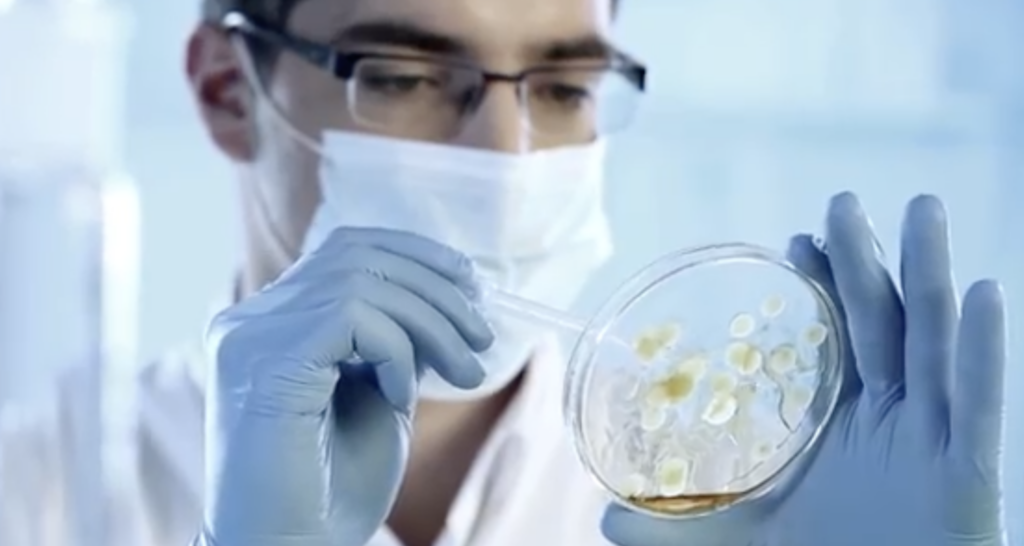
Instead, scientists are exploring whether certain microbial communities could increase or decrease the risk of developing chronic illnesses under specific circumstances.
If future research confirms this connection, it could completely change the way doctors think about preventing disease. Treatments might focus not only on genes and lifestyle, but also on restoring healthy microbial communities inside the body.
For now, much remains unknown. The microbiome is one of the most complex ecosystems ever studied, and researchers are only beginning to understand how deeply it influences human health.
One thing is becoming increasingly clear. The tiny organisms living inside us may have a far greater impact on our future than anyone once believed, opening an entirely new chapter in the science of disease.