For most of history, shadows have been seen as the absence of light. They cool us down on hot days, hide objects from view, and signal that the Sun has moved across the sky. But what if shadows could do something far more surprising? What if they could generate electricity?
It may sound like science fiction, but researchers have developed an experimental technology that can produce electrical power from the contrast between light and darkness. Instead of treating shadows as wasted space, scientists are beginning to see them as a completely new source of renewable energy.
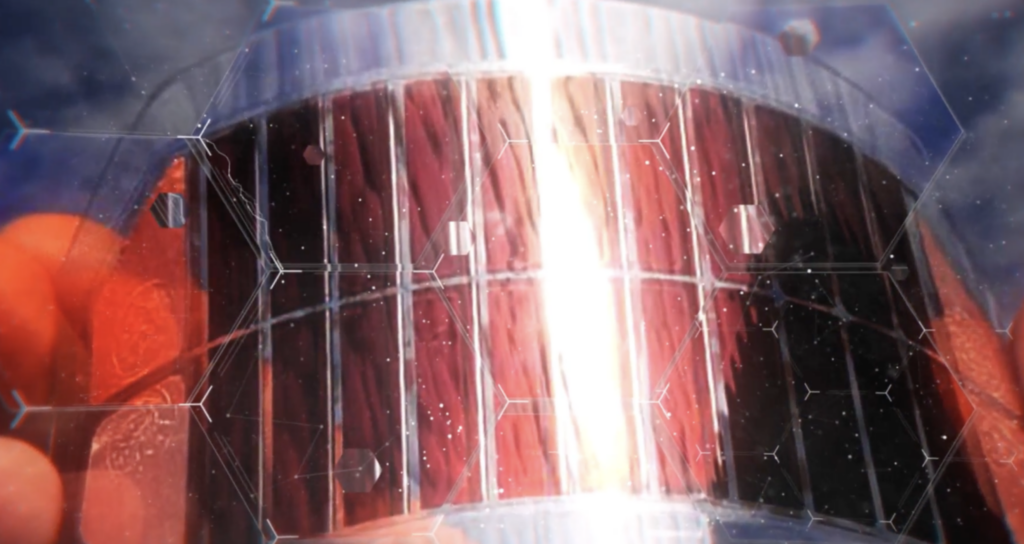
The technology is called a shadow effect energy generator, or SEG. Unlike a traditional solar panel that collects energy directly from sunlight, an SEG generates electricity where bright light meets shadow. It is essentially designed to harvest the difference between illuminated and shaded areas.
The device looks somewhat similar to a solar cell. It uses a thin silicon wafer mounted on a flexible plastic base. However, one important difference makes it work in a completely different way. The silicon surface is coated with a thin layer of gold.
When part of the device is exposed to light while another part remains in shadow, electrons begin moving between the silicon and the gold because each material holds electrons differently. This imbalance creates a voltage difference across the device, allowing electricity to flow.

The effect is strongest when one section of the panel is brightly lit while another section is shaded. Instead of trying to eliminate shadows, this technology actually depends on them to produce energy.
One of the most exciting discoveries is how well these devices perform in environments where shadows constantly move. Passing clouds, swaying tree branches, people walking by, or nearby buildings can all create changing patterns of light and darkness. Under these conditions, researchers found that shadow effect generators can outperform conventional solar cells when responding to shifting shadows.
That does not mean shadow panels are ready to replace solar panels. At least not yet.
The biggest limitation is the amount of electricity they currently produce. Today’s prototypes generate only tiny amounts of power. To supply enough electricity for a typical home using current technology alone, the required surface area would cover roughly 300,000 square meters, or about 45 football fields. Clearly, that is not practical.

Still, every major energy technology starts somewhere. Early solar panels were also expensive, inefficient, and produced far less electricity than modern versions. Decades of engineering transformed them into one of the fastest growing renewable energy sources in the world. Scientists hope shadow generators could follow a similar path as their designs improve.
Rather than replacing solar panels, shadow technology could work alongside them. Solar panels perform best in full sunlight, while shadow generators thrive wherever light and shade constantly interact. Together, they could capture energy under a wider variety of conditions, making renewable power systems even more efficient.
One particularly interesting advantage is that these devices do not require direct sunlight. Indoor lighting naturally creates countless shadows throughout homes, offices, shopping centers, and factories. Future versions of the technology could be built into walls, ceilings, or even wallpaper, quietly generating electricity from the changing light inside buildings.
Researchers also imagine integrating flexible shadow generators into clothing. Every movement of your body changes how light falls across fabric, creating thousands of tiny shifting shadows throughout the day. While the energy output would be small, it could eventually be enough to help power wearable electronics, health sensors, or even keep a smartphone topped up during daily activities.
The technology is still in its early stages, and significant improvements are needed before anyone can power an entire house with shadows alone. But the underlying science has already shown that darkness is not simply the absence of energy. In the right conditions, it can become part of the energy itself.
If researchers continue improving efficiency and reducing costs, the places we once ignored could become valuable sources of clean electricity. One day, the shadows cast across your walls, your street, or even your clothes might quietly help power the devices you rely on every day.
The future of renewable energy may not depend only on chasing the brightest sunlight. It could also depend on learning how to capture the hidden power that exists wherever light and darkness meet.