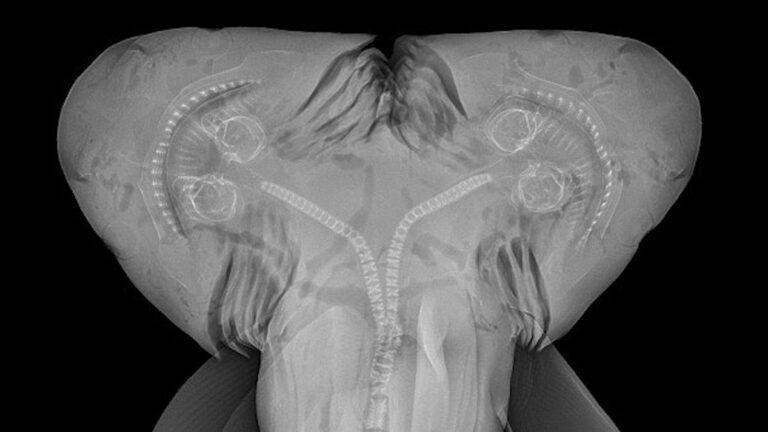
The idea sounds like something pulled straight from a disaster film. A shark with two heads moving through the ocean, defying everything we know about marine biology. Yet reports of two headed sharks have been documented in multiple regions around the world, raising questions among scientists about what is really happening beneath the surface.
In recent years, unusual shark embryos and fetuses with duplicated heads have been discovered in places such as Florida, Mexico, and parts of the Indian Ocean. While these cases are extremely rare, their appearance has been enough to spark concern and curiosity within the scientific community.
Despite how dramatic it sounds, experts stress that this is not evidence of a new ocean predator emerging. Instead, it is a biological anomaly, one that usually occurs before birth. Most of these embryos do not survive long enough to become fully developed sharks, which makes research into the condition difficult and limited.
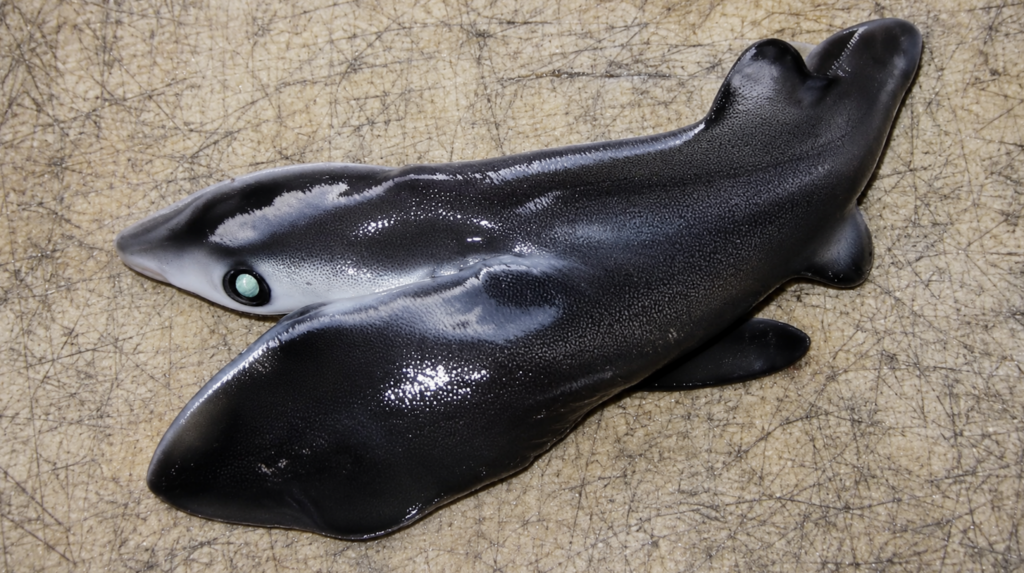
Still, the question remains. Why are these mutations being recorded at all, and why now?
A rare but real biological phenomenon
Two headed sharks are not a new discovery. Cases have been recorded sporadically for decades, often appearing as isolated scientific findings rather than a trend. What has changed in recent years is the number of documented reports, which some researchers say may reflect improved monitoring and more accessible scientific communication.
In many cases, these sharks are found during routine fishing activities or scientific surveys. They are usually embryos or very young specimens, indicating that the abnormality occurs during early development.
Scientists explain that this condition is known as axial duplication, a developmental error where the embryo begins to form two heads instead of one. The exact triggers for this process are still not fully understood, but it is believed to involve disruptions in early genetic instructions.
Environmental stress and possible causes
One theory being explored is environmental stress. Marine ecosystems are under increasing pressure from pollution, climate change, and human activity. These stressors can affect reproductive cycles and early development in sensitive species like sharks.

Another factor under discussion is over fishing. Global shark populations have declined significantly over the past century, with some estimates suggesting reductions of up to ninety percent in certain regions. As populations shrink, the remaining sharks may face reduced genetic diversity. In theory, this can increase the likelihood of developmental issues, although scientists caution that direct links to two headed embryos have not been conclusively proven.
Reduced population density can also force more isolated breeding conditions, which may influence genetic stability over time. However, researchers emphasize that shark reproduction is complex and varies widely between species, making broad conclusions difficult.
More reports or more visibility
Not all scientists agree that two headed sharks are becoming more common. Some argue that the apparent increase in reports is due to better documentation rather than an actual rise in cases.
In the past, unusual specimens may have gone unnoticed or unreported. Today, with digital databases, mobile phones, and global scientific networks, rare findings are more likely to be recorded and shared. This creates the impression of a growing pattern even if the underlying frequency has not changed.
As one perspective in the scientific community suggests, it may not be that these sharks are appearing more often, but that we are simply paying closer attention to anomalies that were always present.
Why these sharks rarely survive
One of the most important facts in this discussion is survival. Two headed shark embryos almost never reach maturity. The duplication of vital structures creates severe complications, often preventing proper development of organs, movement, and feeding behavior.
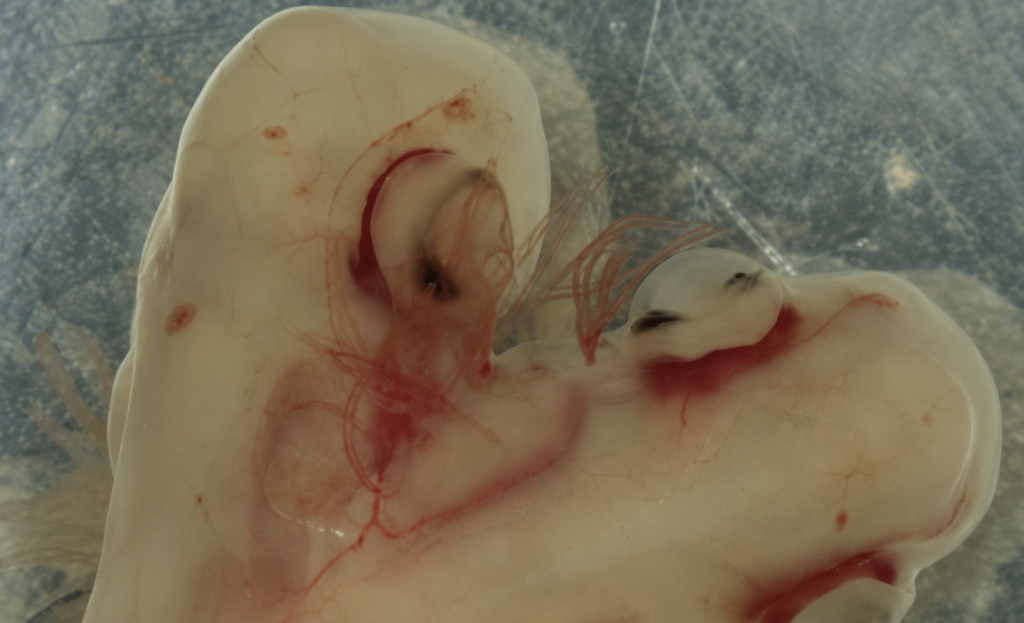
Because of this, scientists rarely encounter fully formed two headed sharks in the wild. Most evidence comes from embryos discovered after fishing nets accidentally capture pregnant females. This limits the ability to study the phenomenon in natural conditions and makes it difficult to determine long term outcomes.
What this means for ocean life
Although the idea of two headed sharks may sound alarming, researchers stress that it does not indicate a new threat to humans or a sudden change in ocean behavior. Instead, it highlights the complexity of marine development and the sensitivity of ocean ecosystems to environmental change.
Sharks already face numerous threats, including habitat loss, fishing pressure, and changing ocean temperatures. These broader issues remain far more significant than rare genetic anomalies.

Still, unusual cases like these serve as reminders of how much remains unknown about life beneath the surface. Every rare discovery adds another piece to the puzzle of marine biology, even when the answers are incomplete.
A mystery still unfolding
For now, two headed sharks remain one of the ocean’s strangest documented phenomena. Scientists continue to investigate whether these cases are purely random developmental errors or whether environmental factors are playing a larger role than currently understood.
What is clear is that the ocean still holds many mysteries, some unsettling, others simply strange. And as research continues, each discovery challenges our assumptions about what is normal in the natural world and what is still waiting to be explained.