How fast can a lion kill you? In the right circumstances, it can happen frighteningly quickly. Lions can reach speeds of around 50 mph, leap more than 30 feet, and overpower animals much larger than humans. Their powerful jaws and muscular bodies make them one of Africa’s most formidable predators.
But being at the top of the food chain comes with a darker side. Lions face serious threats from humans, including habitat loss, poaching and trophy hunting. The 2015 killing of Cecil, a 13 year old African lion, by an American trophy hunter sparked international outrage and renewed attention on the dangers facing wild lion populations.
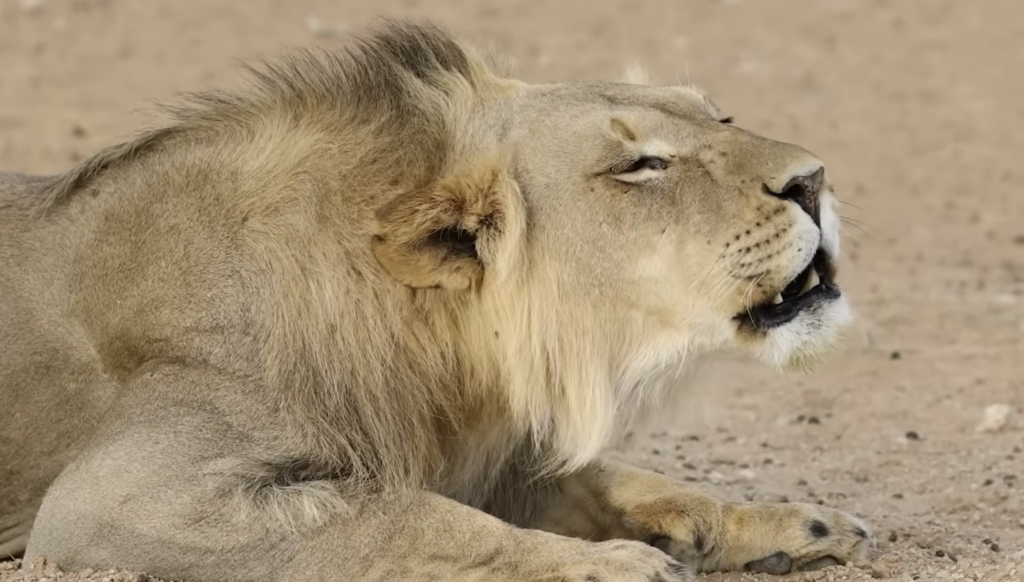
Most lions do not hunt humans, and attacks are relatively rare. They can happen, however, when people enter their territory, disturb them or underestimate how dangerous even captive or habituated lions can be. Some lions have also developed a preference for human prey, including the infamous man eaters of Tsavo in Kenya and Njombe in Tanzania.
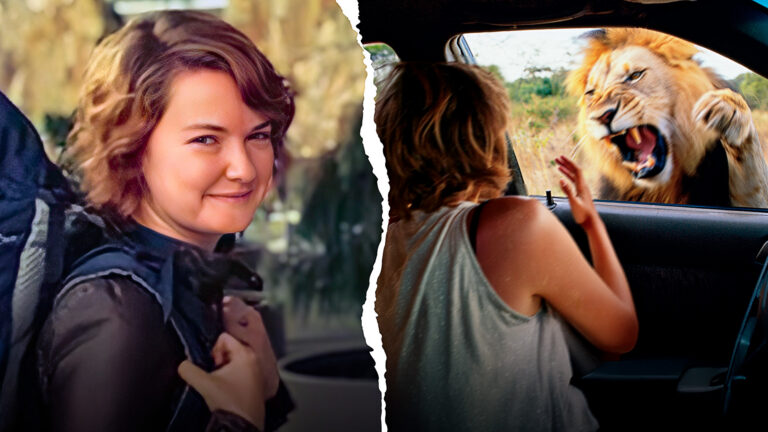
One tragic attack involved 29 year old Kate Chappell, a talented visual effects artist who had worked on major productions including Captain America, Godzilla and Game of Thrones. In 2015, she was volunteering at a wildlife preserve in South Africa, helping protect endangered animals from poachers.
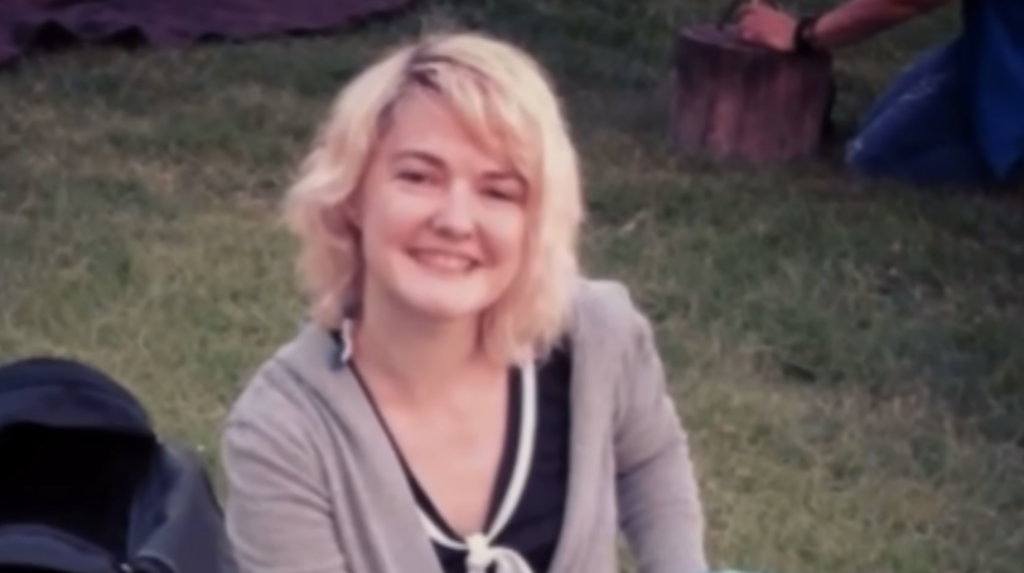
During a day off, Kate visited the Lion and Safari Park near Johannesburg. The park allowed visitors to drive through large enclosures where lions and other animals roamed freely, but guests were repeatedly warned to keep their windows closed.
Kate was riding as a passenger while her guide, Pierre Potgieter, drove through the park. As a pride of lions moved nearby, Kate reportedly rolled down her window to take a photograph.
It was a decision that would have devastating consequences.
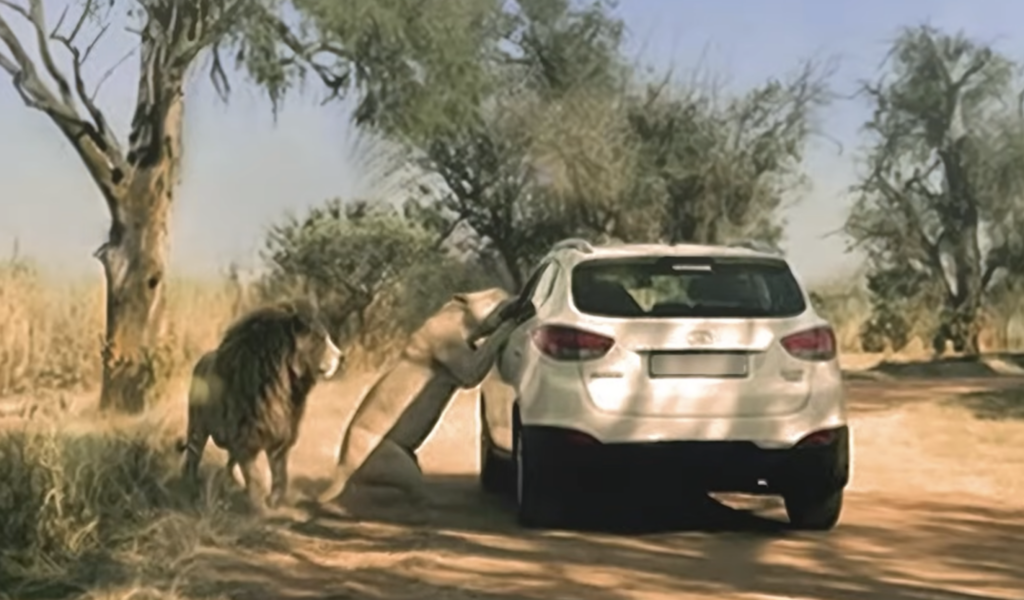
A visitor in another vehicle, Ben Govender, captured a photograph of a lioness standing against Kate’s car. Other vehicles began honking as people realized something was happening, but the lioness had already approached the open window.
The lioness lunged into the vehicle and bit Kate on the shoulder. An adult lioness can exert enormous pressure with its jaws, and the attack caused catastrophic injuries.
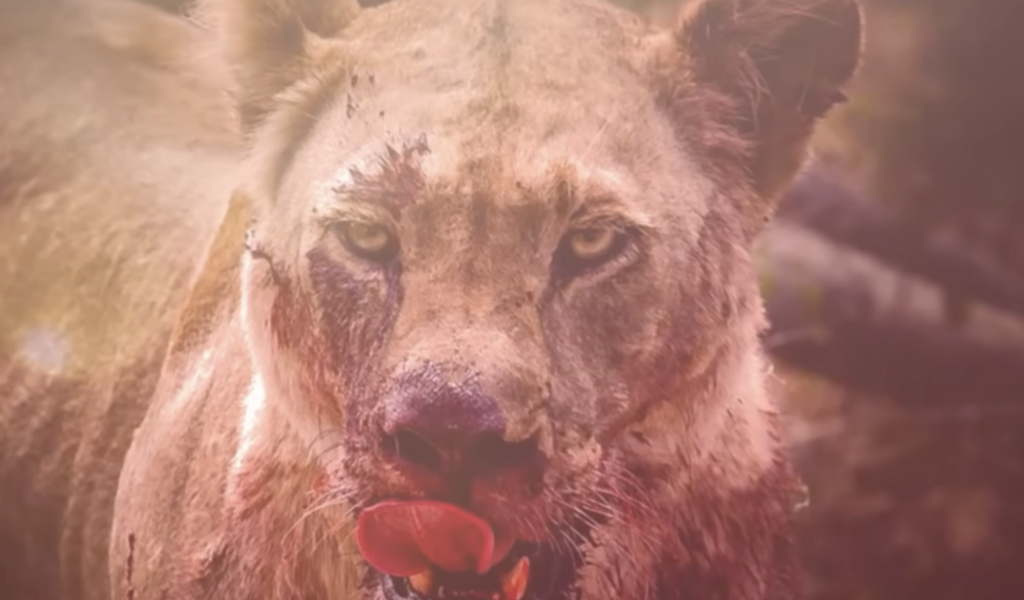
For a brief moment, the animal backed away. Blood dripped from its mouth as it stared at the car with Kate’s window still wide open.
Then it attacked again.
Potgieter immediately tried to protect Kate. He threw himself across the vehicle and attempted to fight the lioness away, but the massive predator was far stronger than he was. During the struggle, Potgieter injured his arm while trying to save his passenger.
Eventually, the lioness retreated. Potgieter desperately tried to control Kate’s bleeding by applying pressure to her wounds, but she had lost too much blood. By the time emergency responders arrived, it was too late.
Kate’s death shocked her family, friends and the international film community. It also placed the safari park under intense scrutiny, particularly because the incident was not the first serious attack involving a visitor opening a vehicle window.
Just two months earlier, an Australian tourist named Brendan Smith had reportedly been mauled by a lion at the same park. He survived and later acknowledged that he should never have opened the window.
Wildlife experts have repeatedly emphasized that lions raised around humans are still wild animals. Kevin Richardson, known as the Lion Whisperer, has warned that lions in parks can lose some of their natural fear of people, making careless interactions especially dangerous.
Following Kate’s death, the lioness was not euthanized. Instead, it was relocated to a remote section of the park away from tourists.
Kate’s story remains a tragic reminder that safari rules are not suggestions. When visitors are told to keep their windows closed, the instruction exists for one simple reason: the vehicle may be the only thing standing between a tourist and a wild predator.