In 2018, a British woman named Holly spent a day in the sun in Tenerife, Spain.
That evening she noticed her face beginning to swell, so she did the most natural thing imaginable and took a shower. It made everything worse.
A few days later she woke up and could not open her eyes at all. Holly genuinely believed she was going blind.
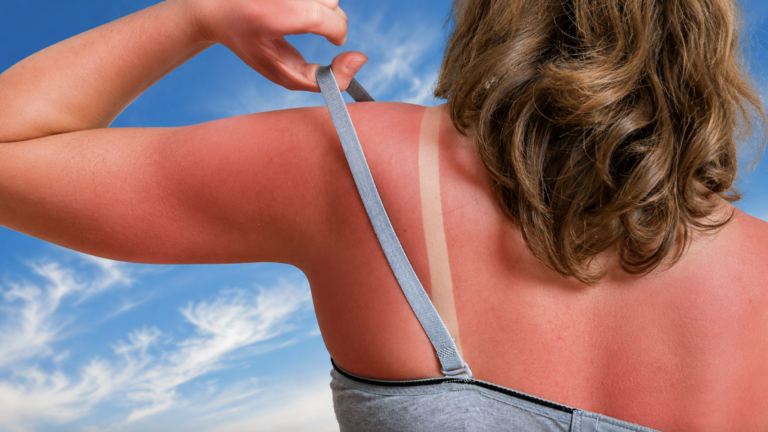
What she had was sun poisoning, essentially an allergic reaction to overexposure to UV rays and solar radiation. It brings blisters, a rash across the burned skin, dehydration, dizziness, headaches, nausea, and even fever.
And it is far more common than most people assume. Every year, one in three Americans gets sunburned, and prolonged exposure combined with repeated burns raises the risk of skin cancer, which is the most common cancer there is. Around 5 million people in the U.S. are treated for it annually.
So how do you protect yourself, and why exactly was that shower such a mistake?
Step 1. Drink water
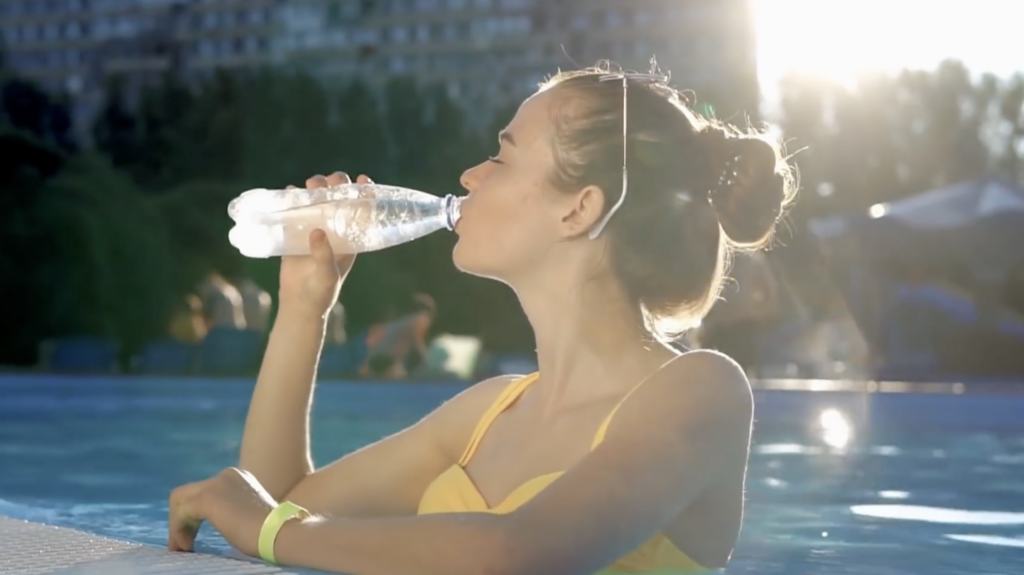
If you plan to spend the day outside, hydration is not optional.
Severe sunburn causes dehydration, which strips your body of its ability to cool itself, because there is no water left to sweat out. Your temperature climbs and your body starts overheating.
Stay in the sun long enough and your skin heats past the point where it can hold hydration at all. At that stage you may need several days in hospital just to restore your electrolyte levels.
Step 2. Do not use soap
Here is the mistake Holly made, and it is one almost everyone would make.
If you or someone near you shows symptoms of sun poisoning, get to a cool location immediately and apply cold damp compresses. Do not wash the skin with soap or over the counter creams, because those can seal the heat into the skin.
Worse, if you already have blisters, soap and lotions can infect them.
Use aloe vera gel instead, applied gently over the blisters and skin. And if the person seems confused or disoriented, get medical help fast.
Step 3. Choose the right sunglasses
Holly’s recovery took a week for the swelling to subside.
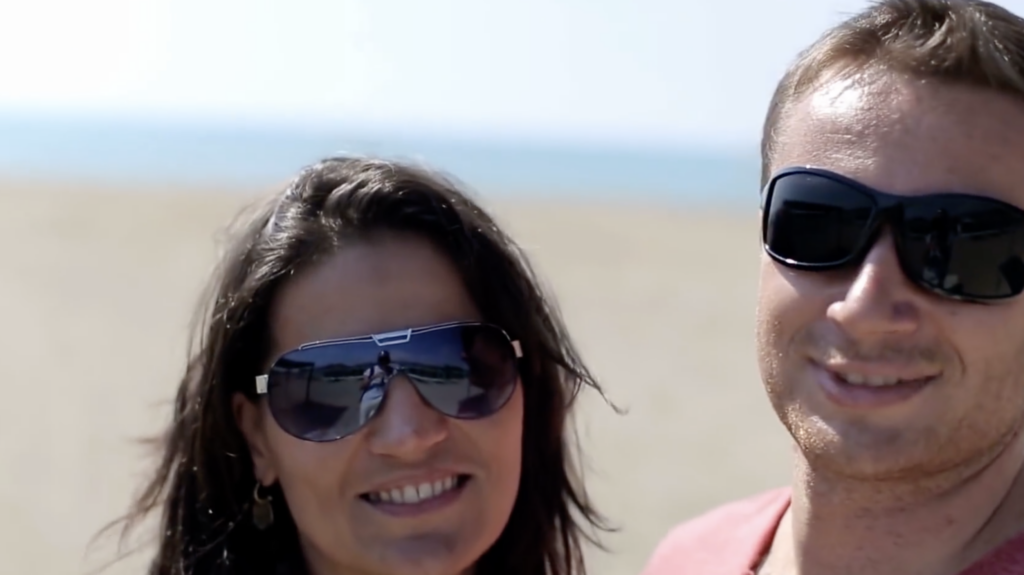
Afterward she became an advocate for wearing sunscreen at all times and using UV protective sunglasses, because the pair she had worn simply were not strong enough to shield her eyes through a full day in the sun.
Sunglasses are not a fashion accessory in strong sunlight. They are equipment, and the wrong pair offers almost nothing.
Step 4. Limit your exposure
Sun poisoning and severe sunburn hit hardest among people with pale skin, pale eyes, and blond or red hair. Babies and young children with those characteristics are especially vulnerable, and lighter complexions also carry higher skin cancer risk.
That said, complexion does not make anyone immune. Limit your exposure regardless, particularly between 11 a.m. and 3 p.m. when the sun’s rays are at their most intense.
Step 5. Take it seriously
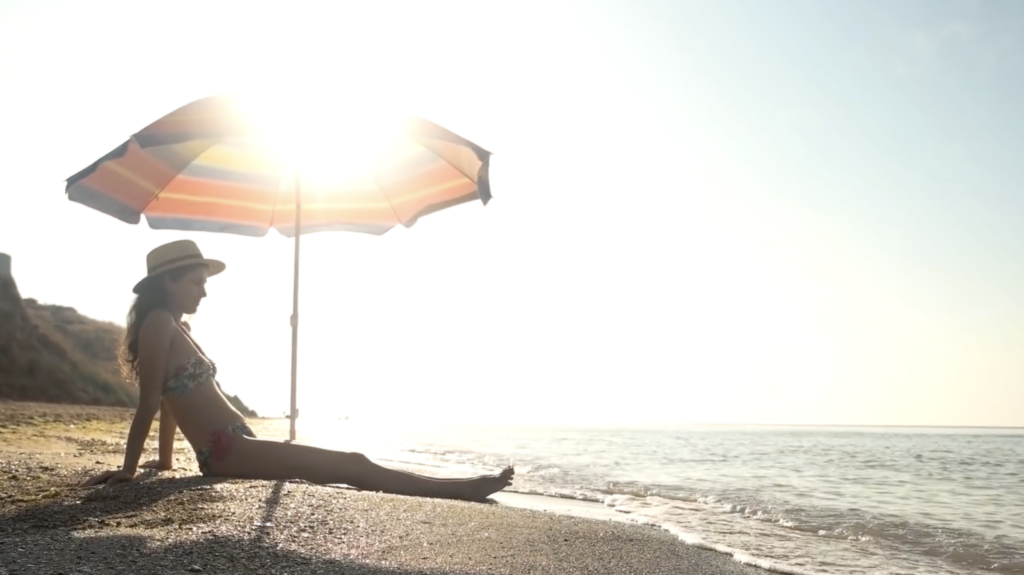
A little pink after time outdoors is an ordinary sunburn.
But if your skin turns red as dark as a strawberry, feels hot to the touch, or you start getting chills in the middle of a hot summer day, stop treating it as a joke. Those are the warning signs of sun poisoning.
Ignore them and complications follow, including loss of consciousness, at which point someone needs to call emergency services.
Holly recovered. Her eyes opened again, and the swelling faded after a week. But her story exists because a normal beach day and a normal shower were enough to nearly cost her sight.
Now that you know how to survive the sun, what about a waterslide? Sounds harmless enough. Although there is one slide out there so dangerous it took someone’s head off.