A walk in freezer is supposed to be a routine part of working in a restaurant. Employees enter, collect ingredients, check supplies, and walk back out. But when a safety mechanism fails, an ordinary task can become a deadly emergency.
For Nguyet Le, a 63 year old restaurant manager from Texas, that is exactly what happened while she was working at an Arby’s restaurant in New Iberia, Louisiana.
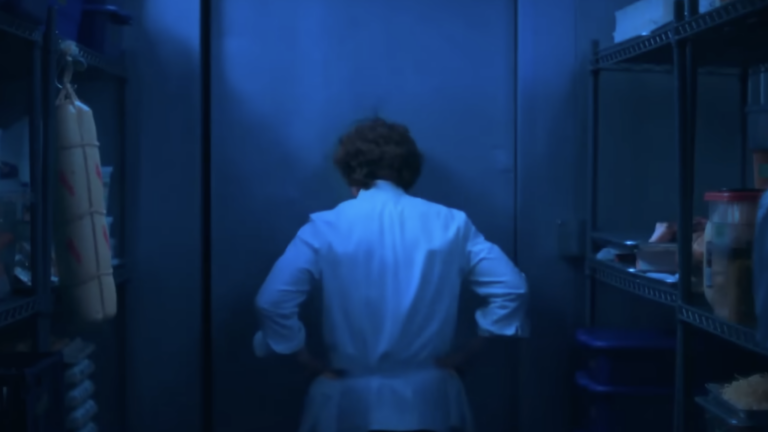
Le had recently been transferred to the location with her son. During one morning shift, she began performing her regular opening responsibilities as the floor manager. Part of her job involved checking the restaurant’s inventory. She entered the walk in freezer to inspect supplies such as bread and meat before the restaurant became busy.

The freezer was maintained at approximately minus 10 degrees Fahrenheit, or around minus 23 degrees Celsius. Spending a short amount of time inside such an environment is normally manageable when the door is functioning properly.
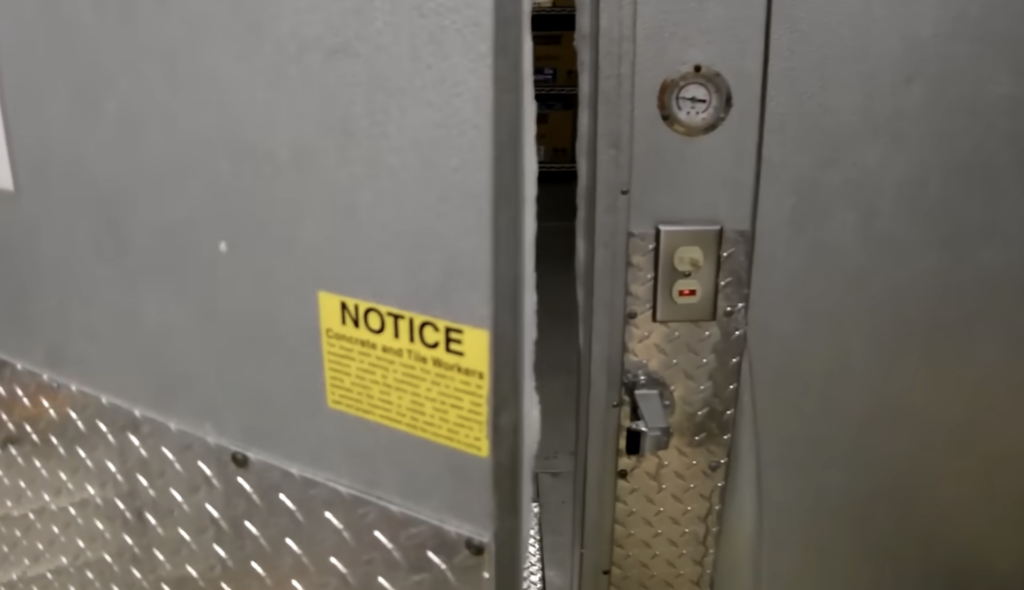
But Le did not know that the freezer had reportedly been experiencing problems with its door latch. When she finished checking the supplies and attempted to leave, the door would not open. She was trapped inside.
The situation became even more dangerous because the thick freezer door effectively isolated her from the rest of the restaurant. She also did not have her phone with her, leaving her with no obvious way to contact anyone outside.
Le began banging on the door in an attempt to attract attention. Unfortunately, nobody responded. A busy restaurant kitchen can be extremely loud, with cooking equipment, conversations, music, and other activity making it difficult to hear sounds coming from another room. Even repeated attempts to get someone’s attention were unsuccessful.
Hours passed. Le’s son, Nguyen, arrived for his evening shift later that day. He eventually discovered what had happened and found his mother inside the freezer. She had suffered fatal exposure to the extreme cold.
The tragedy raised serious questions about the condition of the freezer and whether the danger could have been prevented.
According to the subsequent lawsuit filed by Le’s children, the freezer door had been malfunctioning for some time. Employees reportedly had to use a screwdriver to operate the faulty latch, a practice that had allegedly continued for months. That detail made the incident particularly disturbing because a malfunctioning freezer door can create an obvious workplace safety hazard.
The human body is not designed to remain exposed to temperatures that low. In extreme cold, the body begins losing heat faster than it can produce it, eventually causing hypothermia. Early symptoms can include intense shivering, weakness, confusion, dizziness, and poor coordination. As body temperature continues falling, the nervous system becomes increasingly impaired and vital organs can begin to fail.

Without rescue and warming, severe hypothermia can eventually result in unconsciousness, cardiac arrest, and death.
Le’s case also highlights why seemingly minor workplace problems should never be ignored. A faulty door, broken safety mechanism, or damaged piece of equipment might appear inconvenient rather than dangerous. But in the wrong circumstances, something as simple as a defective latch can become a matter of life and death.
Restaurant employees routinely work around hot equipment, sharp tools, heavy machinery, and extremely cold storage areas. Proper maintenance and functioning safety systems are essential because workers should never have to rely on improvised solutions to operate potentially dangerous equipment.
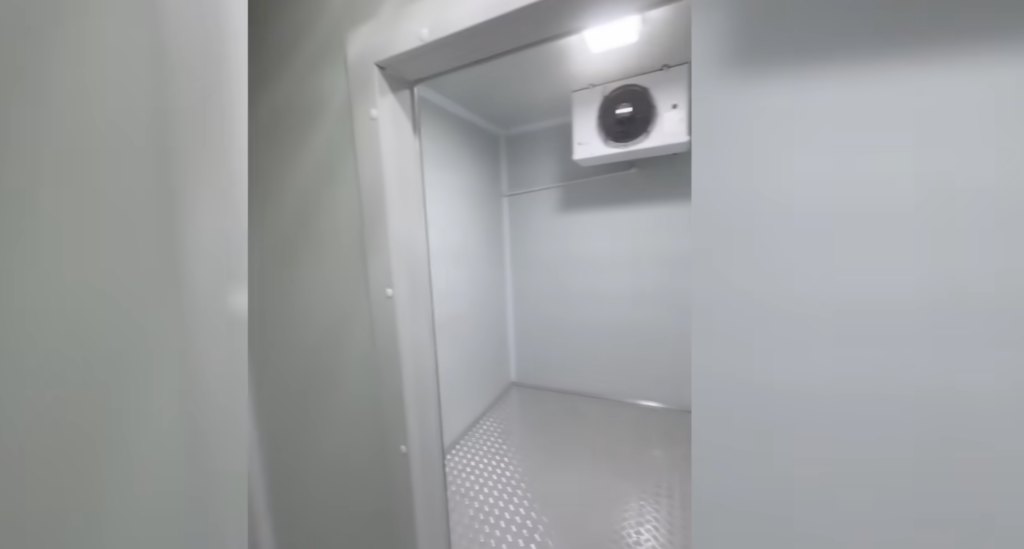
For Le, entering the freezer was simply part of her morning responsibilities. She expected to check the inventory and return to the restaurant floor. Instead, a malfunctioning door left her isolated in freezing temperatures for hours.
The tragedy serves as a grim reminder that workplace safety is not just about preventing dramatic accidents. Sometimes, the smallest neglected problem can create the most devastating consequences.