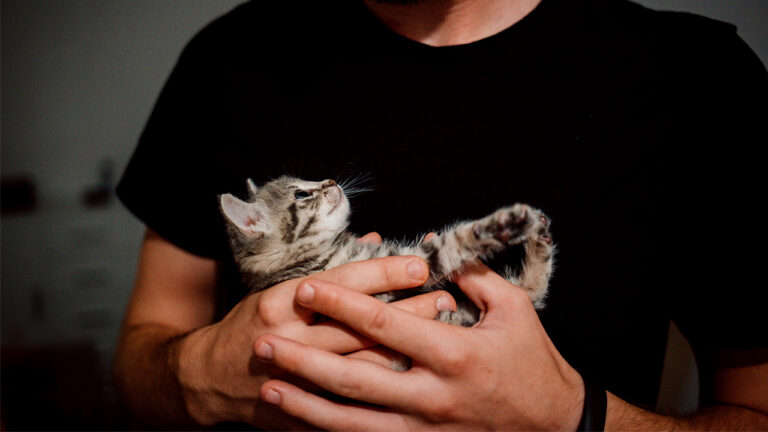
For generations, dogs have been celebrated as “man’s best friend.” They are known for their loyalty, affection, and strong emotional connection with their owners. Cats, however, often have a different reputation. Many people see them as independent, mysterious, and sometimes even a little uninterested in their human companions.
But a surprising scientific study suggests that cats may actually form deeper emotional bonds with their owners than many people realize.
Researchers discovered that cats are capable of forming secure attachments with humans, a type of emotional connection that is similar to the bond between children and their parents. In some cases, cats may even show stronger signs of attachment than dogs.

The study, conducted by researchers at Oregon State University, examined 70 cats and their owners to better understand how felines respond to separation and reunion.
During the experiment, each owner spent two minutes with their cat inside a room. After that, the owner left the room, leaving the cat alone for two minutes. Finally, the owner returned and spent another two minutes with their pet.
The researchers carefully observed how the cats behaved during each stage of the test. They found that around 66% of the cats showed signs of what scientists call a “secure attachment.”
A secure attachment means an animal becomes stressed when its owner leaves but is able to relax and feel comfortable once the owner returns. This behavior is similar to what researchers observe in young children who become upset when separated from their parents but quickly calm down when they are reunited.
The remaining cats displayed what scientists describe as an insecure attachment. These cats did not show the same level of comfort after their owners came back, suggesting they had a different type of relationship with their humans.
Interestingly, the percentage of cats with secure attachments was similar to results from studies examining the relationships between children and their parents.
Researchers also compared the findings with previous studies involving dogs. In one similar experiment, about 58% of dogs demonstrated secure attachment with their owners.
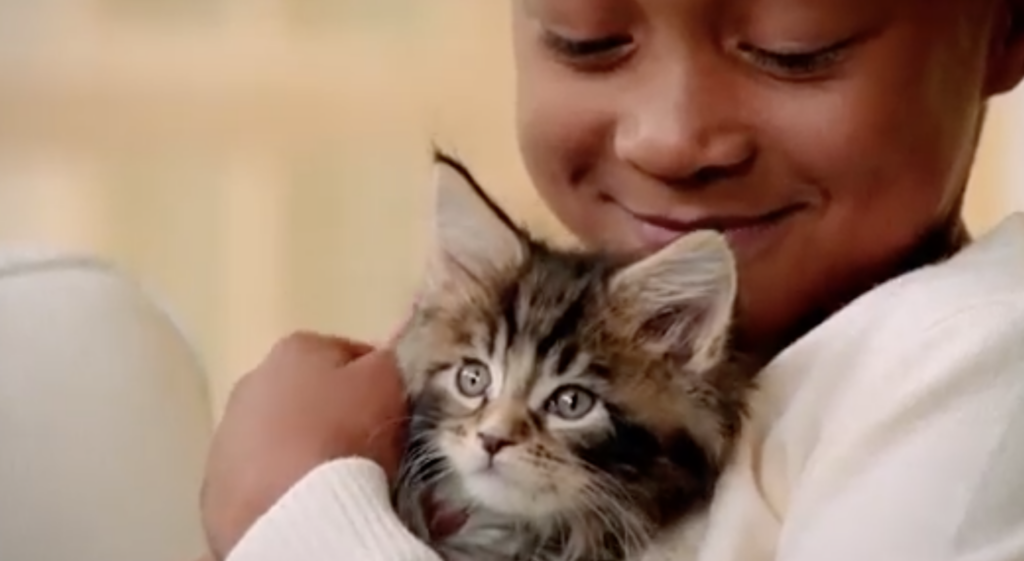
These results challenge the common belief that cats are less affectionate or emotionally connected than dogs. While cats may show their feelings differently, they are still capable of developing strong relationships with humans.
Of course, the study does not mean cats are officially more loving than dogs. Different animals express affection in different ways, and personality plays a major role in how pets interact with their owners.
So the next time your cat ignores you, knocks something off a table, or stares at you from across the room, remember that there may be a much stronger emotional connection behind that mysterious behavior. Your cat might not be plotting against you after all.