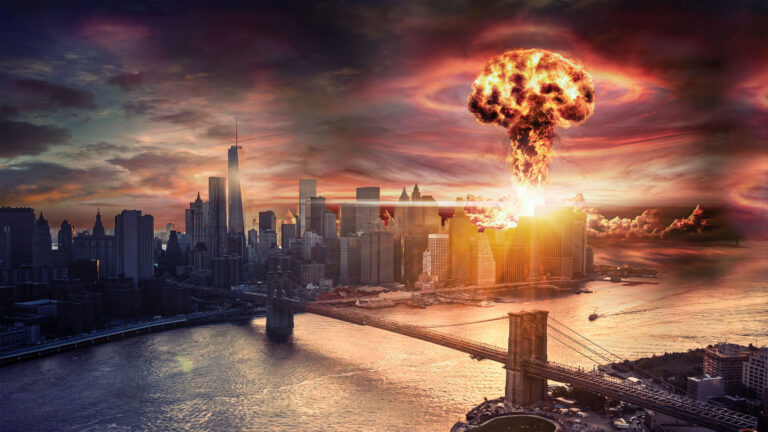
Our world can change in a matter of minutes. One moment, you are living your normal daily life, and the next, you hear a powerful explosion in the distance. The ground begins to shake, emergency alerts start appearing on your phone, and you realize that your city may have become part of a much larger conflict.
For most civilians, the first instinct is to wait for instructions. But during a major crisis, official help may not arrive immediately. Communication systems could fail, roads could become blocked, and emergency services could be overwhelmed. In that situation, your ability to stay calm and make smart decisions could determine whether you survive.
Tensions between countries around the world have increased in recent years, causing some governments to take emergency preparation more seriously. Nations such as Sweden, Germany, and Lithuania have provided citizens with guidance on how to respond during a potential conflict or national emergency.
But if a war reached your hometown, would you know what to do? Where would you go? How could you protect yourself and your family when everything around you becomes uncertain?
Number One: Prepare Before Disaster Strikes.
The best time to prepare for an emergency is before it happens. A survival kit does not need to be complicated, but it should contain the essentials that could help you survive if normal services suddenly stop working.
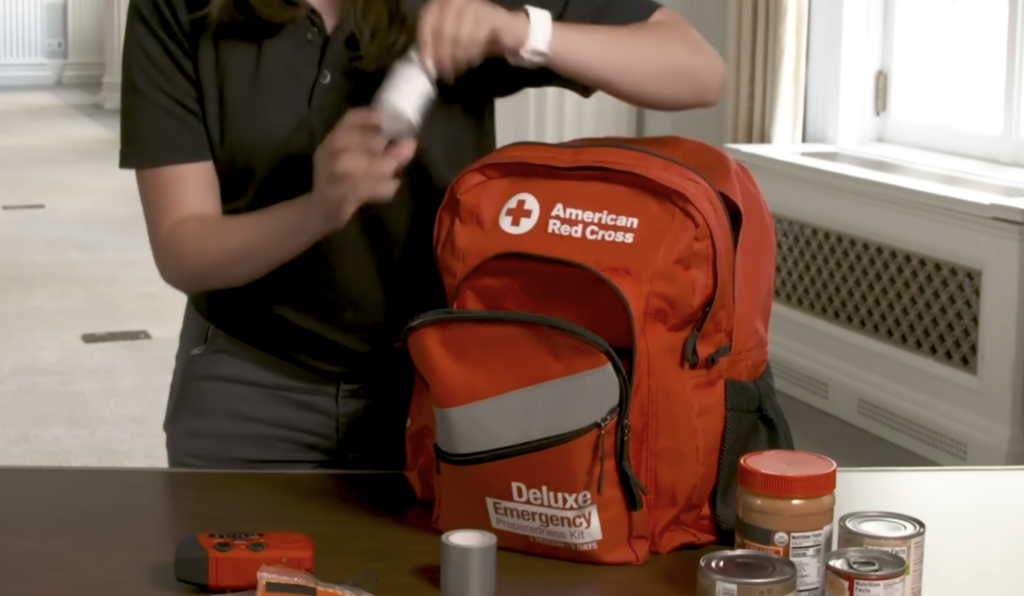
Your emergency bag should include drinking water, long-lasting food, a first aid kit, important medications, flashlights, batteries, and basic tools. It should be stored somewhere easy to reach, because during an attack you may only have a few moments to react.
Preparation is not only about supplies. You also need a clear plan. Talk with your family about where to meet if you become separated. Choose locations that everyone knows and can reach without needing technology. During a crisis, panic and confusion can make even simple decisions much harder.
Practicing your plan before an emergency happens can save valuable time when every second matters.
Number Two: Stay Calm During the First Attack.
When explosions begin or warnings are issued, fear is a natural reaction. However, panic can lead to dangerous mistakes. The most important thing is to slow down, think clearly, and focus on the safest option available.
Move away from windows because shattered glass can become one of the biggest dangers during an explosion. Stay away from large objects that could fall, and move toward the safest area of your home. If possible, choose lower levels of the building or a basement.
If you live in an apartment building, avoid elevators because power could fail at any moment. Use the stairs instead.
After the initial danger passes, inspect your home carefully. Check whether the structure is still safe and whether it can protect you from future threats. If the damage is severe, staying inside could become more dangerous than leaving.
Number Three: Move Away From Possible Targets.
During a military conflict, some locations are more likely to become targets than others. Government buildings, military facilities, transportation hubs, major bridges, and important infrastructure may carry a higher risk of being attacked.
If authorities advise evacuation, leaving early is usually safer than waiting until roads become crowded. Millions of people trying to escape at the same time can create massive traffic jams and make movement extremely difficult.
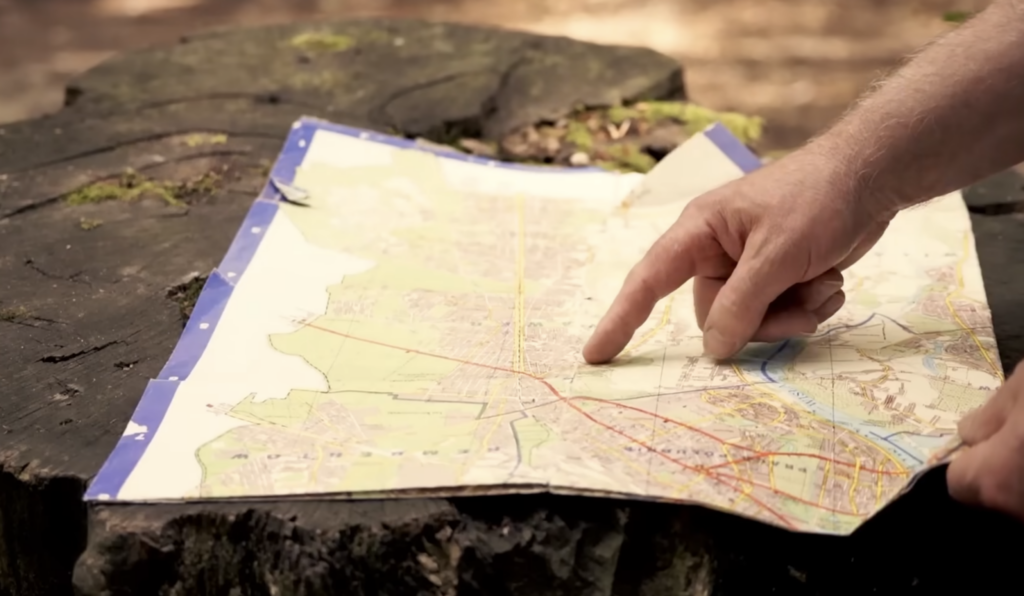
Plan several possible escape routes before an emergency happens. Do not rely only on your phone because mobile networks and GPS services may become unavailable during a large scale crisis.
A physical map can become an important tool if technology fails.
Number Four: Find a Safe Place to Shelter.
If you leave your home, your goal is to find a location away from active fighting where you can stay protected for an extended period.
Possible shelters could include community buildings, designated emergency shelters, hospitals, or homes of trusted friends and relatives. The ideal location should have access to basic necessities such as water, electricity, and heating.
However, remember that infrastructure can fail during a war. Power stations may be damaged, and cyber attacks could disrupt essential services. A location with backup power, fuel supplies, or alternative energy sources could provide a major advantage.
The safest shelter is not always the closest one. It is the place that can keep you protected and supplied for the longest time.
Number Five: Be Prepared for a Nuclear Attack.
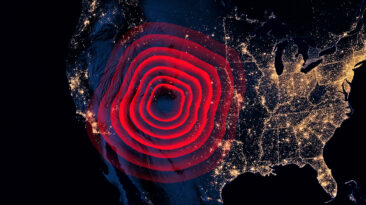
A large scale conflict between major powers could involve the use of nuclear weapons, creating an entirely different survival situation.
If you see a sudden bright flash, do not look directly at it. Immediately move behind a solid barrier to protect yourself from the initial blast wave. After that, your priority is finding proper shelter as quickly as possible.
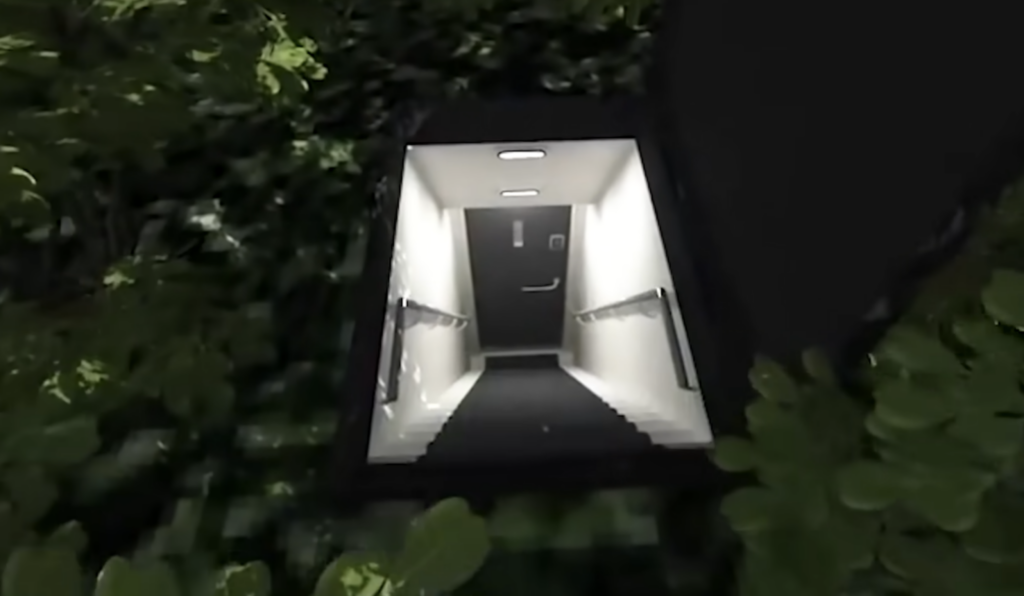
The safest location is usually the deepest and most protected part of a building, preferably underground. Thick concrete walls can greatly reduce exposure to dangerous radiation.
Once inside, remove the outer layer of your clothing and place it in a sealed plastic bag if you believe it may have been contaminated. Wash exposed skin with clean water if possible.
Then remain inside.
Nuclear fallout is most dangerous in the first hours after an explosion. Staying sheltered for at least 24 hours can significantly reduce your exposure while radiation levels begin to decrease.
A major conflict would create uncertainty, fear, and chaos, but preparation can give you an advantage. Having supplies, knowing where to go, and understanding how to react during the first moments of a disaster can make the difference between being helpless and being ready.
In a crisis, survival is not only about strength. It is about staying calm, thinking ahead, and making the right decisions when everything around you changes.