The accident began with a flash of blue light.
For Hisashi Ouchi, a 35 year old worker at a nuclear fuel processing facility in Tokaimura, Japan, that brief glow marked the beginning of a medical ordeal that would become one of the most severe radiation exposure cases ever recorded.
Ouchi was working alongside two other employees at the facility on September 30, 1999. Their assignment involved processing uranium oxide for nuclear fuel used in an e2xperimental reactor.
The procedure was supposed to be carefully controlled, but a dangerous mistake changed everything.
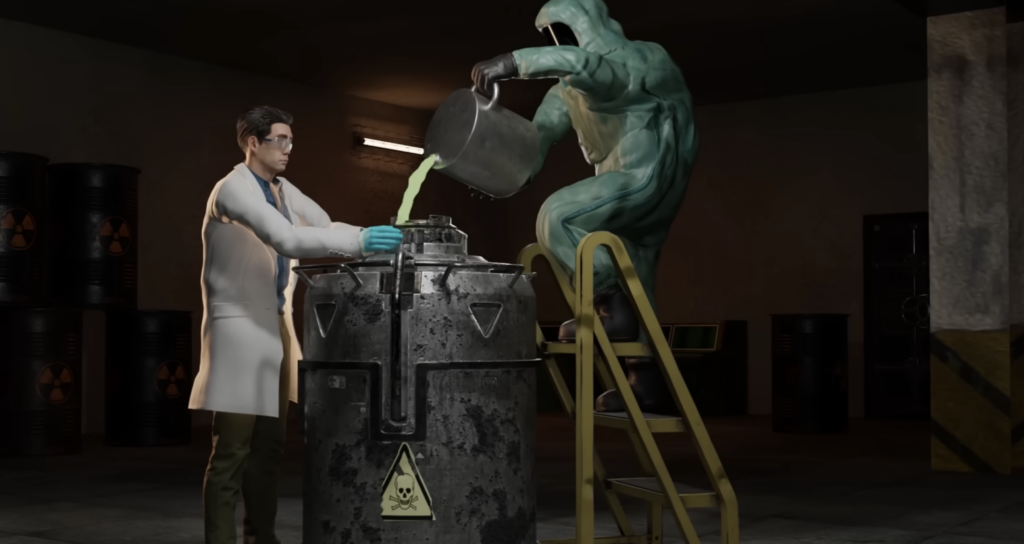
Ouchi was standing beside a large processing tank while a coworker added uranium solution using a funnel. Too much material was poured into the container, causing the concentration to reach a critical point.
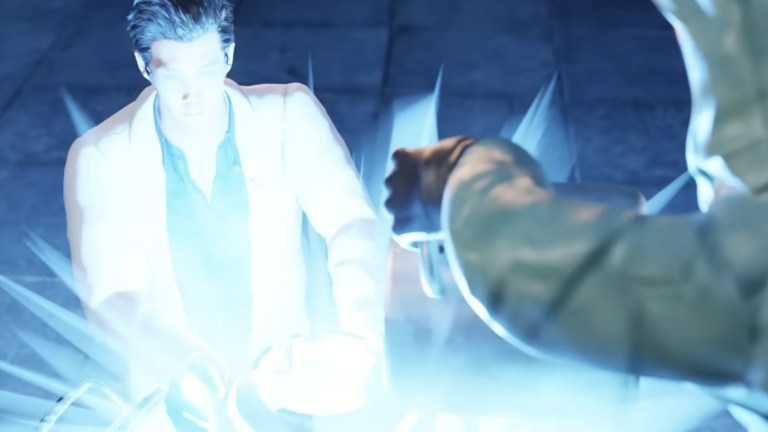
Then came the flash. A blue glow appeared as an uncontrolled nuclear chain reaction began inside the tank.
Ouchi was standing closest to the vessel and received an enormous dose of radiation within seconds. The exposure severely damaged his body at the cellular level, particularly his bone marrow and DNA.
He was transported to a hospital soon afterward. At first, the effects were not as dramatic as the eventual outcome. His face was swollen and red, and his eyes were bloodshot. He also complained about pain in his hands and ears.
Within the following day, however, his condition deteriorated rapidly. His abdomen became swollen, his body began hurting intensely, and he developed difficulty breathing. Doctors soon realized that this was far more serious than an ordinary radiation injury.
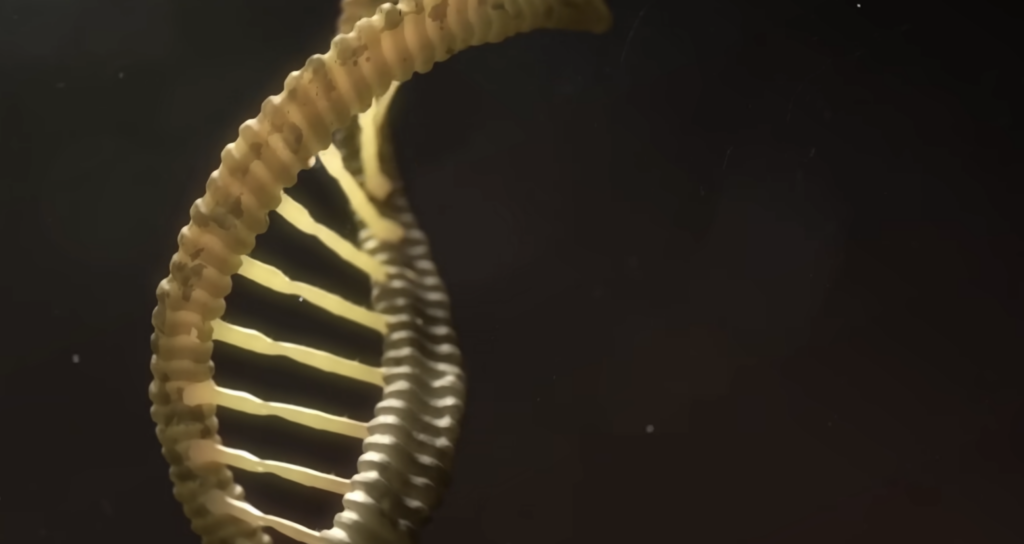
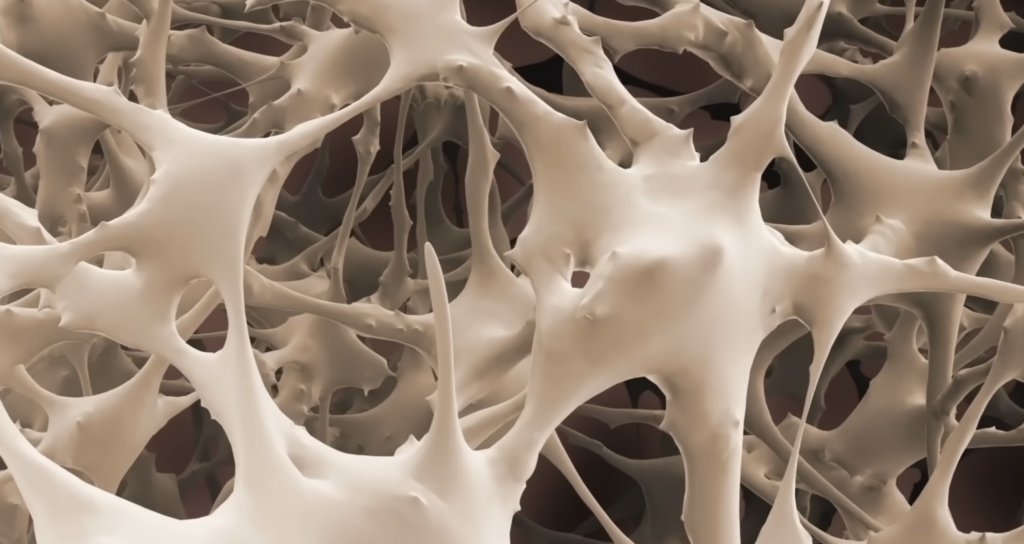
Radiation can destroy cells by damaging their DNA. Some tissues are particularly vulnerable because they constantly produce new cells, including the bone marrow, digestive system, and skin. Several days after the accident, doctors examined Ouchi’s bone marrow and found devastating evidence of the radiation damage.
His body had effectively lost its ability to produce new blood cells. Without functioning bone marrow, the immune system and blood production systems can collapse. The body becomes increasingly vulnerable to infection, bleeding, and other complications.
Doctors attempted an extraordinary intervention. About a week after the accident, Ouchi received a stem cell transplant using cells donated by his sister. The treatment was intended to help restore his damaged blood forming system.
It did not reverse the destruction caused by the radiation.
His condition continued to worsen. His skin developed severe injuries and began breaking down, while his body struggled to repair damaged tissue. He required intensive medical support, including repeated blood transfusions and intravenous nutrition. Doctors continued treating him with experimental therapies because his case was extraordinarily unusual.
Keeping Ouchi alive became a massive medical challenge. His damaged tissues were unable to recover normally, while his immune system and other organs continued to deteriorate.
Despite the extraordinary efforts of medical teams, his suffering continued for weeks. Ouchi eventually survived for 83 days after the accident, but his injuries were too severe for his body to overcome. Shortly before Christmas, he suffered cardiac arrest associated with multiple organ failure and died.
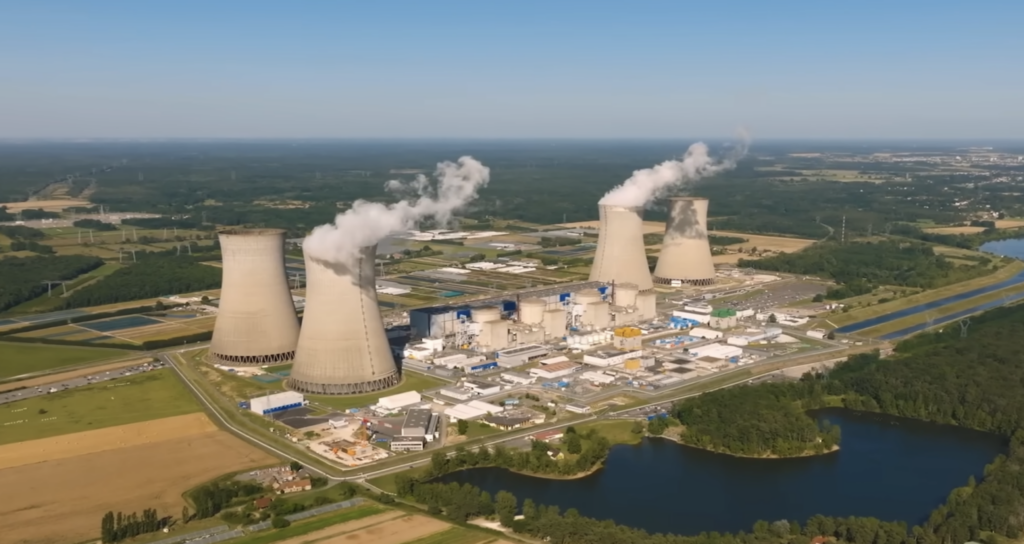
The Tokaimura accident also exposed serious problems at the facility itself. Investigations found that workers had used unsafe procedures when handling nuclear material and that appropriate safety controls had not been followed. Japanese authorities concluded that inadequate oversight and safety training contributed significantly to the disaster.
The accident became a major warning about the dangers of working with nuclear materials. Radiation cannot be seen, smelled, or felt at the moment of exposure, yet a massive dose can begin destroying the body’s ability to repair itself almost immediately.
For Ouchi, the blue flash lasted only a moment.
The damage it caused lasted for nearly three months.