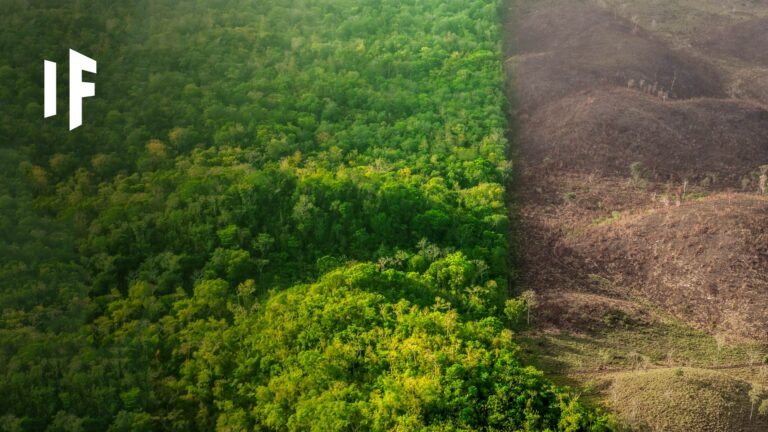
The Amazon rainforest is often described as one of the most important ecosystems on the planet, yet it is also one of the most threatened. Every year, large sections of it disappear due to human activity, and the pace of destruction continues to accelerate. If this trend were to continue unchecked, the world could eventually face a reality where the Amazon no longer exists at all.
Such a loss would not be confined to a single region. The Amazon influences global climate systems, supports millions of species, and plays a major role in regulating atmospheric balance. Removing it would trigger changes that extend far beyond South America, affecting weather patterns, biodiversity, and even human health across the entire planet.
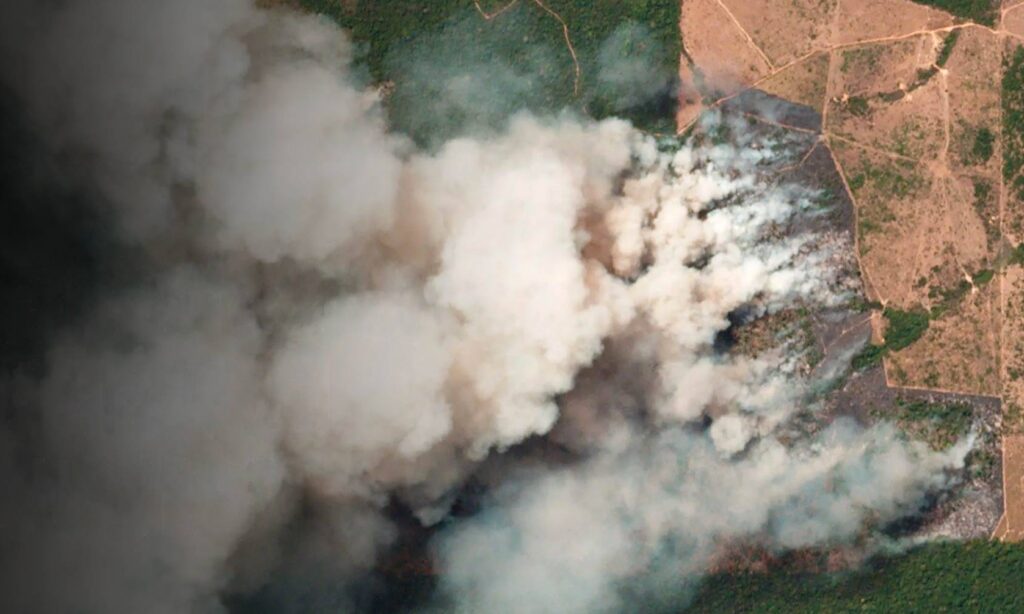
At present, the Amazon spans a massive portion of South America and contains an extraordinary concentration of life. It is home to an estimated 10 percent of all known species on Earth, making it one of the most biologically diverse places ever studied. Its trees and vegetation also store enormous amounts of carbon, helping to regulate the global climate.
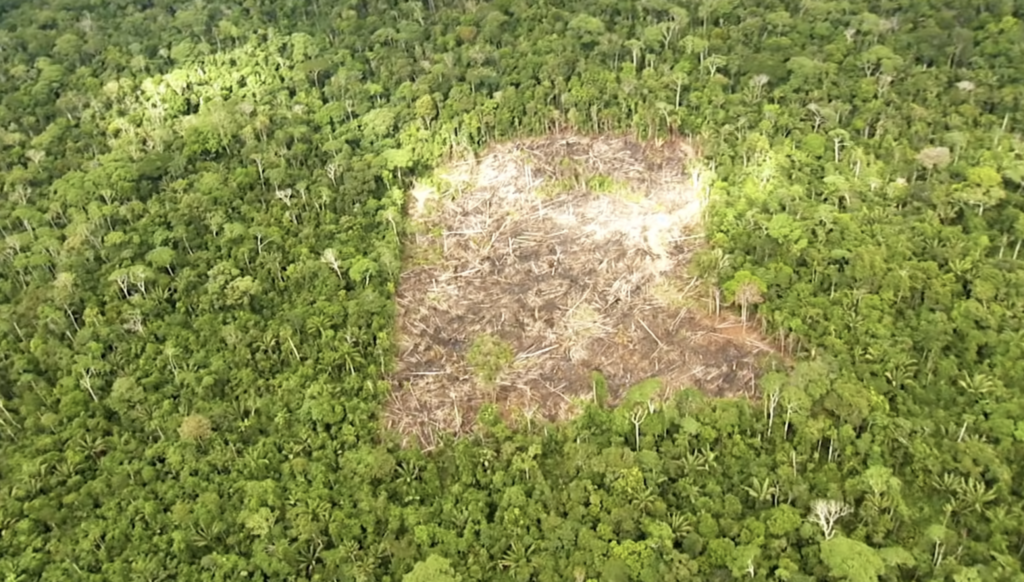
However, human activity continues to reduce this vital ecosystem at an alarming rate. Logging, agriculture, mining, and infrastructure development have led to widespread deforestation. In many regions, forests are cleared at a speed equivalent to several football fields per minute.
Over the past several decades, hundreds of thousands of square kilometers of rainforest have already been lost. If this pattern continues, long term projections suggest that large portions of the Amazon could degrade beyond recovery within the next century.
The consequences of such a collapse would begin with biodiversity. The Amazon contains more species of plants and animals than any other terrestrial ecosystem. Many of these species exist nowhere else on Earth, meaning their extinction would be permanent and global in scale.
This loss of biodiversity would also affect ecosystems far beyond the rainforest itself. Many global food systems depend indirectly on genetic diversity found in wild plant species, which are often used to improve crops and resistance to disease.
One of the most overlooked aspects of the Amazon is its contribution to medicine. A significant number of modern pharmaceutical compounds have origins in rainforest plants. These include treatments used for pain management, cardiovascular conditions, and even cancer therapies.
Scientists estimate that only a small fraction of Amazonian plant species have been studied for their medicinal properties. This means that countless potential treatments may still be undiscovered. The destruction of the rainforest would eliminate these possibilities before they are ever understood.
Beyond biodiversity and medicine, the most serious global impact would involve climate regulation. The Amazon plays a crucial role in absorbing carbon dioxide from the atmosphere. When trees are cut down or burned, that stored carbon is released back into the air.

In its current state, the Amazon holds tens of billions of tons of carbon within its biomass and soil. If large scale deforestation or widespread fires were to occur, a significant portion of that carbon could enter the atmosphere, accelerating global warming.
There is also a feedback effect that makes this situation more dangerous. As forests decline, their ability to absorb carbon weakens, turning previously stable ecosystems into net sources of emissions rather than sinks. This shift would intensify climate change over time.
Climate models suggest that widespread loss of the Amazon could alter rainfall patterns across South America and beyond. Reduced moisture recycling could lead to droughts in regions that currently depend on rainforest driven weather systems.
Despite these risks, the situation is not entirely irreversible. Research indicates that tropical forests have some capacity for natural regeneration if conditions allow for recovery. Even degraded areas can begin to regrow if seed sources remain and human pressure is reduced.
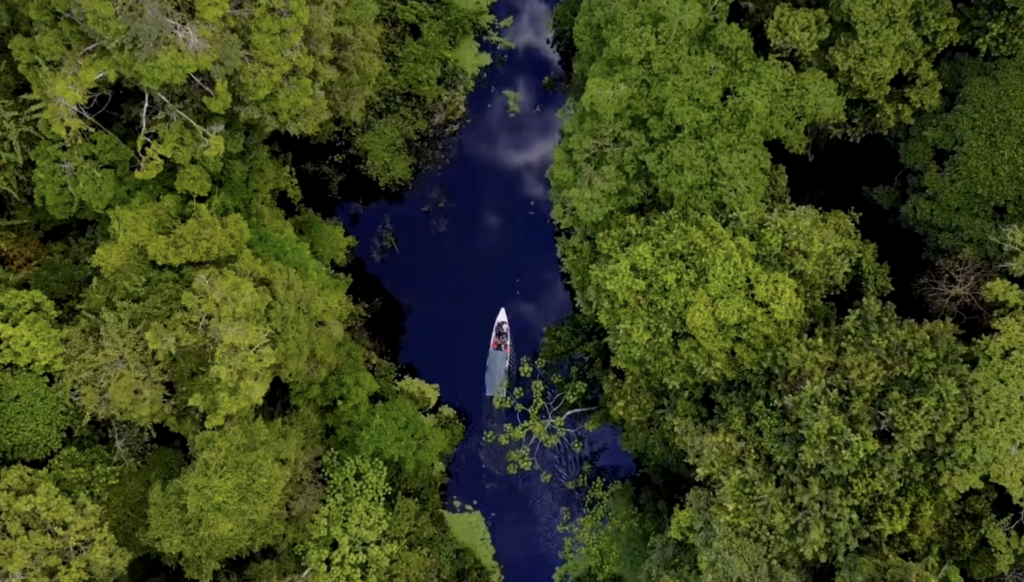
However, recovery is only possible if destruction slows significantly. Continuous deforestation prevents ecosystems from stabilizing, making long term regeneration increasingly difficult. This means that timing is critical in determining whether recovery is still achievable.
Efforts to reduce pressure on the Amazon include changes in consumption patterns, land management practices, and energy systems. Reducing demand for products linked to deforestation can indirectly reduce forest loss over time.
On a broader scale, shifting toward more sustainable energy and agriculture systems can help reduce the economic drivers of deforestation. While individual actions alone are not enough, combined global efforts can influence long term outcomes.
The Amazon rainforest is not just a regional ecosystem, but a fundamental part of Earth’s climate and biological stability. Its loss would represent one of the most significant environmental changes in human history.
Whether it continues to exist in its current form depends on decisions made in the present. The future of the rainforest is closely tied to global choices about land use, consumption, and environmental protection.