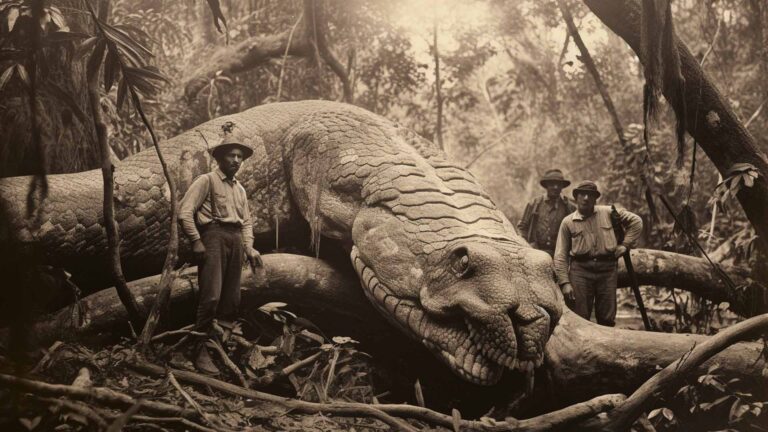
If modern snakes already make your skin crawl, you should be thankful you never had to share the planet with their prehistoric ancestors. Millions of years ago, Earth was home to giant serpents so large, so powerful, and so perfectly built for hunting, that today’s snakes would look almost harmless in comparison.
From truck sized constrictors to ocean dwelling predators longer than buses, these extinct snakes represent some of the most terrifying creatures ever to exist.
Titanoboa: The Monster That Ruled the Tropics
If there is one snake that defines prehistoric terror, it is Titanoboa.
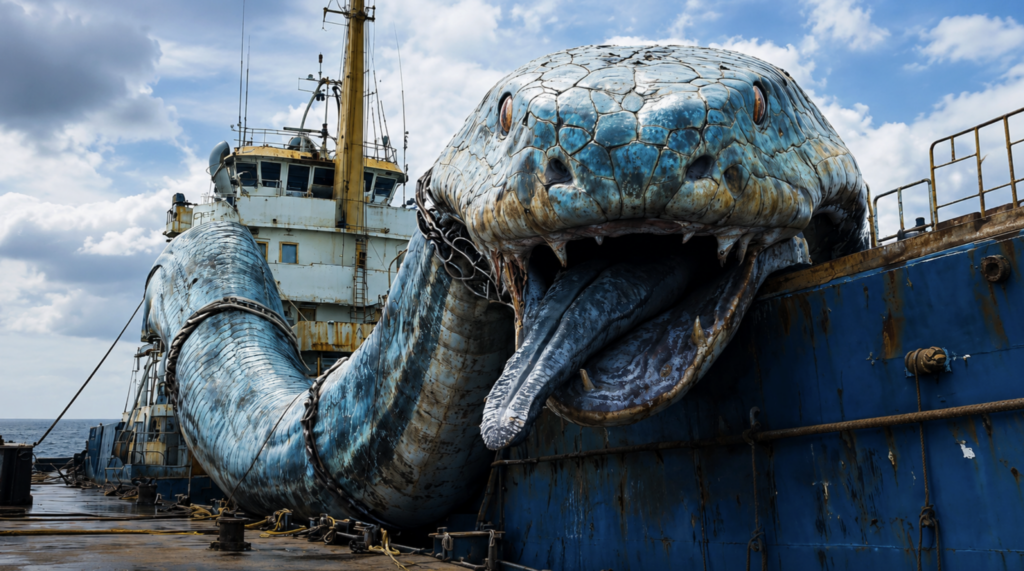
This colossal serpent reached around 15 meters in length and weighed more than 1,100 kilograms, making it the largest snake ever discovered. It lived roughly 60 million years ago in the warm, swampy rainforests of what is now Colombia.
Titanoboa was not just large, it was overwhelming. Its body was thicker than a human torso, and its strength far exceeded anything seen in modern reptiles. Scientists believe it hunted by ambush, dragging massive prey into water and crushing it with pure muscle power.
In its world, even ancient crocodile relatives were on the menu.
If Titanoboa existed today, even stepping near warm rivers or lakes could feel like a gamble with survival itself.
Gigantophis garstini: The Half Ton Constrictor
Before Titanoboa took the crown, Gigantophis was believed to be the largest snake on Earth.
Living around 40 million years ago in North Africa, this serpent stretched over 10 meters and weighed close to half a ton. It was a powerful constrictor, designed to overpower and suffocate anything it could wrap its body around.
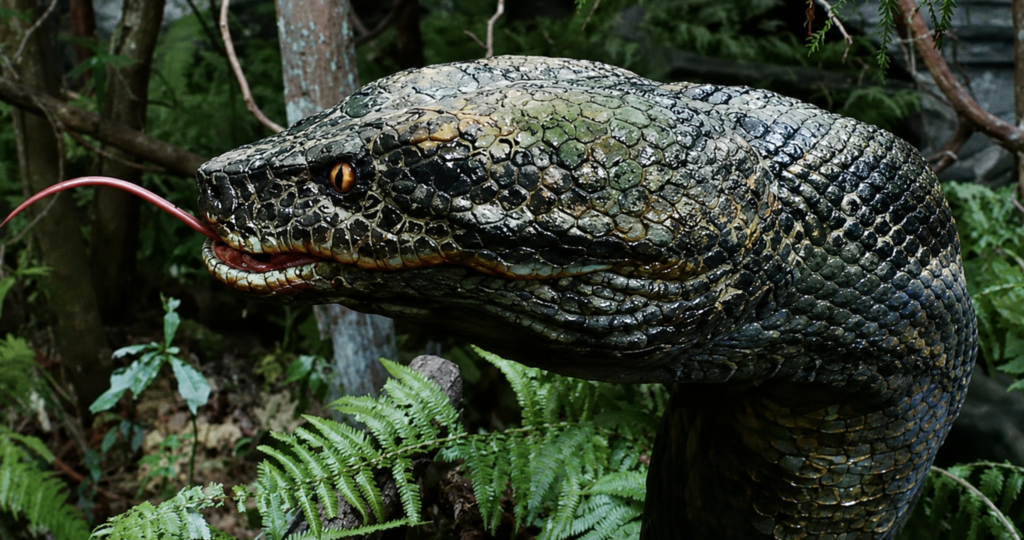
Its prey likely included large prehistoric mammals, some comparable in size to early elephant ancestors.
A human encounter with Gigantophis would have been completely one sided. Once coiled, escape would not be an option.
Wonambi naracoortensis: The Ancient Australian Ambush Hunter
Wonambi lived in Australia long after the dinosaurs disappeared, and may have overlapped with early human ancestors.
Measuring up to 7 meters long, this snake was a stealth predator that relied on ambush tactics. It would lie hidden, waiting for unsuspecting animals to pass before striking and constricting them with powerful coils.
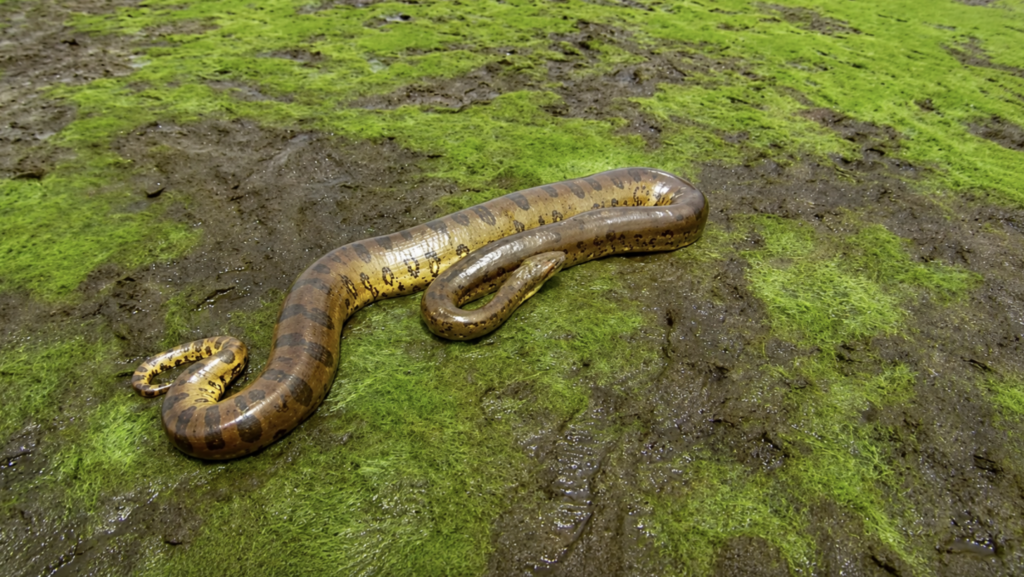
Scientists believe it targeted medium sized mammals, meaning early humans could have been within its potential range of prey.
Even after extinction events reshaped the planet, Wonambi remained one of Australia’s top predators for millions of years.
Sanajeh indicus: The Dinosaur Nest Raider
Sanajeh indicus lived around 67 million years ago, during the age of dinosaurs.
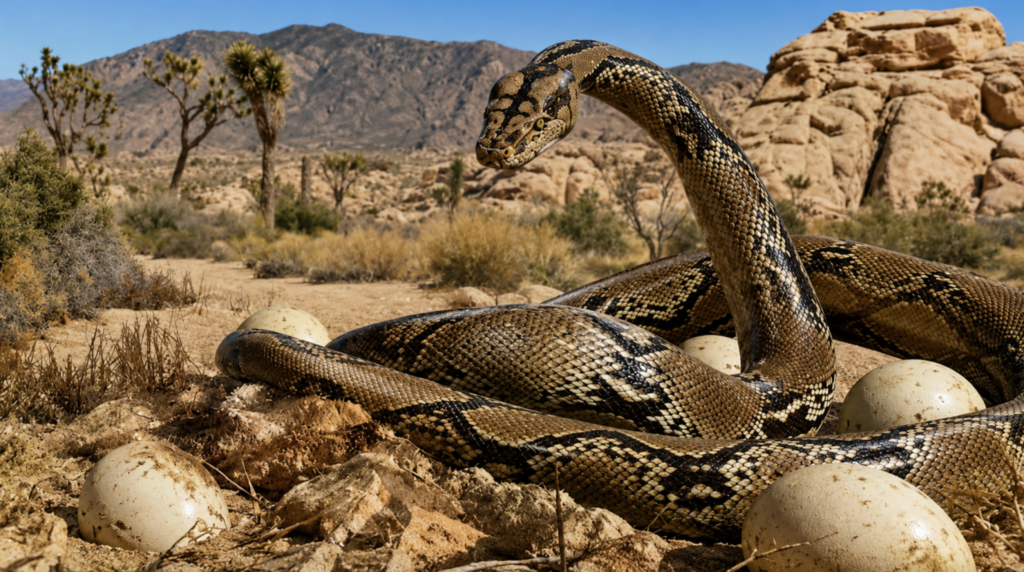
Unlike many large constrictors, this snake specialized in a very specific hunting strategy: raiding nests. Fossil evidence shows it attacking young titanosaurs, wrapping around hatchlings before they could escape.
At around 3.5 meters long, it was not the largest snake on this list, but its behavior made it especially dangerous. It was bold enough to hunt near some of the largest animals ever to walk the Earth.
Palaeophis toliapicus: The Ocean Giant
Not all prehistoric snakes lived on land.
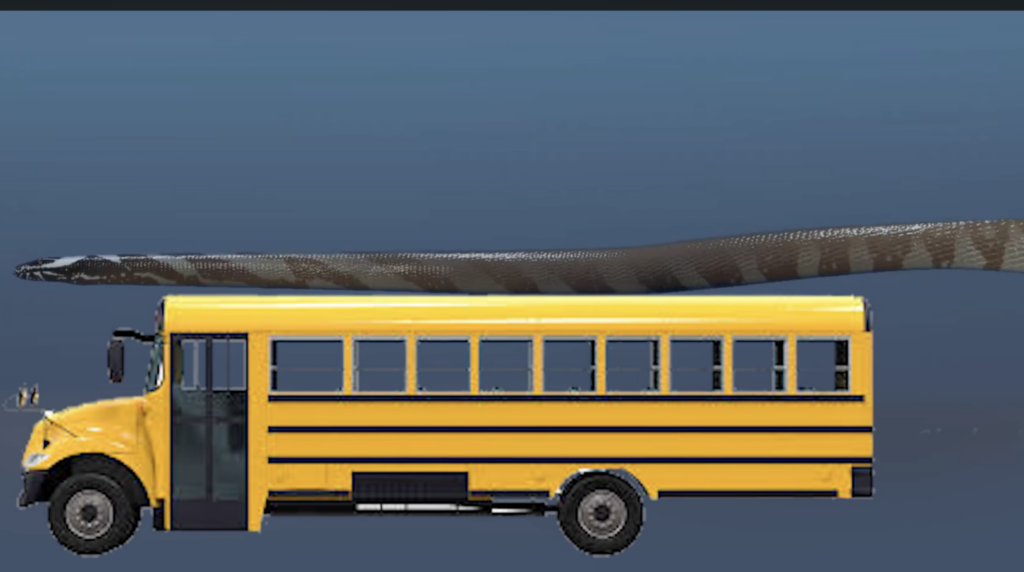
Palaeophis was a massive marine snake that reached lengths of up to 12 meters. It lived in shallow coastal waters across ancient North America, Europe, and Africa.
This predator fed on fish, birds, marine mammals, and even early whales. In the water, it would have been nearly unstoppable, using its length and strength to control anything unfortunate enough to cross its path.
Swimming in prehistoric seas would have required serious courage.
Laophis crotaloides: The Venomous Giant
Unlike the massive constrictors, Laophis was a viper and possibly one of the largest venomous snakes ever recorded.
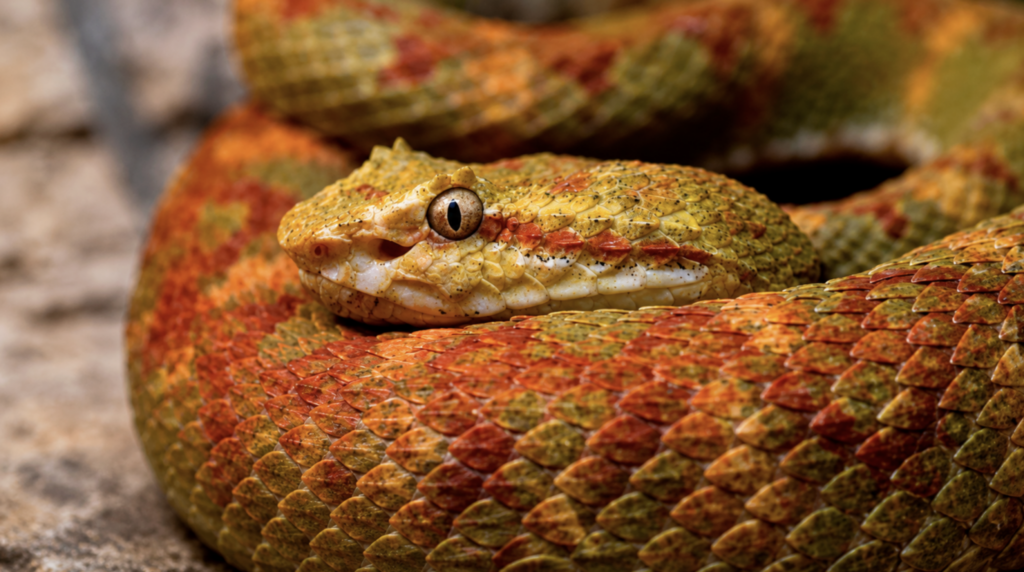
Living in ancient Greece around 4 million years ago, it could grow up to 4 meters long and deliver venom through powerful fangs. It combined size, strength, and toxicity in a way few modern snakes can match.
Hidden in grass and vegetation, it would have been a silent but deadly threat to anything that came too close.