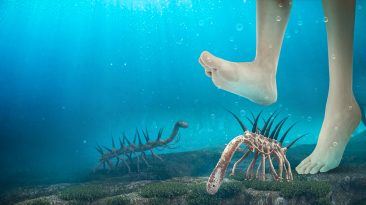
Modern humans have existed for only a tiny fraction of Earth’s history. During that time, our species has survived ice ages, natural disasters, pandemics, and countless environmental challenges. But what if you suddenly found yourself transported much further into the past, to a world that existed about 400 million years ago?
Welcome to the Devonian Period, one of the strangest chapters in the history of life on Earth. It was a time when enormous seas dominated the planet, giant armored fish ruled the waters, and the land looked almost alien compared with the forests and cities we know today.
If your time machine happened to break down here, how long could you survive?
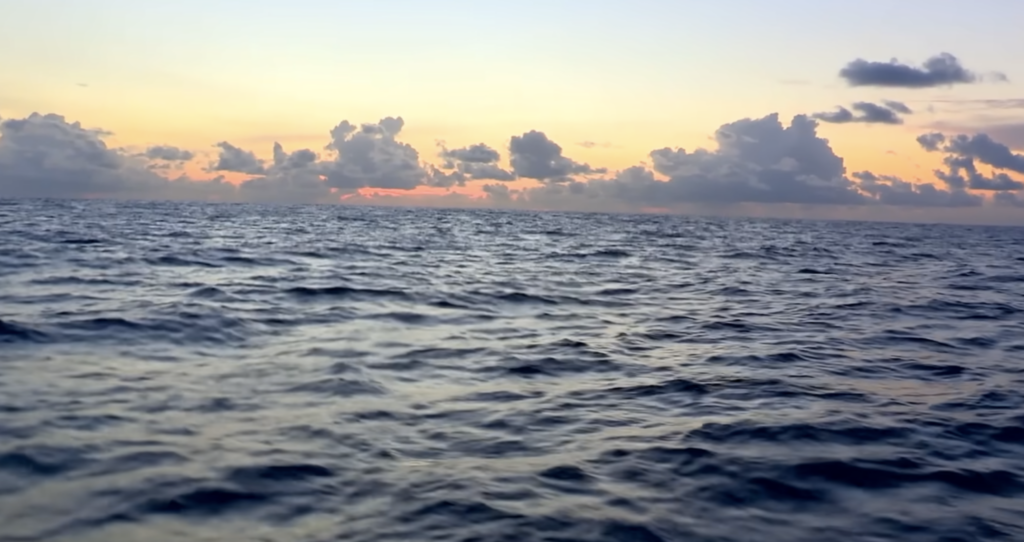
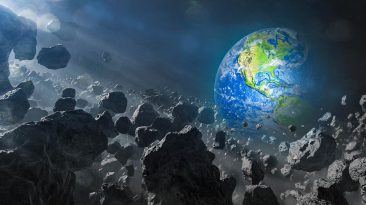
Your first piece of good fortune would be landing on solid ground. During the Devonian Period, nearly 85 percent of Earth’s surface was covered by oceans. Most of the land was concentrated in two massive supercontinents called Gondwana and Laurussia.
The landscape would not resemble modern Earth at all. Much of the terrain would appear barren and rocky. Vast mountain ranges slowly eroded over millions of years, releasing nutrients into the oceans and helping marine ecosystems thrive. In fact, the Devonian is often called the Age of Fishes because ocean life exploded in both diversity and size.
Finding shelter would immediately become your biggest problem. Early in the Devonian Period, forests did not exist. Large trees had not yet evolved, and there was little vegetation available for building materials. Instead, much of the land was covered with primitive mosses and small plants.
You would have to get creative. Without wood or fabrics, constructing a comfortable shelter would be difficult. Clothing would also be a challenge. If humans somehow evolved during this era, our fashion choices might include moss coverings, seashell accessories, and decorations made from fish bones. It might not be stylish by modern standards, but survival often requires improvisation.
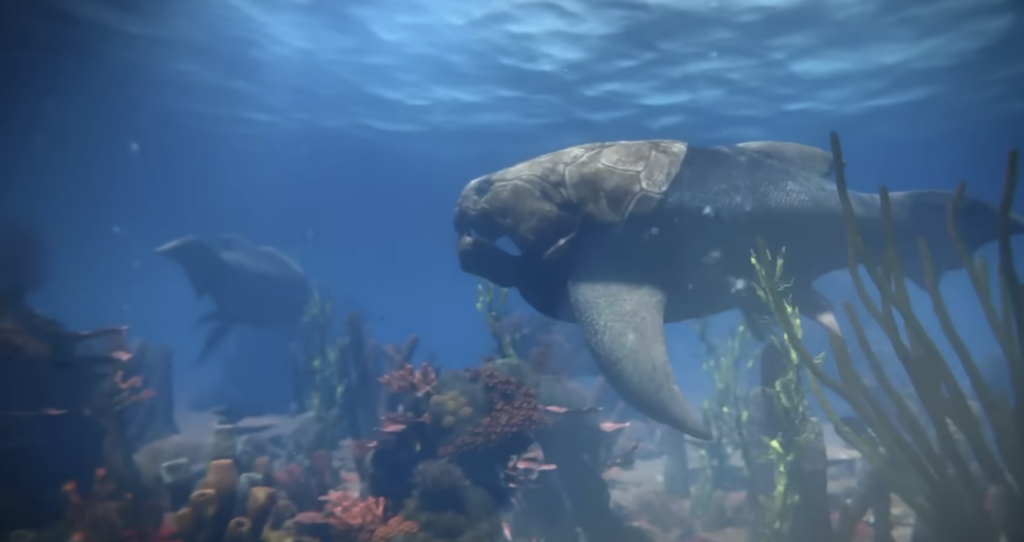
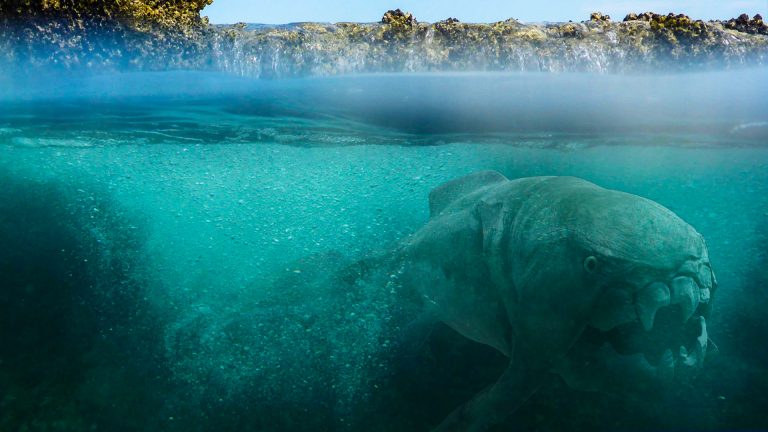
Food would be another major concern. The oceans were filled with life, but collecting food from them would be extremely risky. Some of the largest predators on Earth lived during this period. Among them were placoderms, heavily armored fish equipped with powerful jaws and impressive size. Some species reached lengths of around ten meters.
Trying to catch a meal could easily turn you into someone else’s meal instead.
Suppose you managed to catch a fish or gather some shellfish along the shoreline. Cooking it would present another challenge. Without forests, firewood would be incredibly scarce. You might search for dry moss or other plant material, but your fuel options would be limited.
Fortunately, the climate during much of the Devonian Period was relatively warm. Freezing temperatures would not be your greatest concern. Finding enough food and avoiding predators would be much more important.
As the days passed, you would probably spend much of your time moving between coastlines, collecting mollusks and early arthropods while remaining alert for dangers emerging from the water.
Now imagine fast forwarding about forty million years into the Late Devonian.
This era witnessed one of the great extinction events in Earth’s history. Scientists estimate that between 79 percent and 87 percent of species disappeared. Surprisingly, this catastrophe may actually improve your chances of survival.
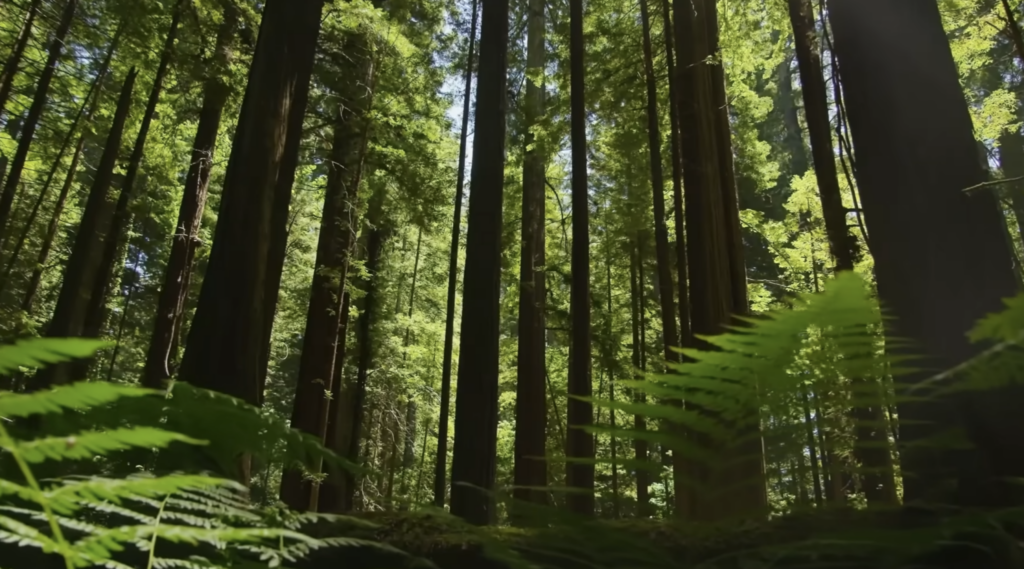
Researchers believe one major cause of the extinction was the rapid spread of vascular plants. Trees and ferns began transforming the landscape. Their roots altered the chemistry of soils and released nutrients into lakes and oceans.
Those nutrients encouraged massive algae growth. As algae increased, bacteria consumed large amounts of oxygen. Many areas of the ocean became oxygen poor environments, causing widespread marine die offs.
With fewer giant predators in the seas, you could breathe a little easier. However, life was beginning to make an important transition onto land.
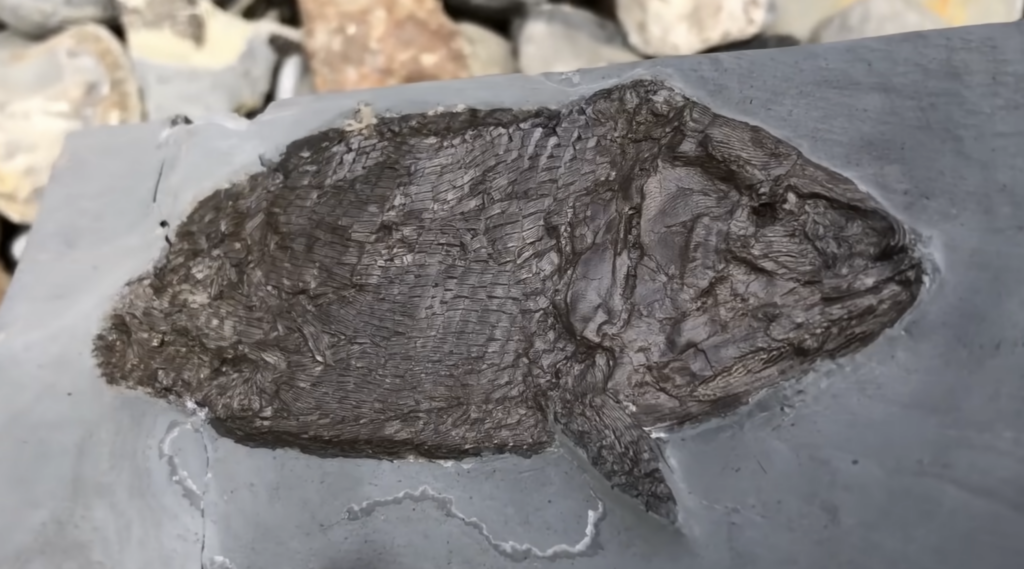
Among the most fascinating creatures were lobefins, ancient fish that eventually gave rise to amphibians and other four legged vertebrates. One famous example is Tiktaalik, a species discovered in the Canadian Arctic.
Tiktaalik possessed a crocodile like head, sharp teeth, and strong fins with primitive wrist structures that allowed it to support itself on land. Measuring nearly three meters long, it represented one of evolution’s remarkable transitional forms.
If you happened to encounter one, staying out of its way would be a wise decision.
The oceans still contained terrifying predators as well. Among the most famous was Dunkleosteus. This enormous armored fish possessed thick bony plates around its head and jaws powerful enough to crush prey with incredible force.
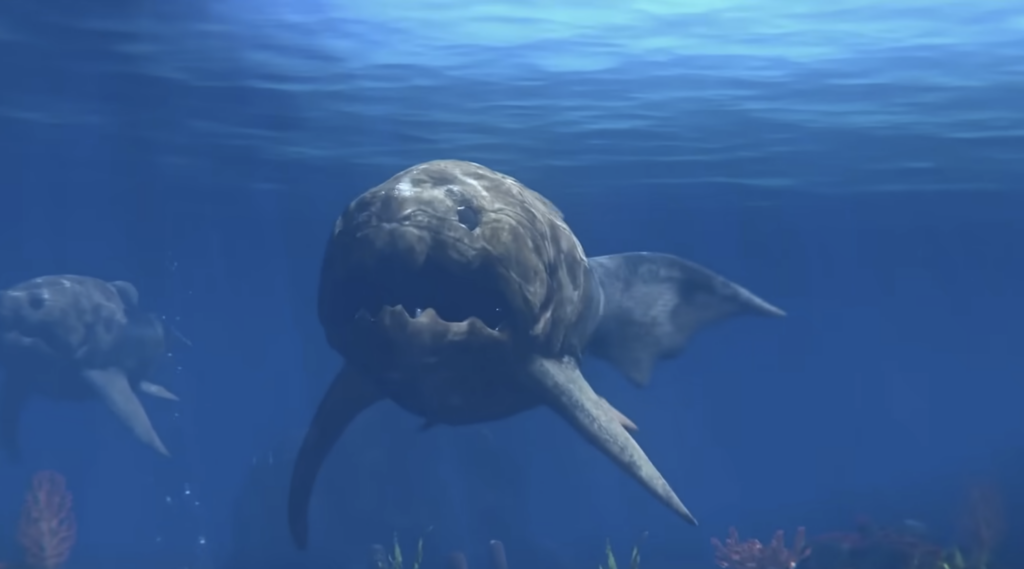
Some individuals reached lengths of about ten meters. With food becoming scarcer, these predators may even have preyed upon members of their own species. Taking a swim in Devonian waters would not be a particularly relaxing experience.
Still, life during the Late Devonian offered new opportunities. Expanding plant life would finally provide materials for making tools, constructing better shelters, and perhaps even building a home among the earliest forests. One remarkable tree known as Archaeopteris could grow around thirty meters tall with massive trunks several meters wide.
The Devonian Period was a world unlike anything humans have ever experienced. It was beautiful, dangerous, and constantly changing. Surviving there would require adaptability, caution, and a healthy respect for every shadow moving beneath the water’s surface.