
The Entire Evolution of Our Sun Explained in 10 Images

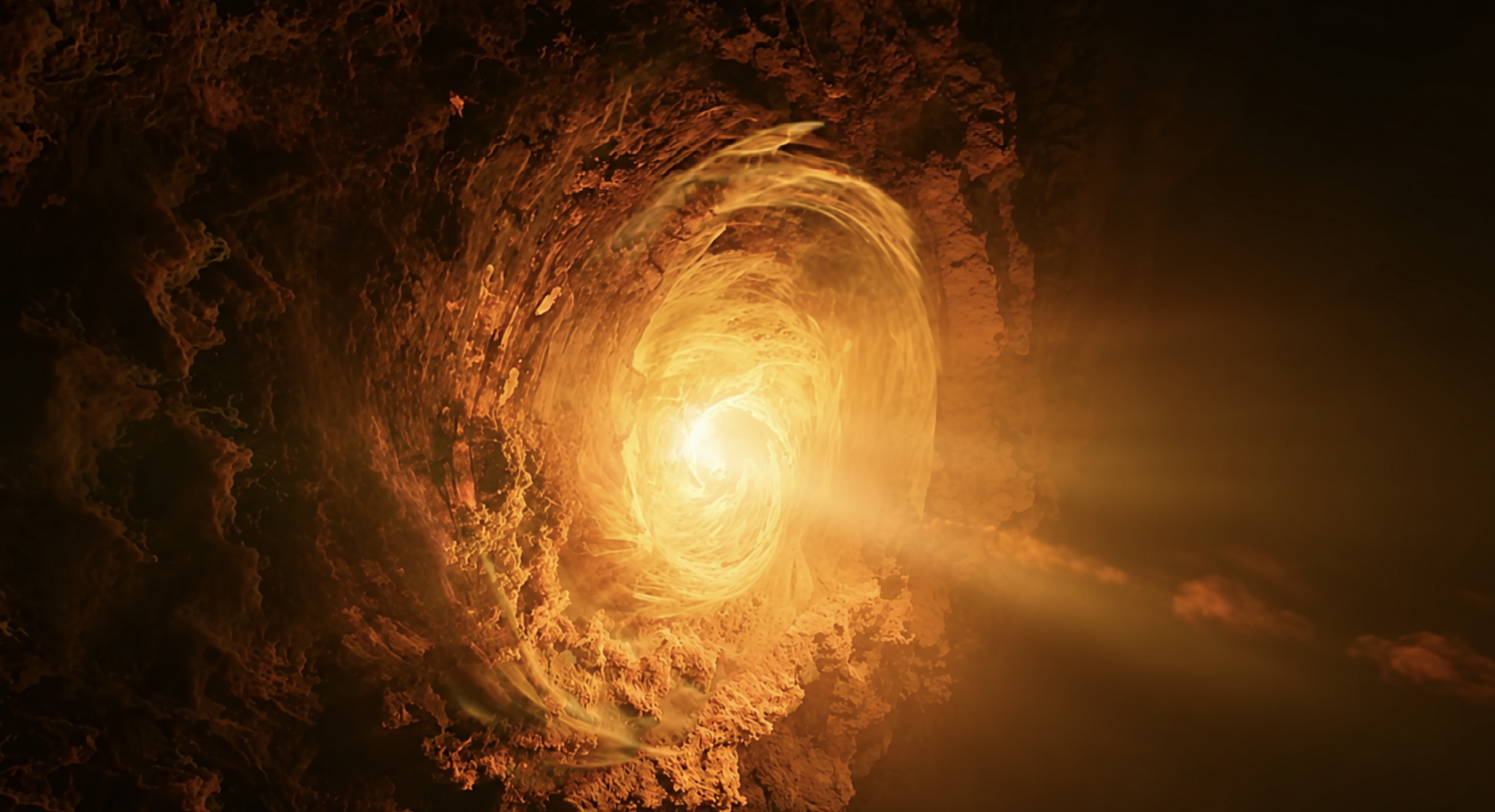
Around 4.6 billion years ago, a cloud of gas and dust from ancient stars began to collapse under gravity, forming a spinning disk. At its center, material gathered into a hot, dense protostar that would become the Sun. Meanwhile, the surrounding debris slowly clumped together, eventually forming the early building blocks of the planets.
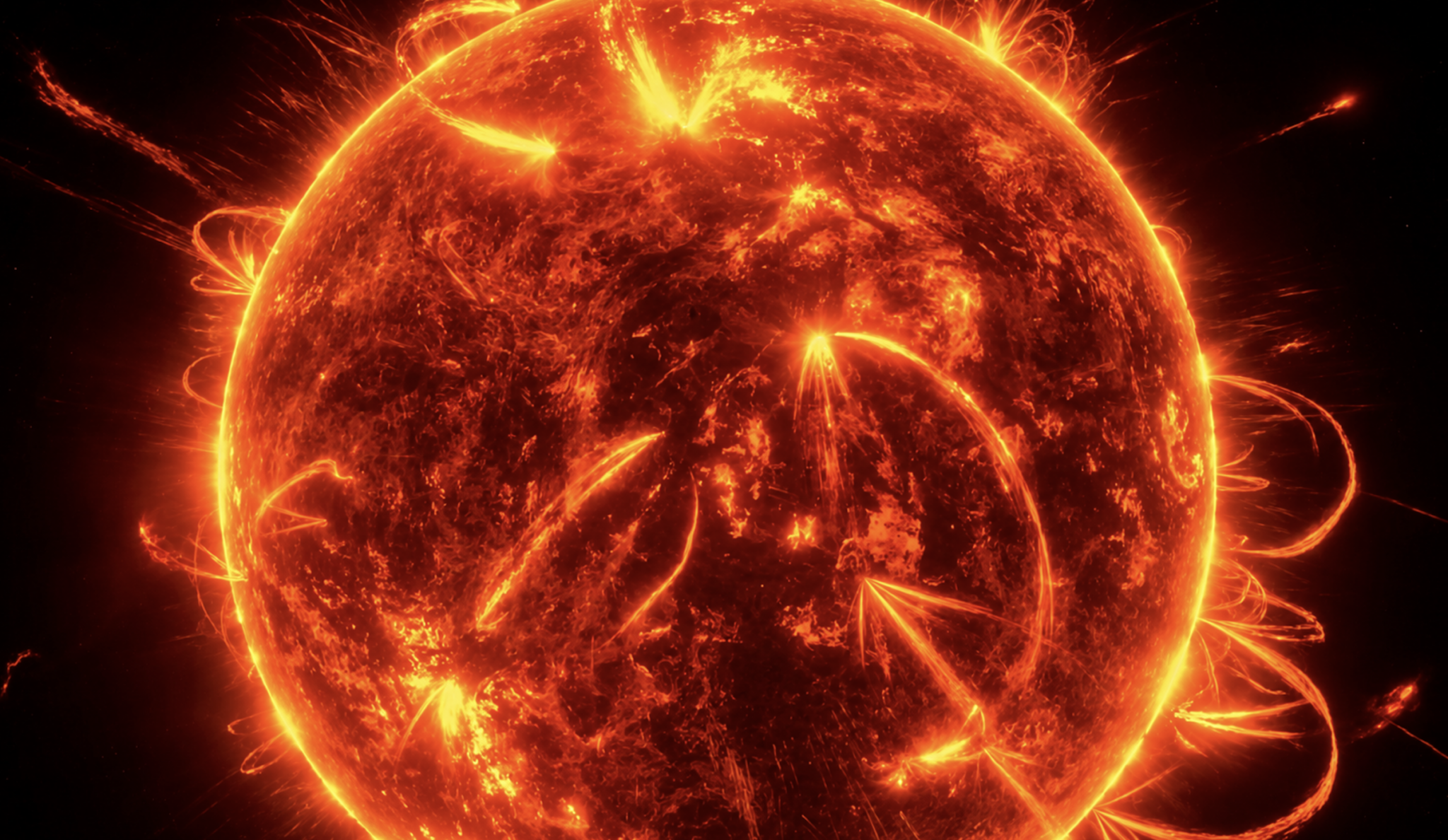
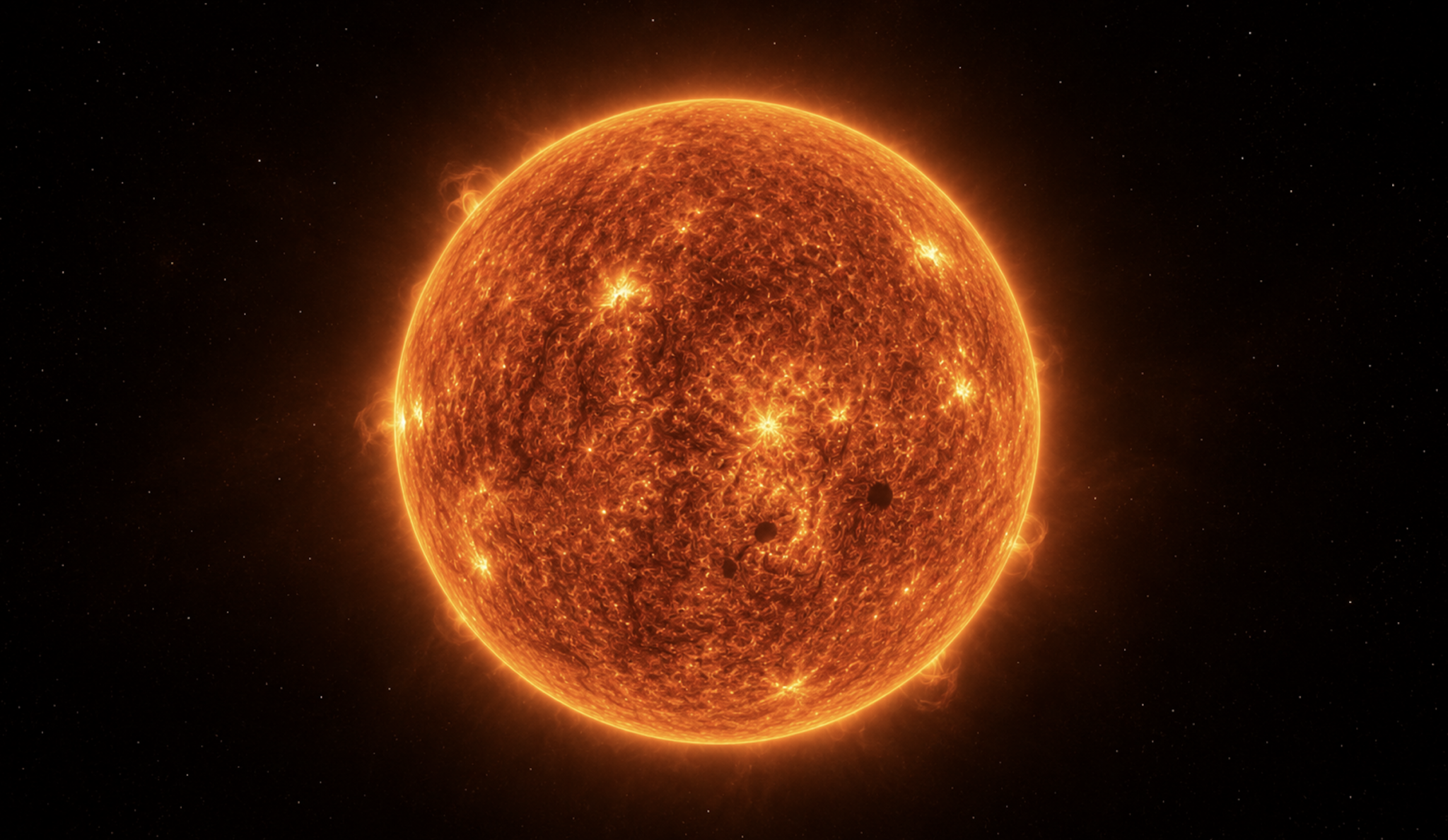
Now powered by nuclear fusion, the young Sun entered its main life stage, steadily converting hydrogen into helium and releasing enormous amounts of energy. Its surface reached about 5,500°C, while its core soared to roughly 15 million°C. The Sun’s size was just right for long term stability, since a smaller star would have been too dim and a larger one would have burned out quickly. A balance called hydrostatic equilibrium kept it stable, with gravity pulling inward and fusion pressure pushing outward for billions of years.
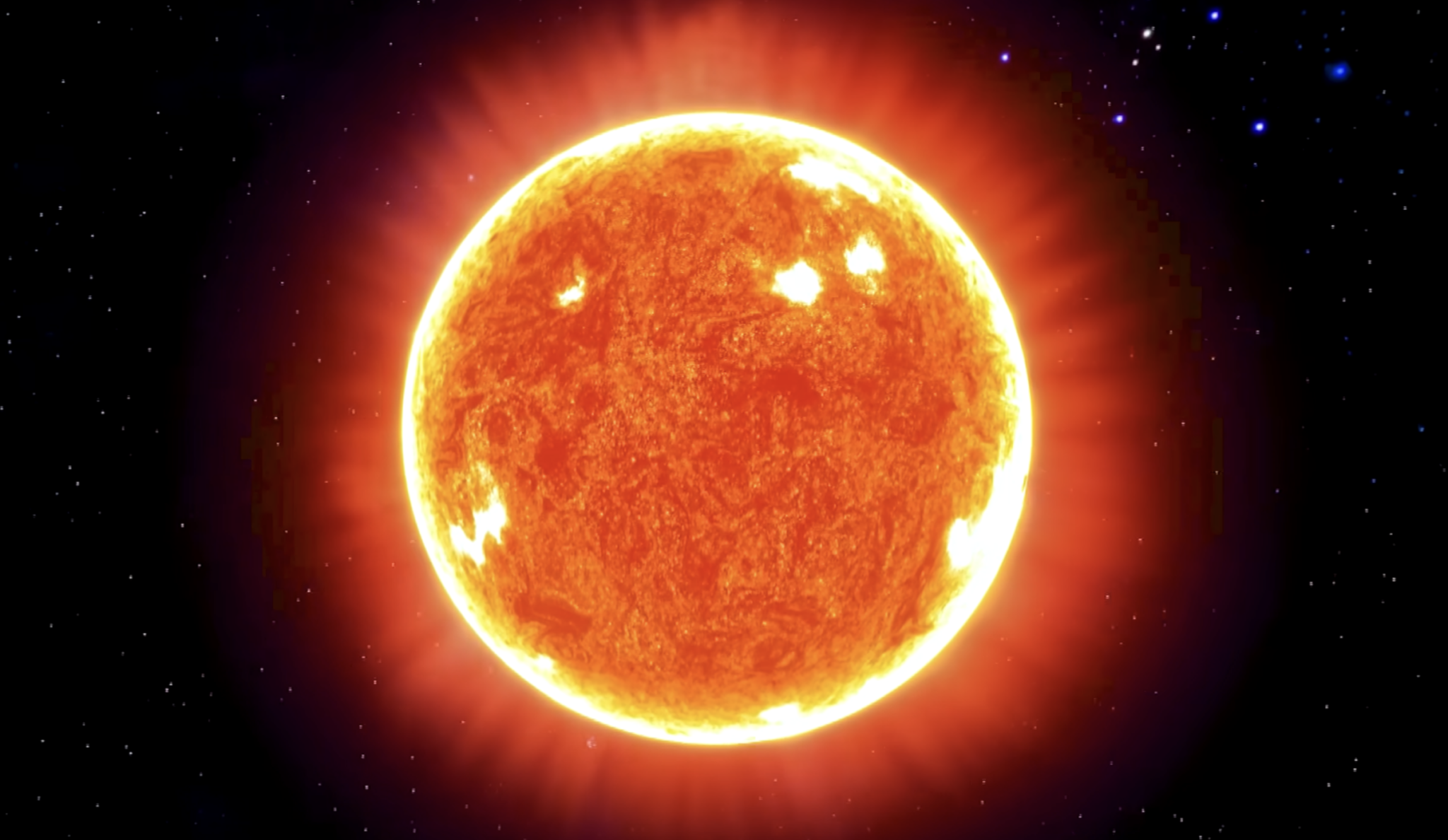
By this stage, the Solar System had completed its first orbit around the Milky Way, taking about 230 million Earth years. The young Sun was still developing and was only around 70 percent as bright as it is today. Over time, helium began to accumulate in its core, increasing pressure and raising internal temperatures. As a result, the Sun’s brightness slowly increased, a change that would later have major consequences for life on Earth.
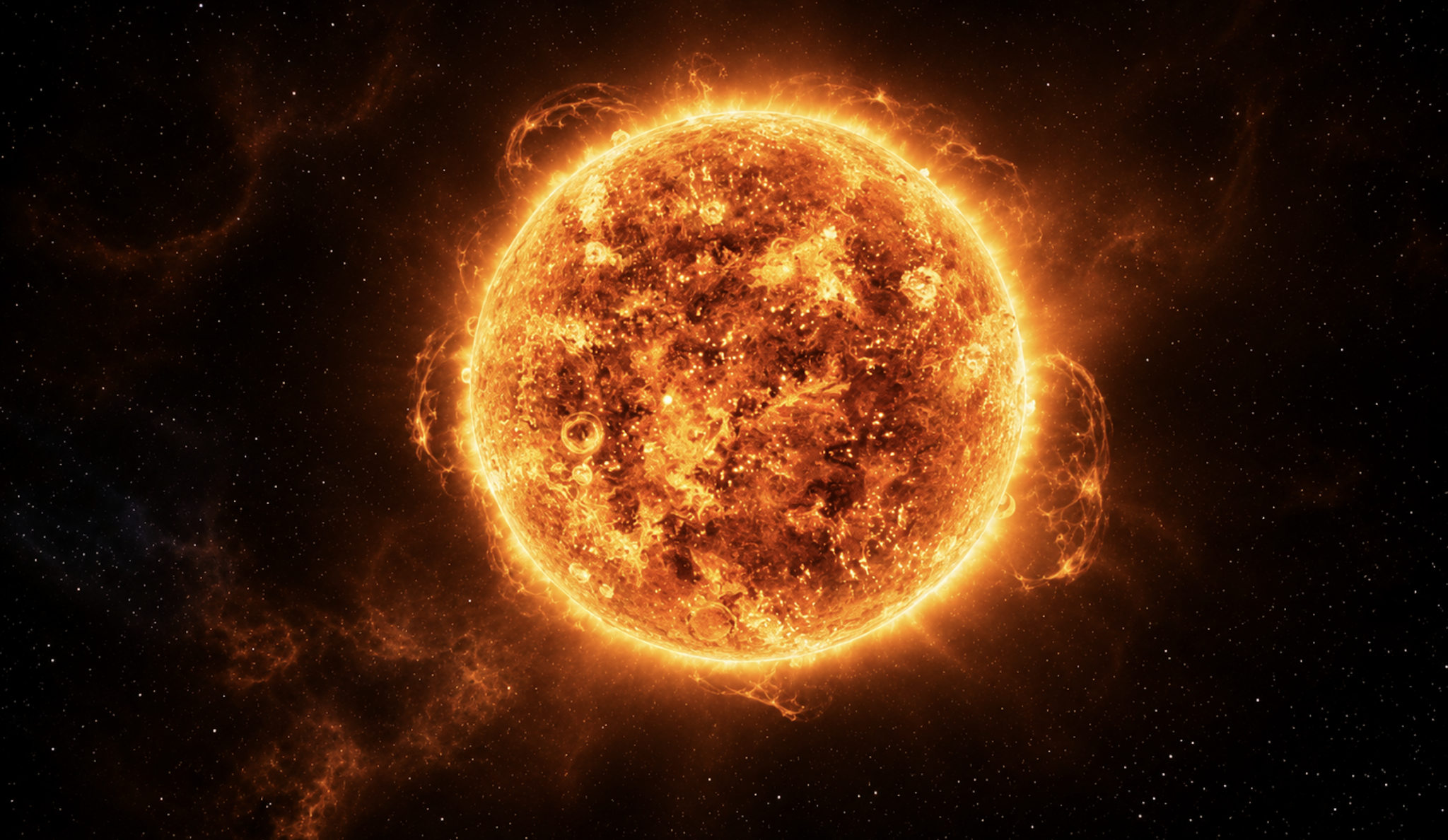
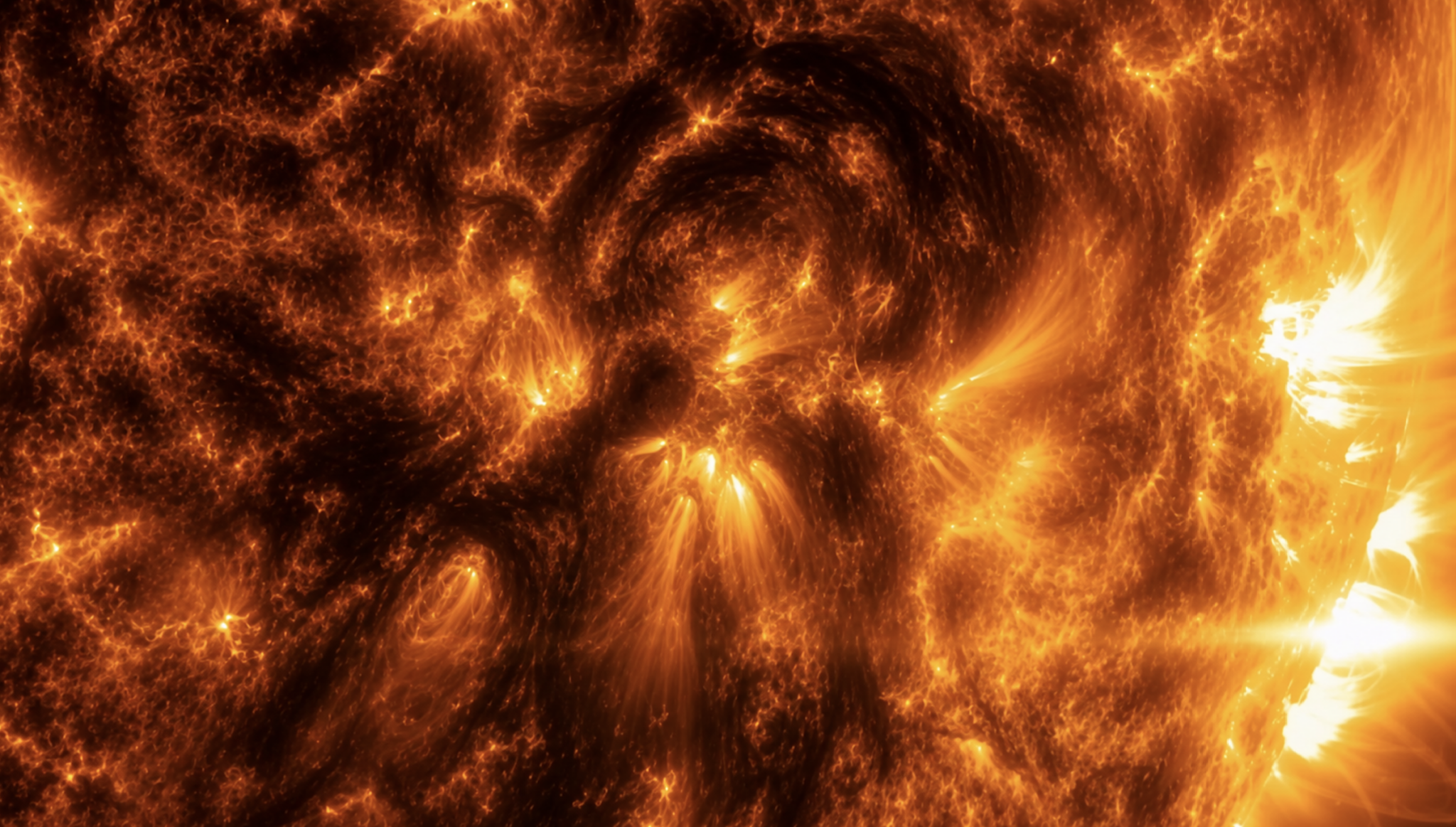
Today, the Sun is middle aged and rotates roughly once every 27 days. It is about 30 percent brighter than in its early life, with nuclear fusion still actively powering its core. The Sun is expected to continue this stable phase for about 5 billion more years before its hydrogen fuel begins to run out. Its balanced size and energy output made life on Earth possible, but its gradual evolution also means that Earth will not remain habitable forever. In the distant future, the Sun will expand into a red giant, dramatically transforming the inner Solar System. Eventually, it will shed its outer layers and leave behind a dense white dwarf, marking the final stage of its life cycle.
In about 600 million years, the Sun will become roughly 6 percent brighter, increasing the amount of energy Earth receives. This extra heat will gradually strip carbon dioxide from the atmosphere, shutting down photosynthesis and disrupting the base of the food chain. As plants disappear, animal life will follow, leaving ecosystems to collapse. Only parts of the oceans may remain habitable for a time as conditions become increasingly extreme. Even these last refuges will shrink as temperatures continue to climb. Eventually, Earth will move beyond the limits of complex life long before the Sun reaches its final stages.
Another 400 million years later, the Sun will be about 10 percent brighter than it is today, further increasing the energy reaching Earth. As helium builds up in the Sun’s core, rising temperatures will intensify a runaway greenhouse effect on our planet. Oceans will eventually evaporate, and water vapor in the atmosphere will break down into hydrogen and oxygen, leaving Earth a dry, barren world. Humanity would need to migrate elsewhere, potentially to other planets or even beyond our solar system. By this point, Earth would no longer be capable of supporting any form of complex life. It would stand as a stark reminder of a once habitable world slowly transformed by stellar evolution.
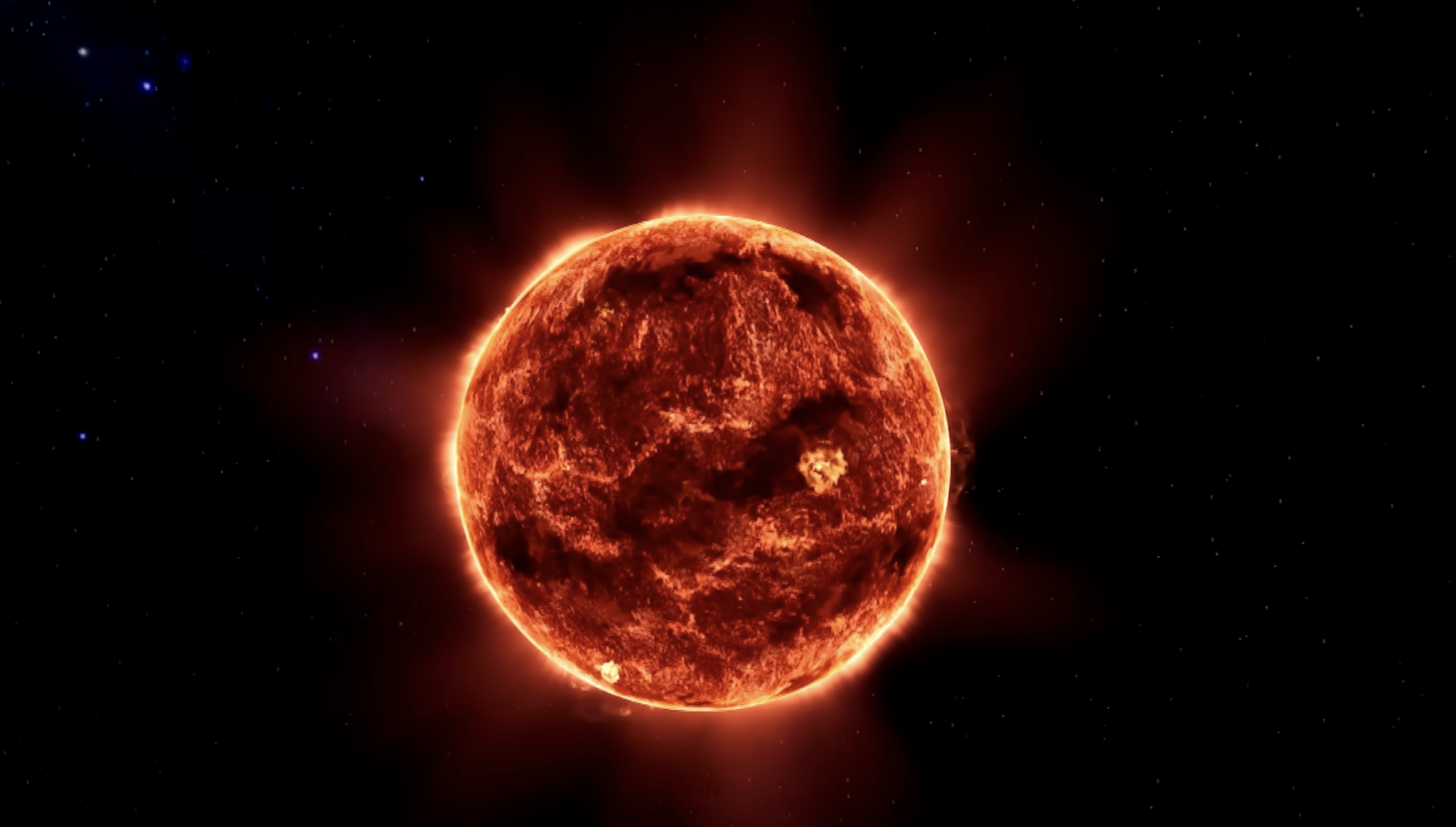
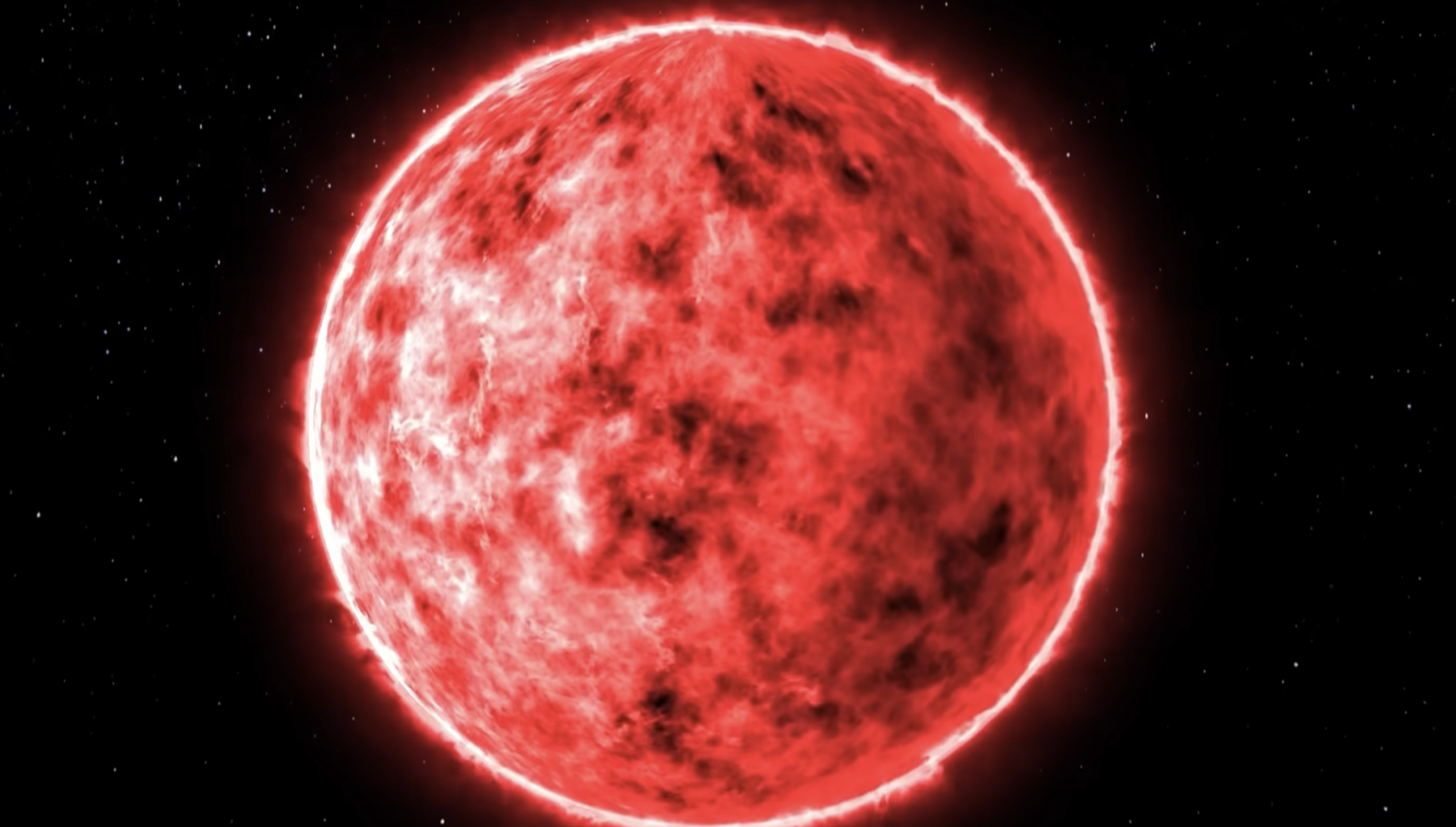
At around 9 billion years of age, the Sun will be nearing the end of its stable life on the main sequence. Its core will have built up a large amount of helium, forcing hydrogen fusion to shift into a surrounding shell and causing the outer layers to expand dramatically. As a result, the Sun will grow brighter and larger, likely entering its red giant phase and engulfing the inner planets, possibly including Earth. Surface temperatures will drop even as its total energy output increases, giving it a deep red glow. In its final stages, the Sun will shed its outer layers into space, forming a glowing planetary nebula. What remains will be a dense white dwarf, slowly cooling over billions of years.
At around 11 billion years of age, the Sun will have long completed its transformation into a white dwarf, the final remnant of its former life. No longer powered by fusion, it will simply glow from residual heat left over from its earlier, more active stages. Over time, this faint stellar core will continue to cool and fade, gradually losing its remaining brightness. The Solar System will be left cold and dark, with any surviving planets drifting through the remnants of a once vibrant star. In this distant future, the Sun will be little more than a silent ember, slowly disappearing into the darkness of space.
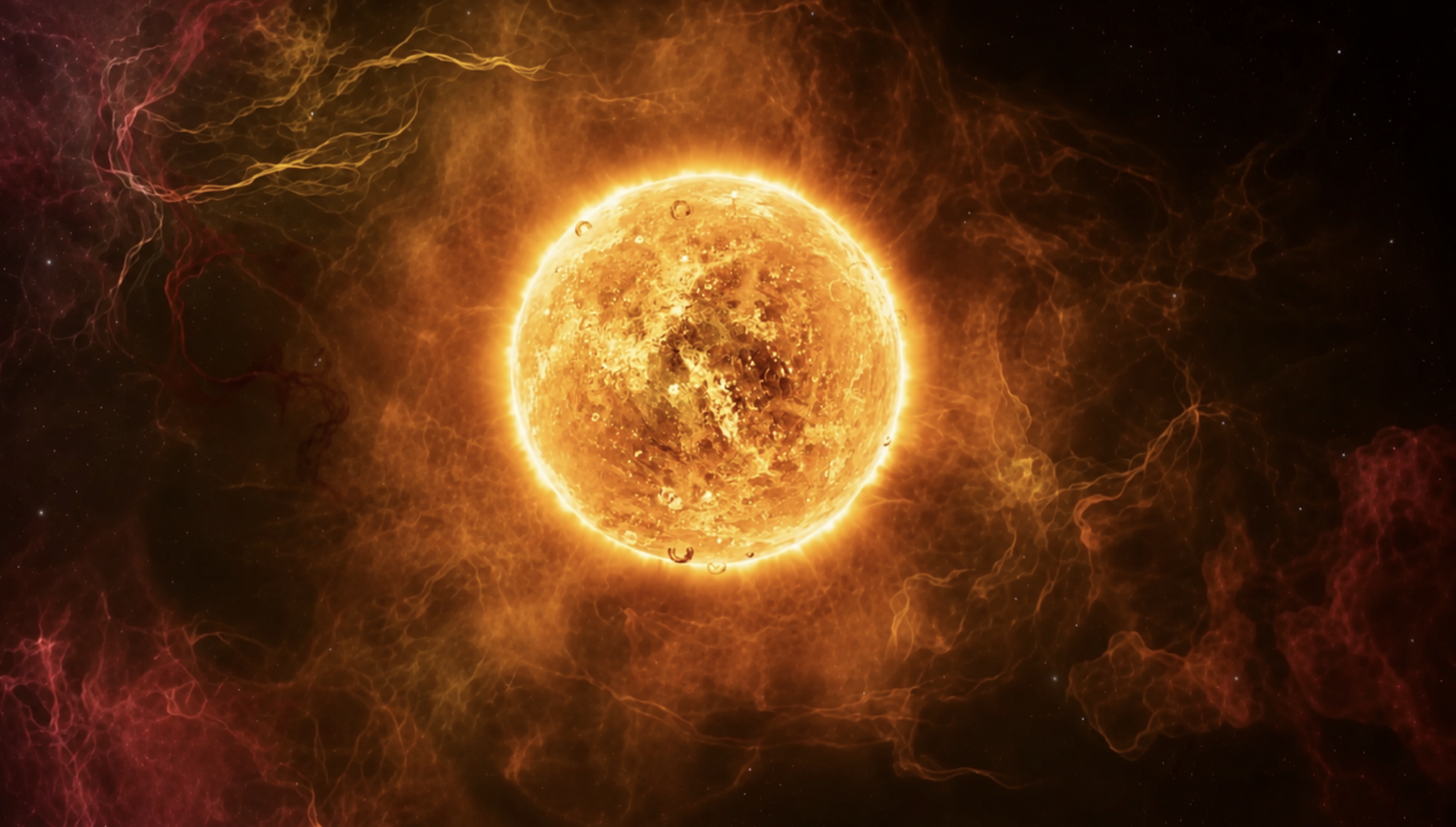
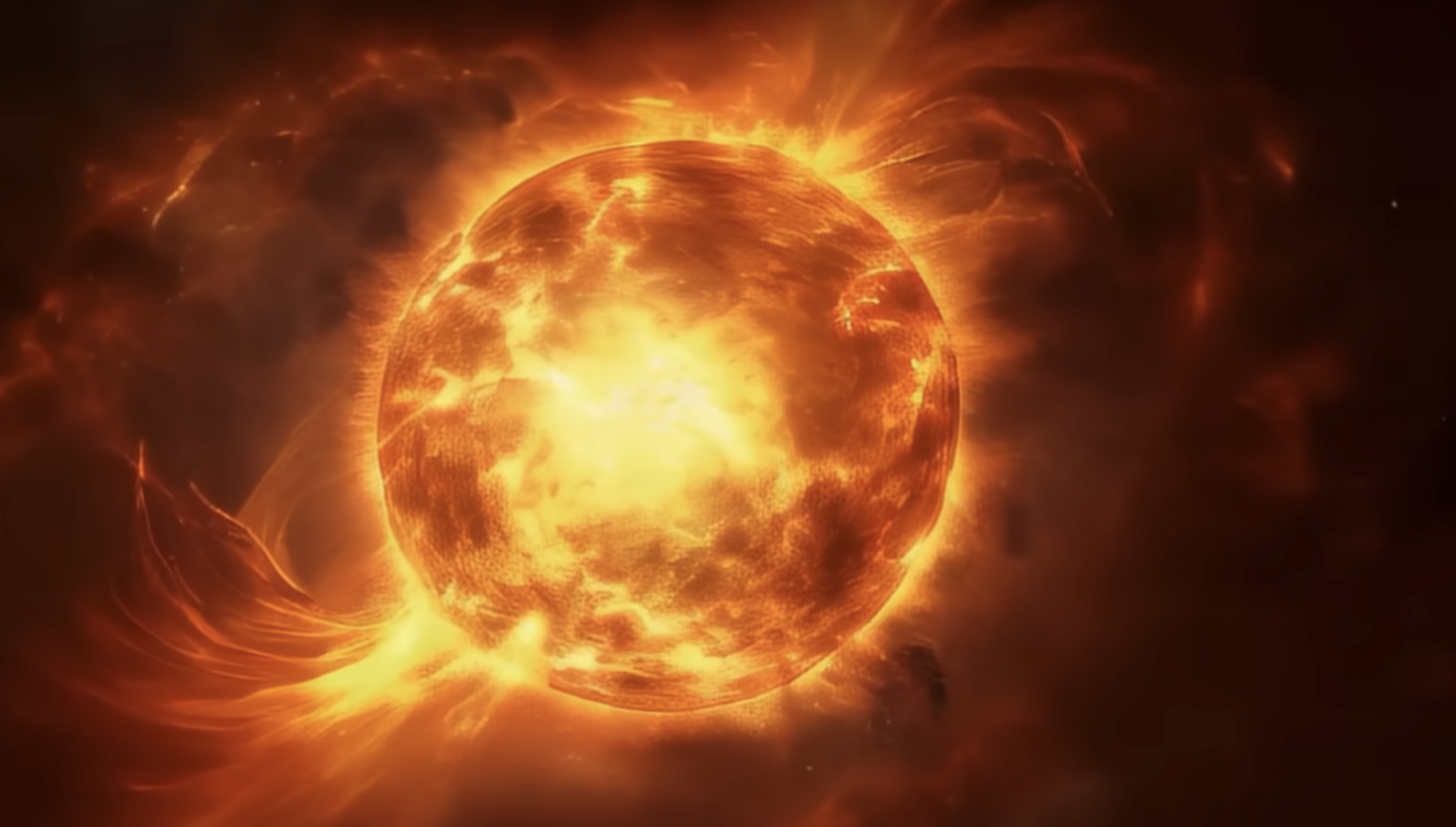
By this stage, the Sun is consuming its remaining fuel at an unstable and rapidly accelerating rate. Its core temperature climbs to around 100 million Kelvin, triggering a powerful helium flash in which a significant portion of the helium core ignites almost instantly. In a brief but intense surge, a few percent of the core burns explosively, causing the Sun to momentarily outshine much of the Milky Way. After this outburst, it begins to cool and expand into an orange yellow subgiant. Over the next 100 million years, it burns helium at a rate far higher than before, steadily building a carbon oxygen core. This marks a critical transition toward the Sun’s final evolutionary stages. Its structure becomes increasingly unstable as it prepares for its transformation into a red giant and eventual white dwarf.
After exhausting its helium, the Sun swells into a red giant with an inert carbon core at its center. Its outer layers become unstable and are violently expelled into space, with part of the material drifting into the interstellar medium while the rest collapses back toward the shrinking core. As the Sun loses mass, the orbits of the planets weaken and expand, though some distant objects such as Jupiter and many Kuiper Belt bodies remain gravitationally bound. The Solar System as we know it will still exist, but its familiar structure will be drastically altered. Earth and the inner planets will likely be engulfed or scorched beyond recognition. What remains will be a transformed system dominated by a cooling stellar remnant surrounded by scattered debris.
Subscribe
Notify of

0 Comments
Most Voted
Newest Oldest
Inline Feedbacks
View all comments