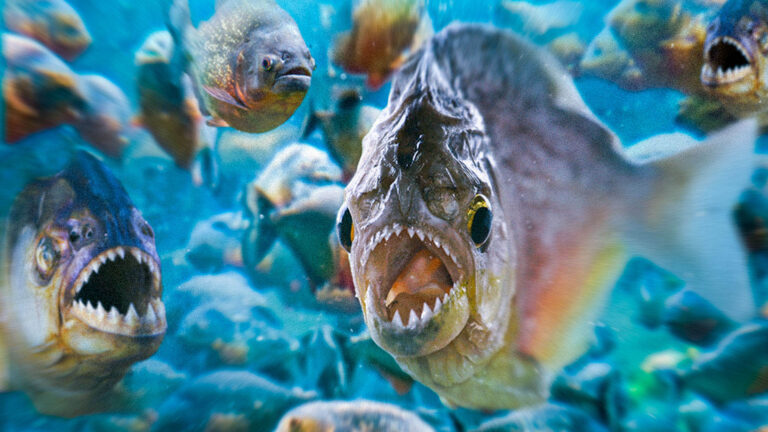
Hollywood taught you the wrong lesson.
In the movies, someone hits the water, the surface starts churning, and seconds later there is nothing left but a skeleton and a red stain. That version of the piranha has terrified audiences for decades, and almost none of it is true.
Here is what is actually true, and it matters far more if you ever end up in that water: the frenzy is fiction, but thrashing around is the one thing that genuinely puts you at risk.
Falling into an Amazon river is nobody’s idea of a good day. The water is dark, movement is disorienting, and panic arrives fast. And in rare cases, one of the most feared freshwater fish on Earth is swimming somewhere nearby: the red bellied piranha.
Your odds are far better than the films suggest. But only if you understand what these fish respond to.
Red bellied piranhas live throughout South America, most commonly in the Amazon Basin along with parts of the Orinoco and Paraná river systems. The sharp teeth and powerful jaws are real. The reputation attached to them is heavily inflated.
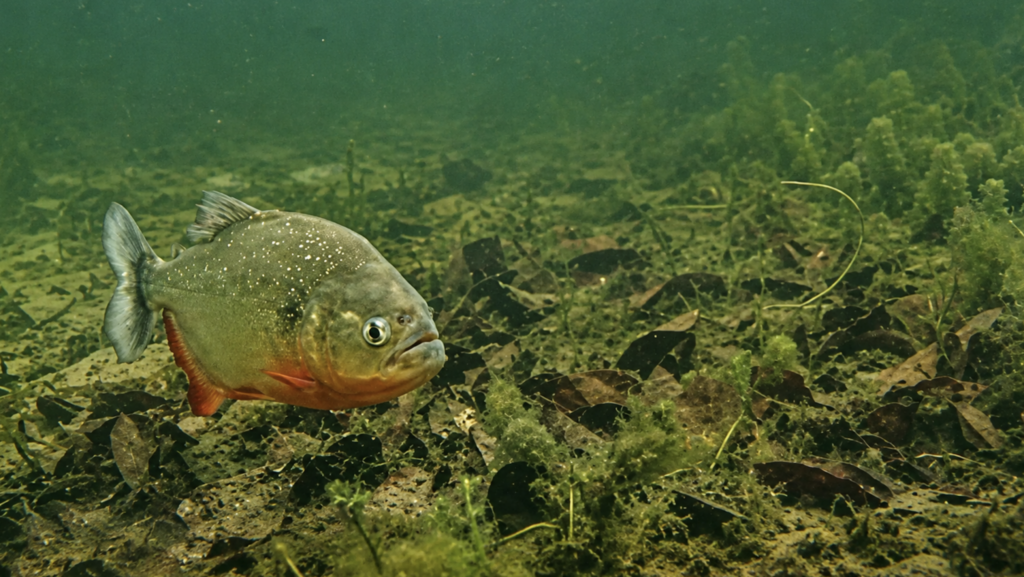
Most piranha species are scavengers or opportunistic feeders. Even the red bellied piranha generally goes after smaller fish, insects, or carrion rather than large animals.
Humans are not on the menu.
Encounters do happen, but they usually require specific circumstances: low water levels, food scarcity, or blood already present in the water. And even in those situations, what follows is typically a defensive nip or an exploratory bite, not a coordinated attack.
So what should you actually do if you find yourself in that river?
The single most important step is simple. Get out of the water as quickly as you can. Staying still in shallow water raises your risk, while calmly swimming toward a boat or the shore is generally the safest move available.
And here is the rule that matters most.
Do not splash.
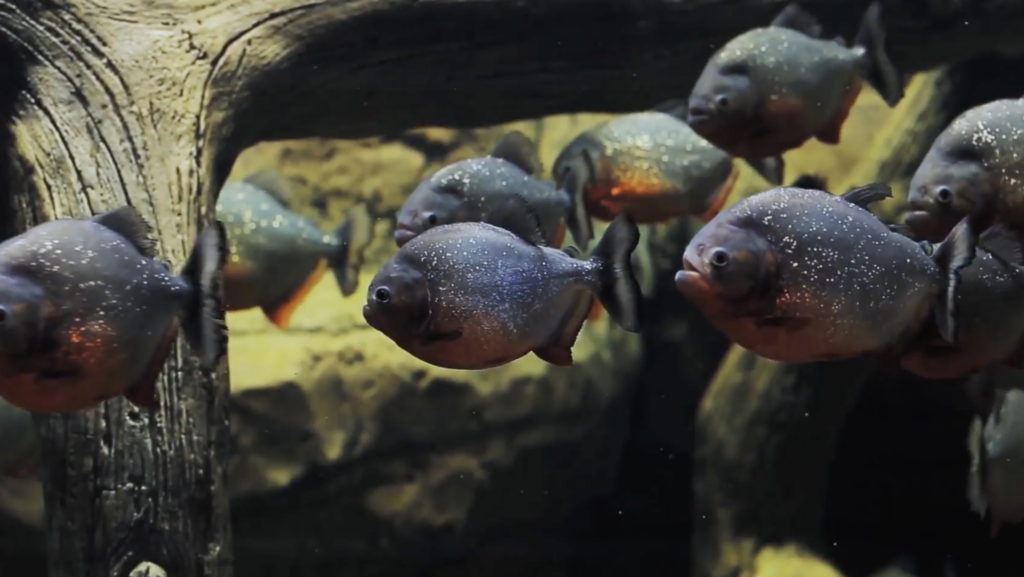
Piranhas carry a highly developed sensory system tuned to detect movement and vibration through water. To that system, sudden violent splashing reads as one specific thing: an injured animal in distress.
Frantic thrashing is not self defense. It is an advertisement.
The irony is brutal. Panic is exactly what the movies trained you to do, and panic is the behavior most likely to draw attention. In most natural situations these fish are not hunting humans at all, and they tend to avoid larger threats entirely.
The second rule concerns blood. Open wounds increase the chance of attracting attention because of the scent carried through the water. It does not guarantee anything, but it raises the risk in a situation that is already stressful.
Timing matters too. Caution is especially warranted during dry seasons, when falling water levels concentrate fish into smaller spaces and competition for food intensifies.
Once you are back on land, deal with any injuries immediately.
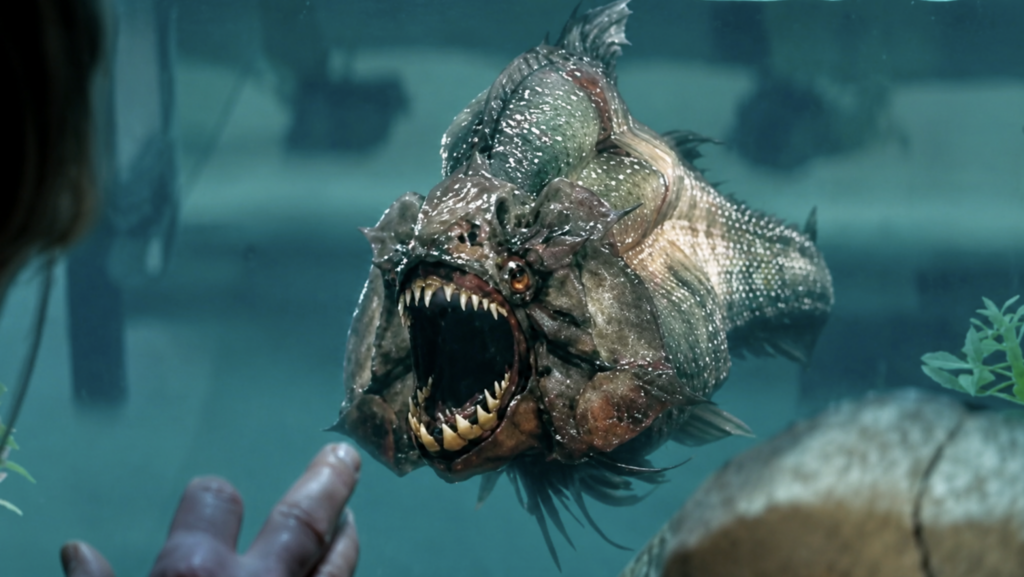
Piranha bites produce sharp lacerations thanks to their scissor like teeth, and deeper wounds may need medical attention. Infection is a genuine concern in river conditions, so even minor bites deserve proper cleaning and care.
Now step back and look at the real picture.
Piranhas are not unstoppable predators. Most human encounters end with minor injuries, and severe incidents are extremely rare. People share these waters regularly without anything happening, particularly when they stay calm and avoid the conditions that provoke a reaction.
The relentless feeding frenzy is a myth built almost entirely by popular media. The reality is a cautious fish doing an important job in its ecosystem as a scavenger and opportunistic feeder.
Which means surviving a piranha encounter has almost nothing to do with fighting. It comes down to control, awareness, and getting yourself out of the water efficiently.
Keep your head, keep your movements smooth, and the animal Hollywood turned into a monster will almost certainly leave you alone.