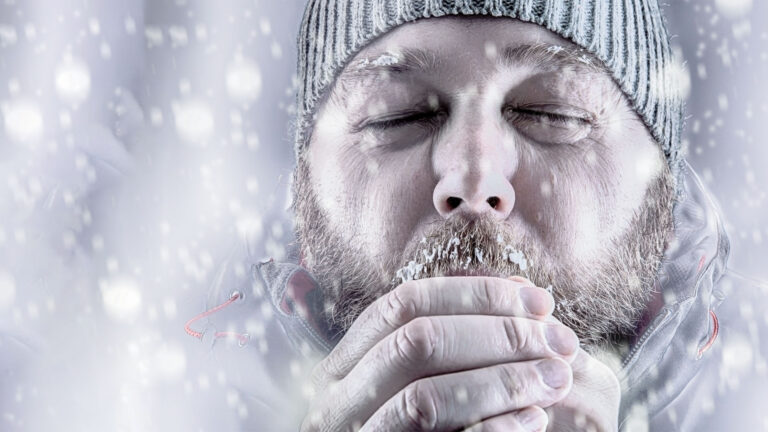
You are hiking through a beautiful winter landscape when the weather suddenly changes. A snowstorm moves in, visibility disappears, and you realize you are no longer sure where you are.
The cold begins taking control. Your fingers become numb, your body starts shaking, and an overwhelming tiredness takes over.
That feeling of extreme sleepiness may seem harmless, but it could be one of the first warning signs that your body is losing its ability to survive the cold.
This is hypothermia, a dangerous condition that happens when your body temperature drops below 35°C (95°F). If it is not treated quickly, it can lead to confusion, loss of coordination, unconsciousness, and eventually death.
Millions of people around the world are affected by extreme cold every year, making it important to understand how hypothermia starts and what to do before it becomes life threatening.
Dress For The Unexpected
The best way to survive hypothermia is to prevent it before it begins.
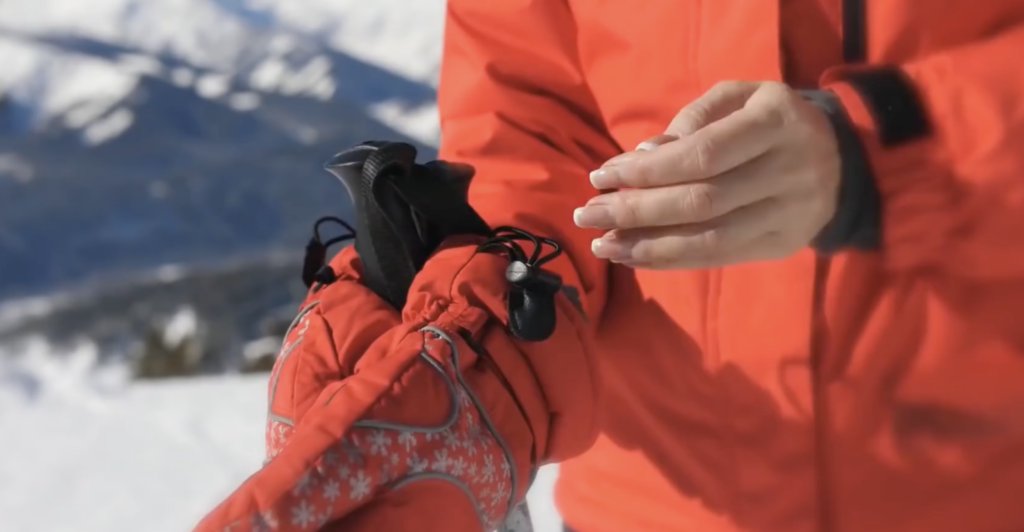
When heading into cold conditions, wear warm, loose clothing and use multiple layers to trap heat. Cover exposed skin with a hat, gloves, and a properly insulated jacket.
One common mistake is dressing only for the amount of time you expect to be outside. Instead, prepare for the possibility that you may be outdoors much longer than planned.
Weather can change quickly, and being prepared for unexpected delays could save your life.
Keep Moving But Do Not Exhaust Yourself
Shivering is one of the body’s first defenses against the cold. Your muscles rapidly contract to create heat and maintain your core temperature.
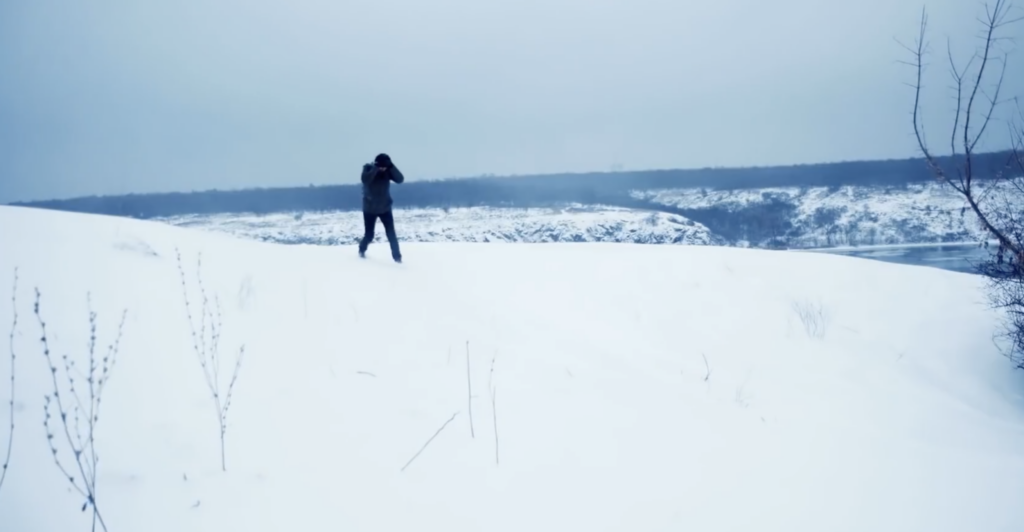
As hypothermia develops, you may begin feeling confused, weak, and extremely tired. This is one of the most dangerous stages because your brain may convince you that lying down and resting is a good idea.
It is not.
Falling asleep in freezing conditions can be deadly. If you are stranded, keep moving to generate heat, but avoid exhausting yourself. Use your energy wisely and focus on finding shelter.
Get Warm As Soon As Possible
If you start shivering uncontrollably or feel your body temperature dropping, get inside a warm, dry place immediately.
Remove wet clothing and replace it with dry layers if possible. Wet clothes pull heat away from your body and make hypothermia develop much faster.
A warm, sweet, caffeine free drink can help raise your body temperature from the inside. Warm broth is another good option.
Avoid alcohol because it makes your body lose heat faster. Coffee and other caffeinated drinks can also put extra stress on your body when it is already struggling.
If you experience a fast heartbeat, shallow breathing, severe confusion, or extreme weakness, seek medical help immediately.
Surviving Hypothermia In Cold Water
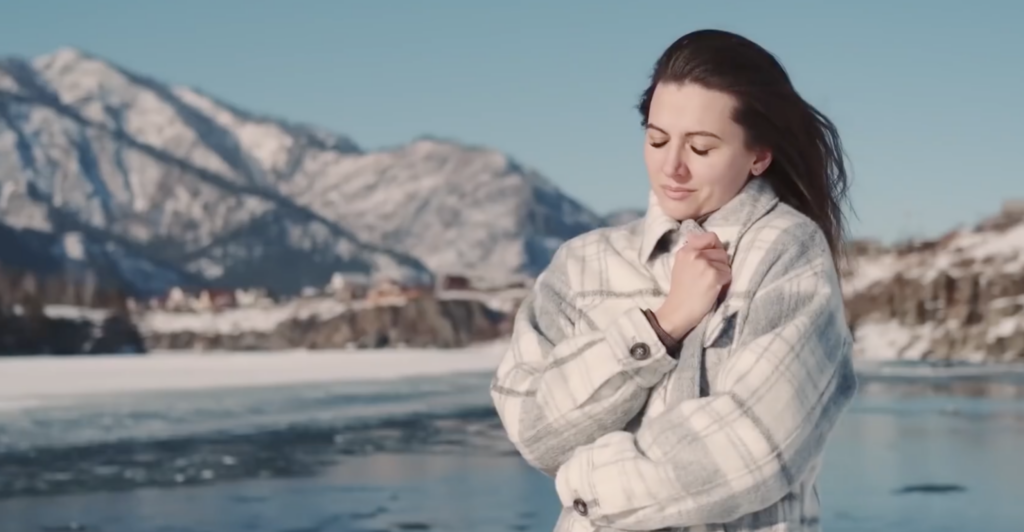
Hypothermia does not only happen during snowstorms. Cold water can remove heat from your body much faster than cold air, making it one of the leading causes of death in drowning situations.
If you fall into cold water, do not panic. Keep your head above the surface and focus on staying calm.
A life jacket can keep you floating while also providing some insulation. If you cannot escape the water quickly, use the Heat Escape Lessening Position, also known as the H.E.L.P. position.
Bring your knees toward your chest and wrap your arms around your body to protect your core heat. Do not waste energy trying to swim long distances unless you are certain you can reach safety.
Call for help and conserve your strength.
Help Someone Suffering From Hypothermia
If you find someone showing signs of hypothermia, get medical help immediately.
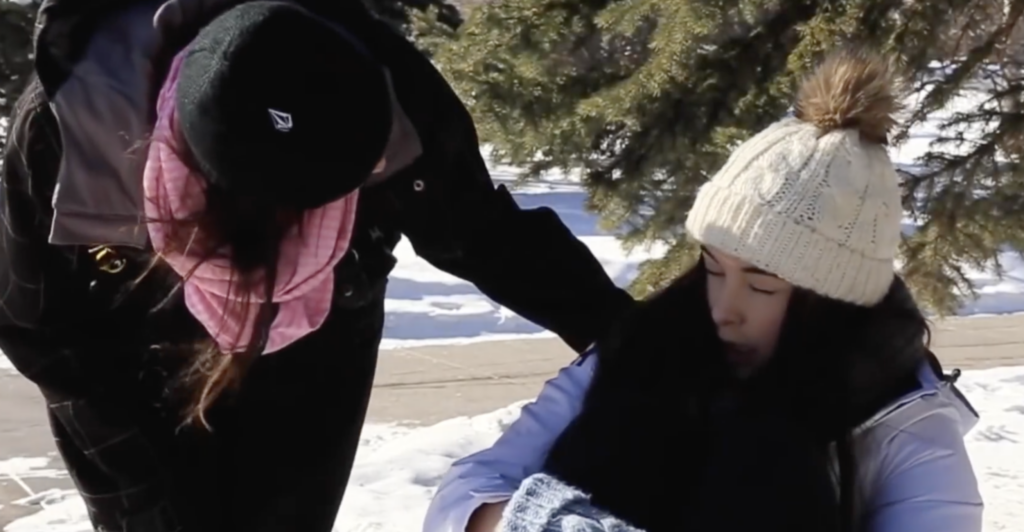
Move them to a dry, warm location and remove wet clothing. Wrap them in blankets, coats, or dry towels to help restore their body temperature.
You can also place warm water bottles wrapped in cloth near their body, especially around the chest area. However, avoid using extremely hot water or direct heat sources because they can damage cold affected tissues.
Do not rub or massage the person’s skin. This can increase injuries. Instead, use gentle handling and help them warm up gradually.
The most dangerous part of hypothermia is that the victim may not realize how serious their condition has become. The first sign is often not dramatic pain or panic, but a sudden feeling of exhaustion and the desire to sleep.
In freezing conditions, that feeling is your body sending a warning. Stay awake, find shelter, and take action before the cold takes control.