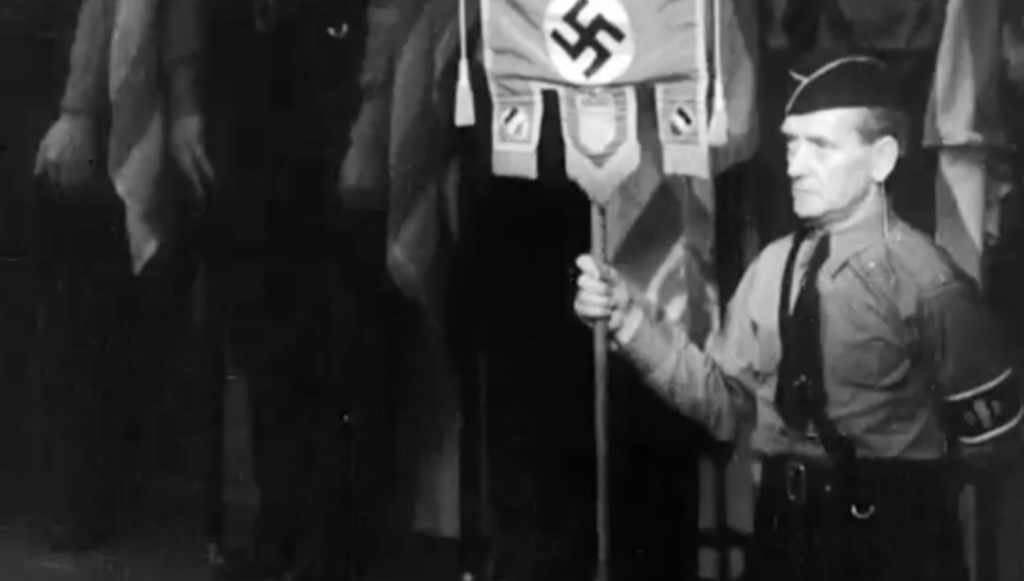
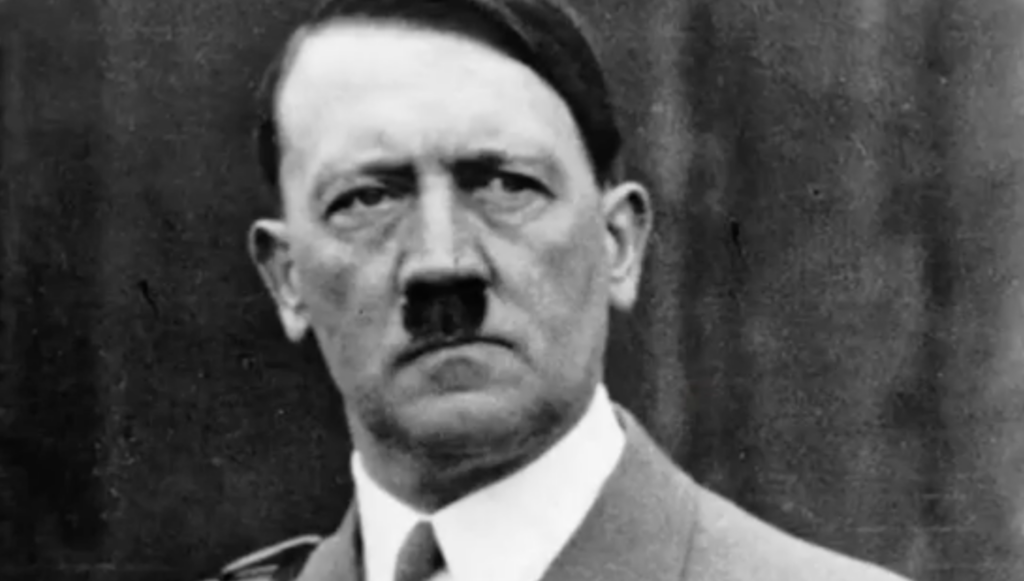
It sounds impossible today, but in the 1930s, a Nazi movement existed inside the United States. While Nazi Germany was rising in Europe, American supporters of Adolf Hitler’s ideology were organizing, spreading propaganda, and gathering followers across the country.
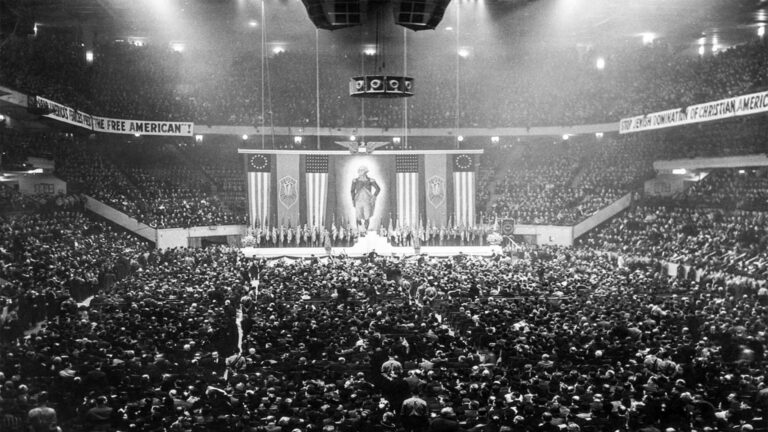
One of the most shocking moments came in February 1939, when 20,000 people gathered inside Madison Square Garden for a massive Nazi rally. The event was organized by the German American Bund, a group that promoted Nazi beliefs and openly spread antisemitic messages.
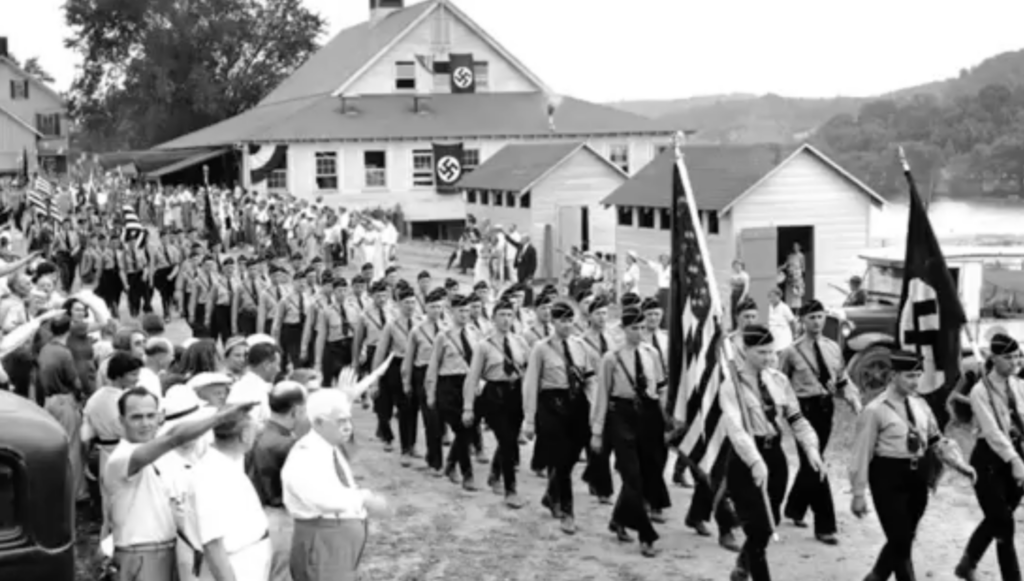
The gathering was designed to display the strength of the movement and convince supporters that their ideas had a future in America. Thousands of Nazi sympathizers traveled from across the country to attend, including people who had previously hidden their support for the movement.
Outside the venue, the reaction was completely different. Nearly 100,000 protesters gathered to oppose the rally and condemn the spread of Nazi ideology. Tensions were high, and authorities feared the event could turn violent.
To maintain order, New York City prepared a massive police presence, with around 1,700 officers surrounding the area.
The city’s mayor at the time, despite having a Jewish mother, chose to allow the event to continue because he believed even hateful groups were protected under American free speech laws.
Inside Madison Square Garden, the rally followed the organizers’ plans until a Jewish protester managed to reach the stage. He was immediately attacked by security and Nazi supporters before being removed from the event.
Although the rally attracted thousands of followers, the movement would not last. Less than a year later, the group’s leader was sent to prison for financial crimes, including embezzlement. With its leadership destroyed and World War II beginning, the American Nazi movement rapidly declined.
Today, the event remains one of the darkest and most surprising chapters in New York City’s history. It serves as a reminder that extremist ideas can appear even in unexpected places, and that understanding the past is essential to preventing history from repeating itself.