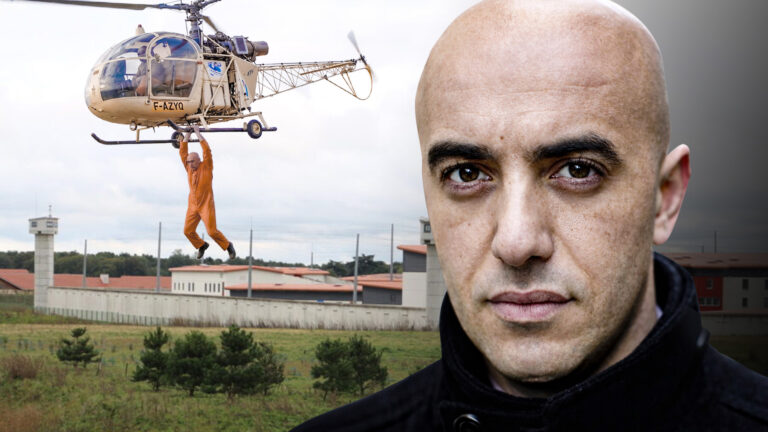
On July 1, 2018, something happened outside Paris that sounded less like real life and more like a movie scene. Armed men hijacked a helicopter, flew it directly into a prison courtyard, and extracted one of France’s most notorious criminals in a mission that lasted only minutes.
The man they freed was Rédoine Faïd, and this was not even his first escape.
French authorities later described the operation as a “precision commando mission” that lasted about ten minutes. By the time alarms fully triggered, Faïd was already in the air, disappearing over the horizon inside a stolen helicopter. It was bold, fast, and executed with military level coordination.
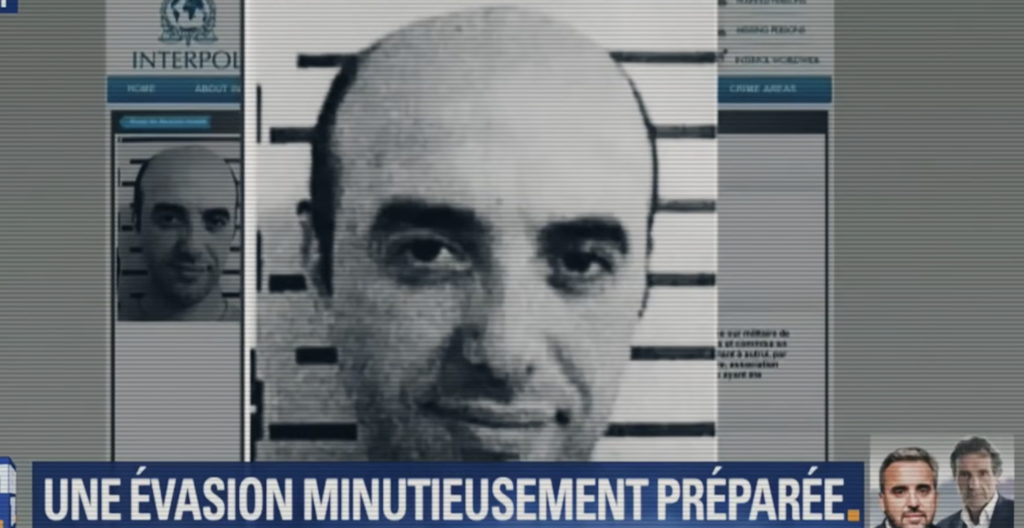
To understand how a man could escape prison twice, including once by helicopter, you have to understand who Rédoine Faïd is. He is not a typical criminal driven by chaos or desperation. He treats crime like a carefully planned production.
Born in 1972 in northern France to an immigrant family, Faïd grew up in difficult neighborhoods where opportunity was limited. He quickly turned to crime, but unlike many others, he approached it with structure and discipline. He described his robberies as a profession, something he refined like a craft rather than a reckless act.
By the 1990s, Faïd had become a skilled armed robber involved in organized heists. He studied police tactics, used disguises, and planned operations with precision. He even drew inspiration from Hollywood films, especially crime thrillers like Heat, which he reportedly watched repeatedly to analyze robbery scenes.
That obsession with detail showed up in real life. In 1997, he took part in a major armored truck robbery near Paris that escalated into a gunfight with police. Although wounded, he escaped with millions in cash. It was an early sign that Faïd’s plans were not only bold, but also dangerously effective.
Even after arrests across Europe and multiple prison sentences, Faïd repeatedly managed to escape custody. In one instance, he fled from a hospital after overpowering an officer. In another, he used fake identities and border crossings to stay ahead of authorities. Each time he was caught, he studied his failures and adjusted.
After a series of convictions tied to violent robberies, Faïd was eventually imprisoned for many years. But imprisonment did not stop him. Instead, it became part of his planning environment.
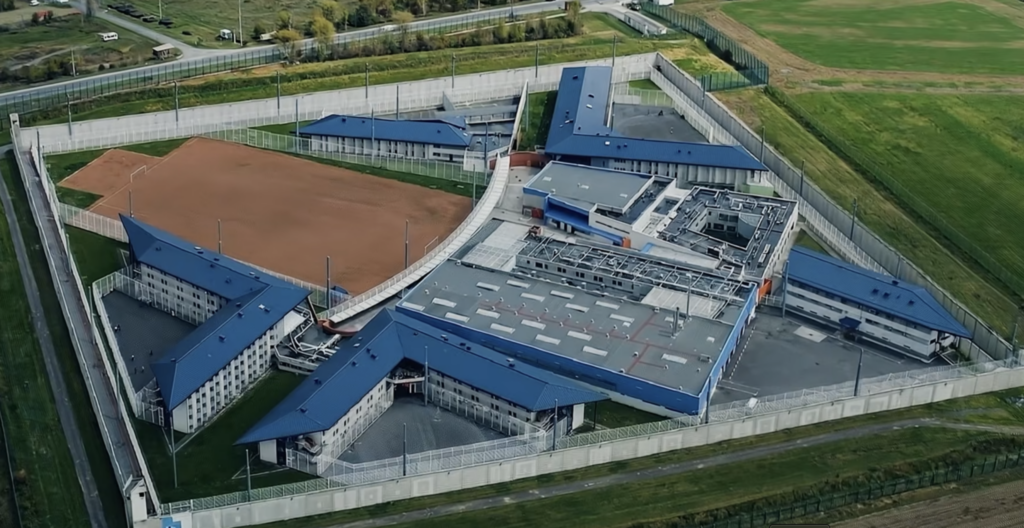
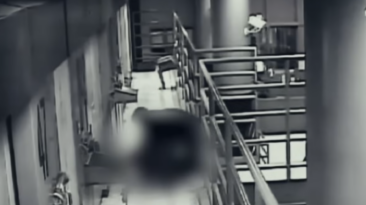
His first major prison escape happened in 2013 at Séquedin Prison. During a controlled visit, Faïd smuggled in weapons and explosives hidden inside what looked like ordinary items. When the moment came, he took staff hostage and used explosives to blast through multiple reinforced doors.
What made the escape so effective was not just violence, but timing and control. He negotiated calmly with guards, exploited routine procedures, and moved through the prison system step by step. In under half an hour, he was outside the walls.
He was recaptured weeks later, but authorities responded by placing him in an even more secure facility, Réau Prison. It was designed specifically to prevent escapes like his. High walls, controlled movement, surveillance systems, and reinforced barriers made it appear impossible to break out.

But Faïd was already planning again.
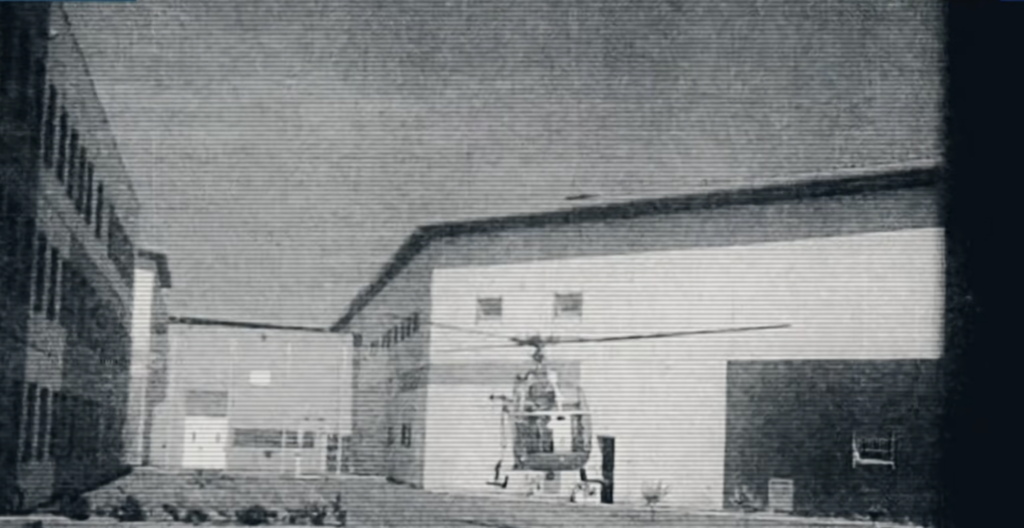
Years later, in 2018, a helicopter landed inside the prison courtyard during visiting hours. Smoke bombs disrupted visibility, cutting tools opened barriers, and Faïd was extracted directly from the prison yard. Guards had no time to react before he was gone.
Investigators later revealed the level of coordination involved. The helicopter pilot had been forced to participate. The aircraft was carefully chosen to fit the limited landing zone. Timing was synchronized with Faïd’s movements inside the prison. It was not a spontaneous escape. It was an operation built over time.
He remained on the run for 93 days before being captured again in his hometown. This time, there was no dramatic chase, just surveillance, observation, and recognition.
In the end, Rédoine Faïd’s escapes were not successful because of luck alone. They worked because of planning, patience, exploitation of routine, and a deep understanding of how systems fail when human behavior is predictable.
His story is not just about prison breaks. It is about how structure itself can be studied, mapped, and sometimes defeated when someone is willing to treat it like a puzzle rather than a barrier.