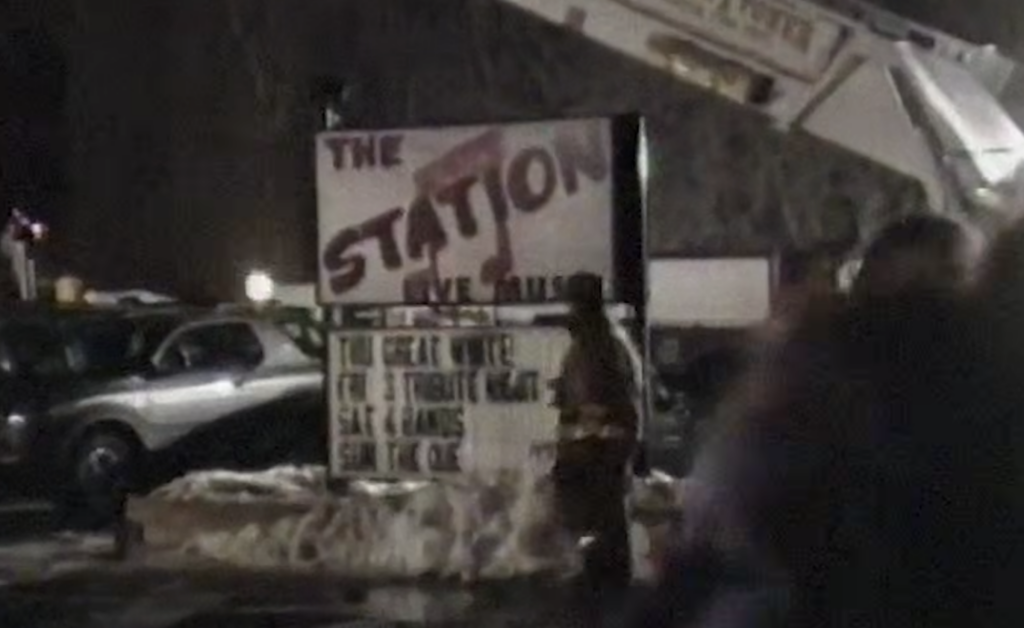
On February 20, 2003, around 450 people packed into the Station nightclub in West Warwick, Rhode Island, for a night of rock music and cheap beer. At 11:07 p.m., the band Great White took the stage, and what happened next turned an ordinary night out into one of the deadliest nightclub fires in American history.
Tour manager Daniel Biechele set off four pyrotechnics as the band began performing. Within seconds, flames caught the walls around the stage. At first, many people in the crowd thought the fire was part of the show, but Jack Russell soon noticed the flames and realized something was seriously wrong.

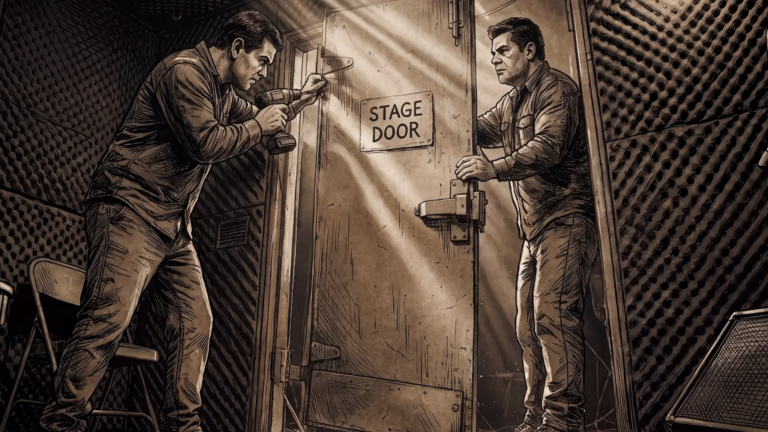
Gina Russo and her fiancé, Fred Crisostomi, rushed toward a nearby stage door, hoping to escape. But a bouncer refused to let them through, telling them the door was only for the band and that club policy prevented people from using it. They turned back toward the main entrance, and just 41 seconds after the first spark, the fire alarm sounded.
Hundreds of people then rushed toward the front entrance as the fire spread across the building. One of the double doors was locked, leaving only a 33 inch opening for the crowd to escape. People were crushed together at the entrance, while smoke, flames and toxic fumes filled the room. Within about 90 seconds, anyone who had not escaped had little chance of getting out, and nearly 100 people, including Fred, never made it outside.
But the fire itself was only part of the reason the tragedy became so deadly. The investigation revealed a series of failures that had left hundreds of people trapped inside a building that could become an inferno within seconds.
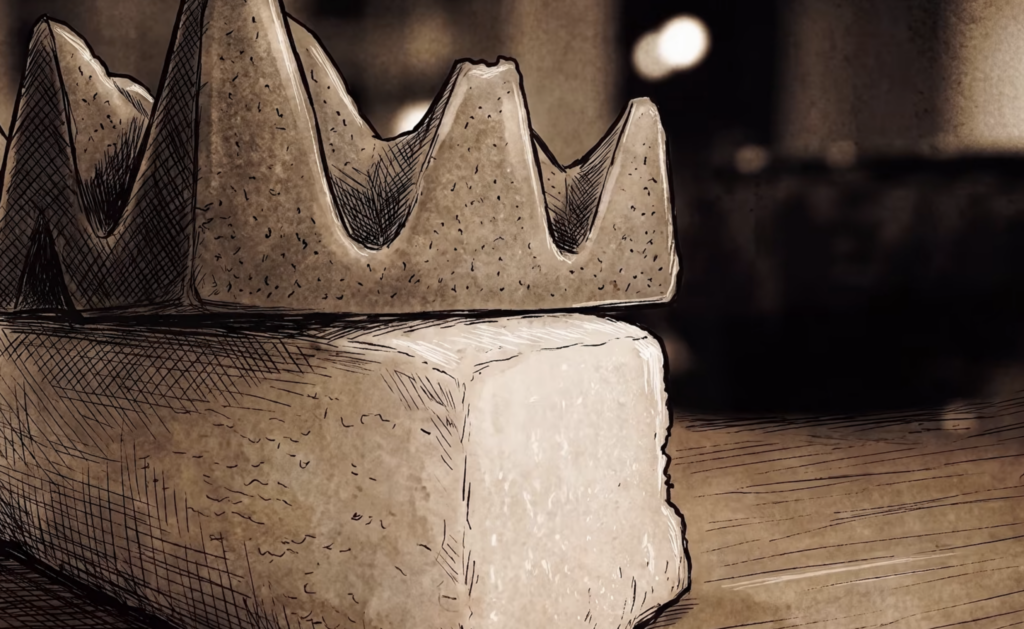
One of the most important problems was the material surrounding the stage. The walls were covered with flammable foam, and the local fire marshal had previously walked past the material during inspections without flagging it. Once the pyrotechnics ignited the foam, the flames spread rapidly through the nightclub.
The exits then became a critical part of the disaster. The stage door that Gina and Fred tried to use was unavailable to them, while the main entrance became overwhelmed by hundreds of people trying to escape at once. With one of the double doors locked, the crowd was forced through a much smaller opening, creating a deadly pileup.
The emergency response was also difficult. The first fire truck arrived at 11:13 p.m., but the entire venue was already engulfed, with dozens of people trapped around the doorway. The engine had only one firefighter and one officer, half its usual crew, and its onboard water supply eventually ran out. Additional crews arrived, water began flowing, and the roof collapsed at 11:40 p.m.
Across the street, emergency workers treated the injured as more than 200 severely injured people were treated or transferred during the response. Mike Vargas, who had been trapped beneath the crowd, was eventually rescued around 12:30 a.m. Gina survived, but she remained in a medically induced coma for 11 weeks before waking and learning that Fred had died.
By the morning, investigators faced a devastating scene. Ninety six people had died at the nightclub, 230 were injured, and the death toll eventually reached 100.
The investigation also raised questions about who had allowed the pyrotechnics to be used. Jack Russell said the band had permission from the venue, while owners Jeffrey and Michael Derderian denied knowing about or approving the pyrotechnics.
In the end, the tragedy was not simply a matter of flames spreading through a nightclub. Flammable material, blocked escape routes, overcrowding at the entrance and failures in fire safety turned a fire that began on stage into a catastrophe. The most disturbing part was that many of these conditions could have been prevented.