Termites are some of the oldest insects on Earth, with fossils dating back around 130 million years to the Early Cretaceous period. Today, they can be found on six of the seven continents, but they prefer warm and humid environments where their colonies can thrive.
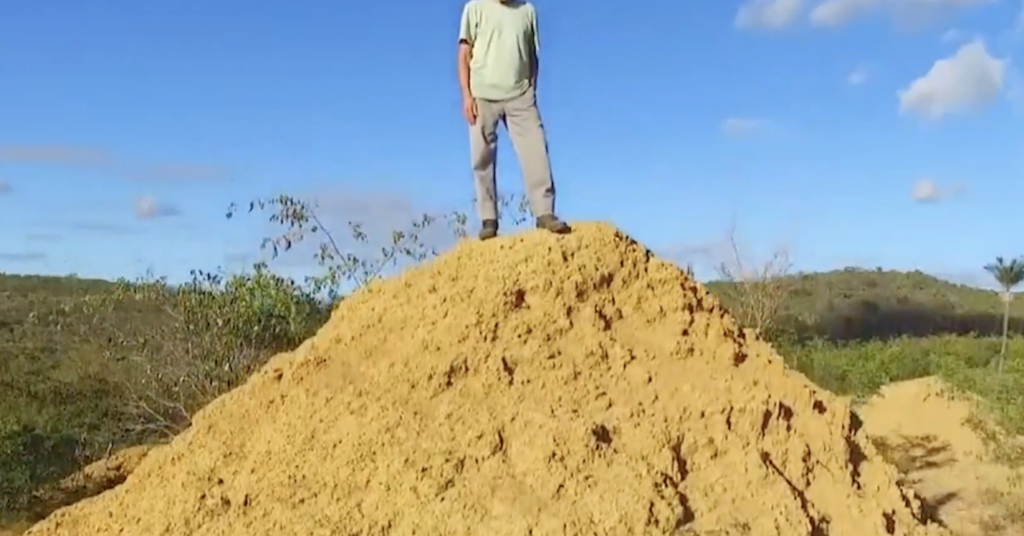
These colonies can become unbelievably large. In 2018, researchers discovered a 4,000 year old termite super complex in Brazil containing around 200 million mounds spread across an area almost the size of Great Britain, showing just how massive these insect societies can become.
So how do termite colonies grow to such enormous sizes? The answer begins with the most important termite in the entire colony: the queen.
The queen is the founder of the colony and her main purpose is reproduction. After mating, she moves underground and begins producing thousands of eggs every day for years, creating the next generation of workers and soldiers.
A queen termite can lay up to 30,000 eggs per day for around 15 years. That means she can produce an egg roughly every three seconds, making her one of the most productive creatures in the insect world.
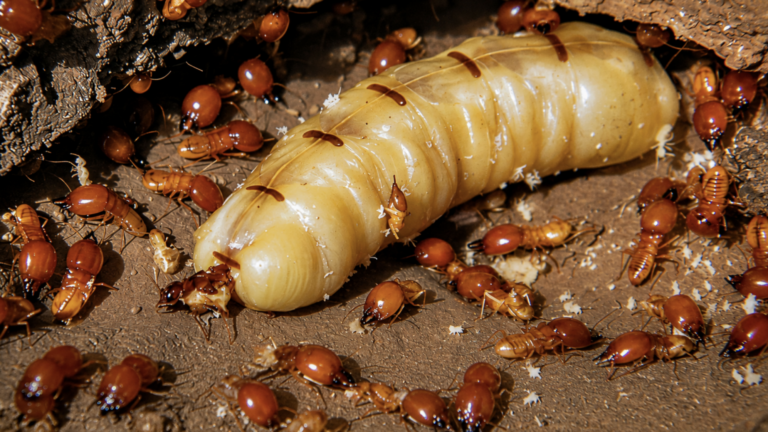
To support this incredible egg production, the queen’s body changes dramatically. She starts out small, but her abdomen grows larger and larger until she can reach around 11 centimeters in length, making her much bigger than every other termite in the colony.
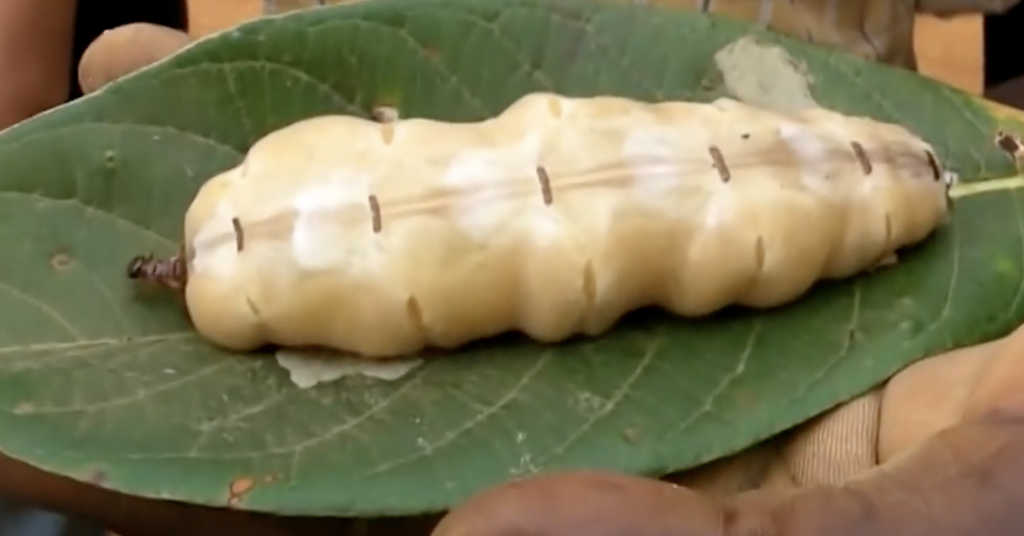
However, this enormous size creates a major problem. The queen becomes so large and filled with eggs that she can no longer move on her own, forcing worker termites to take care of her every need.
Workers feed the queen, protect her, and constantly clean her body by licking her. For years, they surround her and make sure she survives because the entire colony depends on her ability to continue producing eggs.
But eventually, the queen reaches the end of her life. After producing hundreds of millions of eggs and receiving constant care from workers, her role in the colony comes to an end.
This is when termites display one of their strangest behaviors. Instead of allowing the queen’s body to decay, workers begin licking her aggressively and consuming her remains.
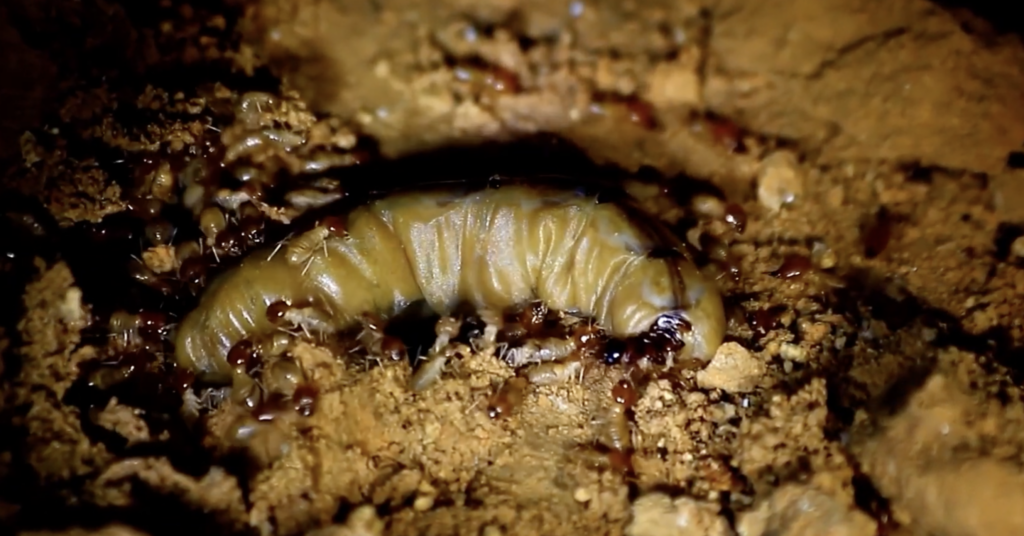
Scientists are still studying exactly why termites eat their own queen, but there are several possible explanations. Termite colonies are extremely efficient at recycling resources, so wasting the queen’s body would make little sense.
The queen contains valuable nutrients, including fats and fluids, that can be redistributed throughout the colony. Some researchers believe that consuming the queen may also help termites recover nitrogen, which is difficult to obtain from their normal diet.
Termite colonies require enormous amounts of energy to survive, and their main food source is something most animals cannot digest: wood. This is also why termites can become a major problem when they invade homes and buildings.
In the United States alone, termites cause around $5 billion in property damage every year. They feed on wooden structures and plant material, slowly weakening buildings from the inside while often remaining hidden.
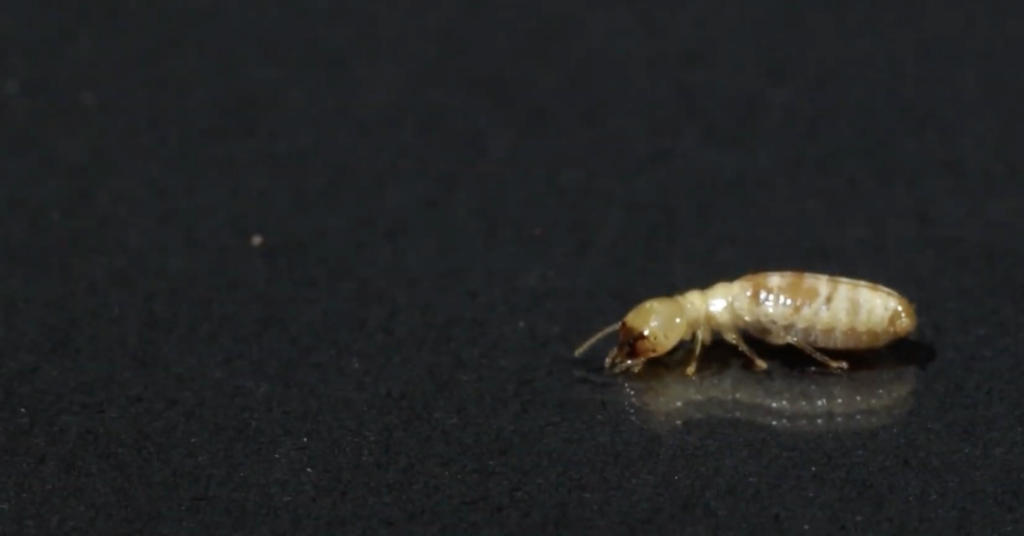
Although wood seems like a poor source of nutrition, it contains cellulose, a complex material made of sugar molecules. Termites survive because special microorganisms inside their digestive systems help break down cellulose and turn it into energy.
The surprising part is that termites are not born with these helpful microbes. They must receive them from other members of the colony through a process where termites exchange food and digestive fluids.
This unusual system allows entire colonies to survive on a diet that would be impossible for most creatures. Every termite has a specific role, from workers maintaining the colony to soldiers protecting it and the queen creating future generations.
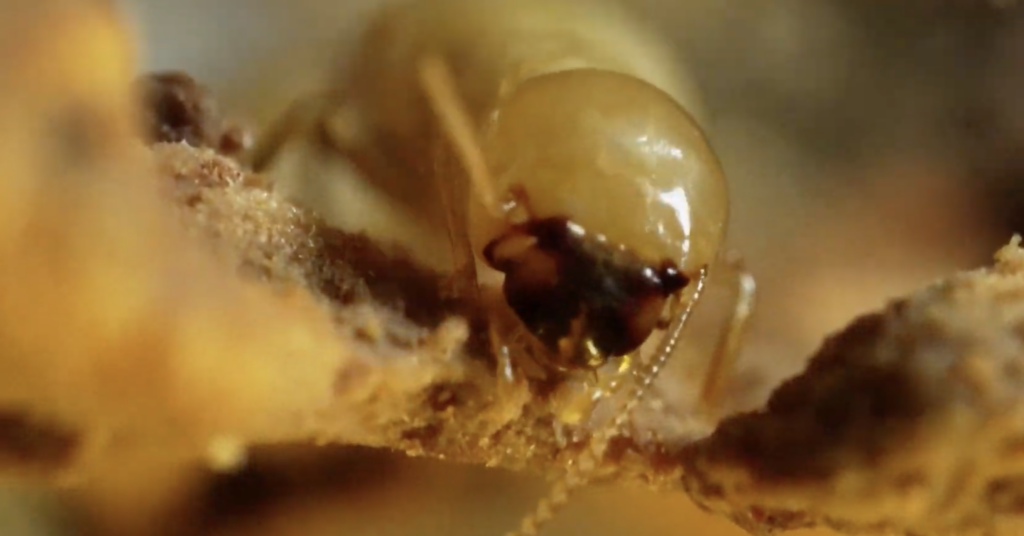
Even after death, the queen continues to benefit the colony by providing valuable nutrients. Instead of seeing her as wasted remains, termites treat her body as another resource that helps keep the colony alive.
They build enormous underground civilizations, damage billions of dollars worth of property, and consume their own queen when her purpose is complete. This strange combination of cooperation, destruction, and survival is what makes termites some of the most fascinating creatures on Earth.