
When people think of medieval monks, they often imagine silent figures living in isolated monasteries, spending their days praying and studying religious texts. But behind the walls of these ancient buildings, many monks were also skilled farmers, cooks, craftsmen, and even expert brewers.
For centuries, monks have been producing some of the world’s most famous beers. But the reason they started brewing was not simply because they enjoyed a drink.
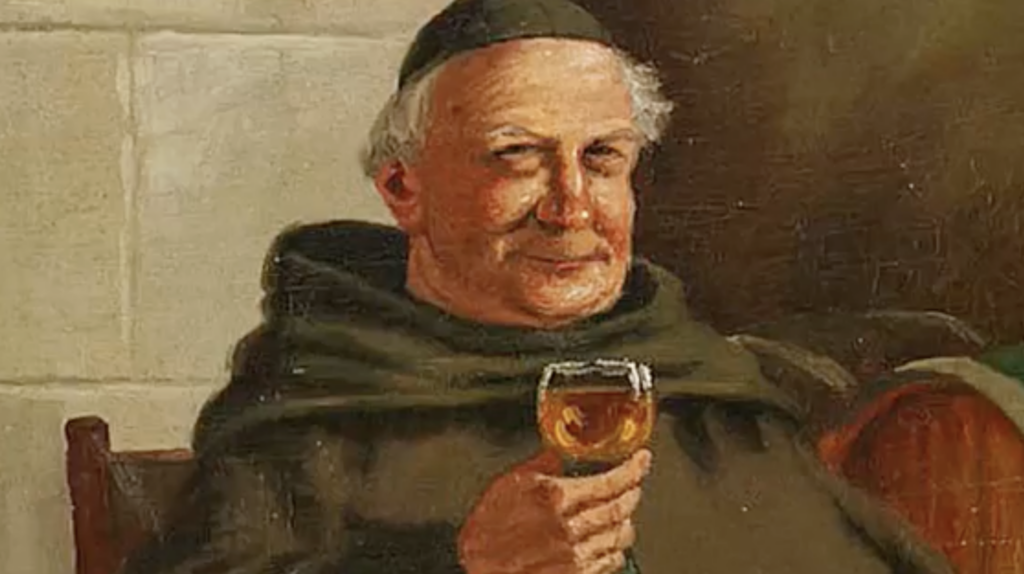
In medieval Europe, beer was considered an important part of daily life. Clean drinking water was not always easy to find, and contaminated water could spread dangerous diseases. The brewing process involved boiling water, which helped make beer a safer alternative to drinking directly from questionable sources.
Because of this, monks began making beer not only for themselves but also to help the communities around them.
Monasteries became centers of agriculture and craftsmanship, and brewing became another way for monks to serve others. At their peak, hundreds of monasteries across Europe had their own breweries, producing beer that became highly respected for its quality.
Many monasteries developed a unique system for their brewing process. They created different types of beer depending on who would receive it.
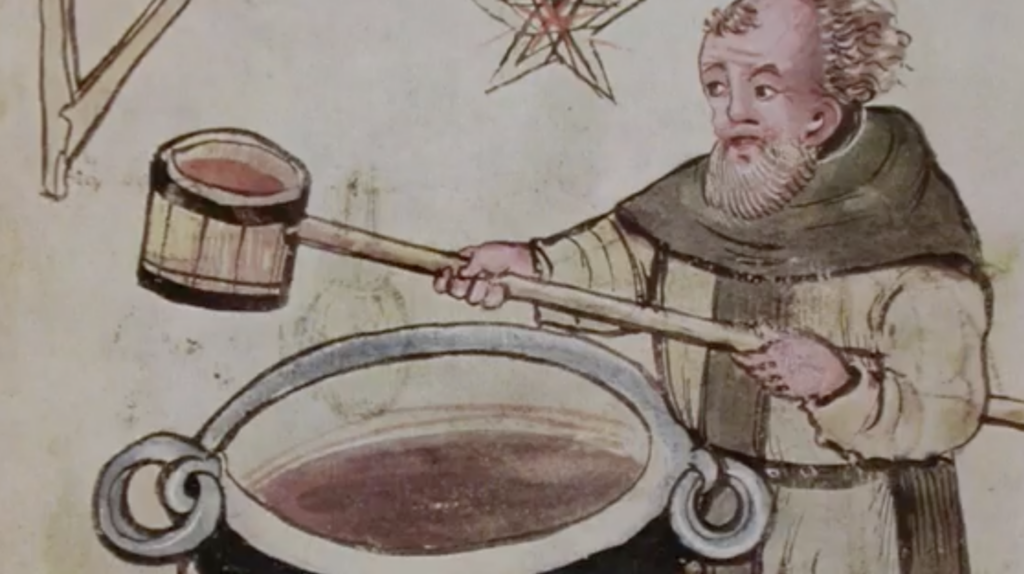
The strongest and richest beer was often sold to travelers and visitors who could afford it. A medium strength version was kept for the monks themselves. The weakest batch was usually given away as charity to the poor and those in need.
Over time, monks became some of the greatest brewers in Europe. They carefully recorded recipes, experimented with ingredients, and improved their techniques over generations. Since they believed their work was done in service of God, they aimed to create the highest quality beer possible.
For some monks, beer even became an important source of nutrition. During periods of fasting, certain monks relied heavily on beer because it provided calories and energy while following religious restrictions. Some reportedly drank several liters a day.
As centuries passed, the reputation of monastery beer continued to grow.
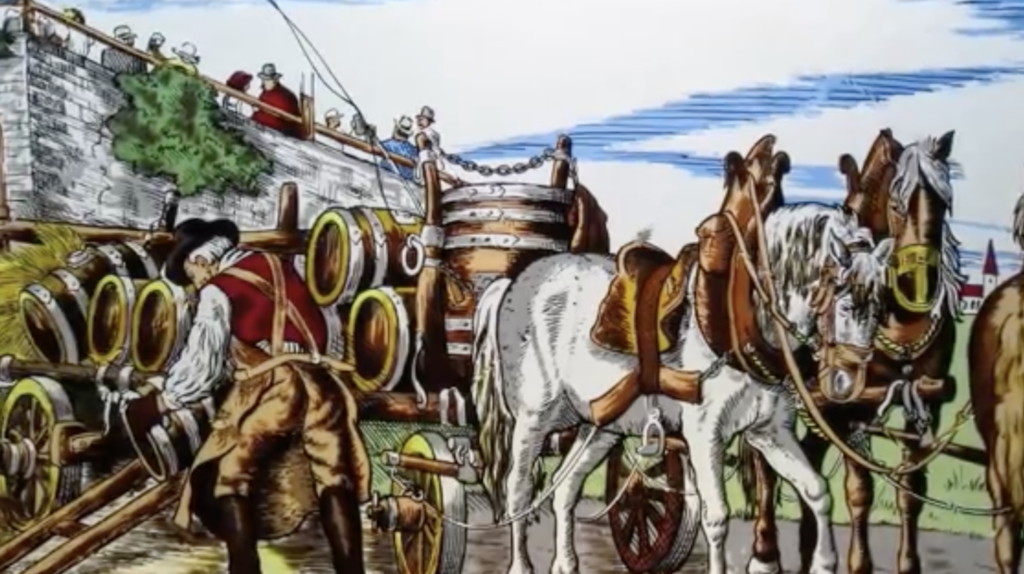
In the modern era, some monastic breweries became known as Trappist breweries, following traditions created by religious communities that continued brewing as a way to support their monasteries and charitable work.
However, many of these historic breweries eventually disappeared. Today, only a small number of Trappist monasteries continue the centuries old tradition of producing beer.
What started as a practical solution for survival became a legendary brewing tradition. The monks were not simply making beer for pleasure. They were creating a craft built around science, charity, and their belief that even a simple drink could be a meaningful service to others.