
This red planet is our neighbor in the Solar System. But it has none of the components that make life possible here on Earth. It’s full of radiation and too cold for liquid water.
It has an atmosphere we can’t breathe, and soil that we can’t grow anything in. Its gusts of wind come close to what we classify as hurricanes here on Earth. And now we want to make it our new home.
How can you prepare yourself for this mission? What should you bring with you? And what’s your best strategy for coming back alive?
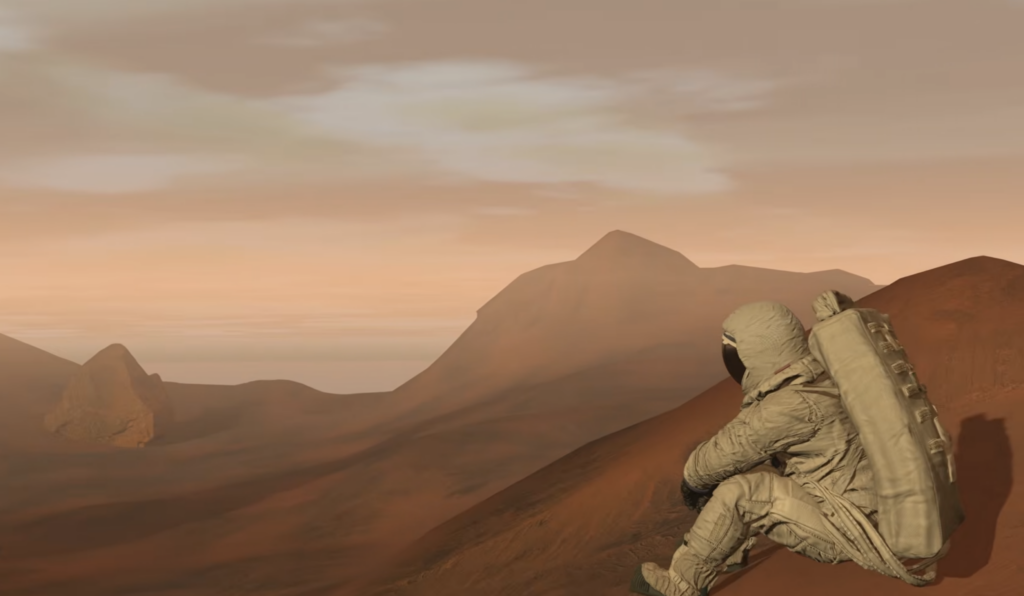
Number 1. Come Prepared
Before you can even board the spaceship, NASA will be testing and training you for months. And I’m not just talking about your physical strengths. Your mental health is just as important.
You’re going on a very long trip, where you’ll be stuck in small quarters with the same people. If NASA’s tests have shown anything, it’s that you’ll get irritated with your crew members.
So you’d better have a high degree of agreeableness, a strong desire to work together, and good humor. And if you lied on your resume about how well you handle high-pressure situations, the tests will show it.
Number 2. Pack up Your Gear
Mars isn’t going to welcome you with open arms. Its atmospheric pressure is so low that it’ll make your blood boil inside your body. Its night temperatures drop from a comfortable 20°C (70°F) to -153°C (-225°F).

And its surface is coated with dust so finely-grained that it would damage your lungs if you inhaled it. Top that all off with the winds rampaging at 97 km/h (60 mph) and a whole lot of cosmic radiation. You get the picture.
If you just crash on Mars with only your spacecraft, and a single suit on your back, you won’t last longer than one hour. If you want to survive on Mars, you’ll need multiple spacesuits that will reflect all the radiation, keep you warm, and provide you with oxygen and sufficient pressure.
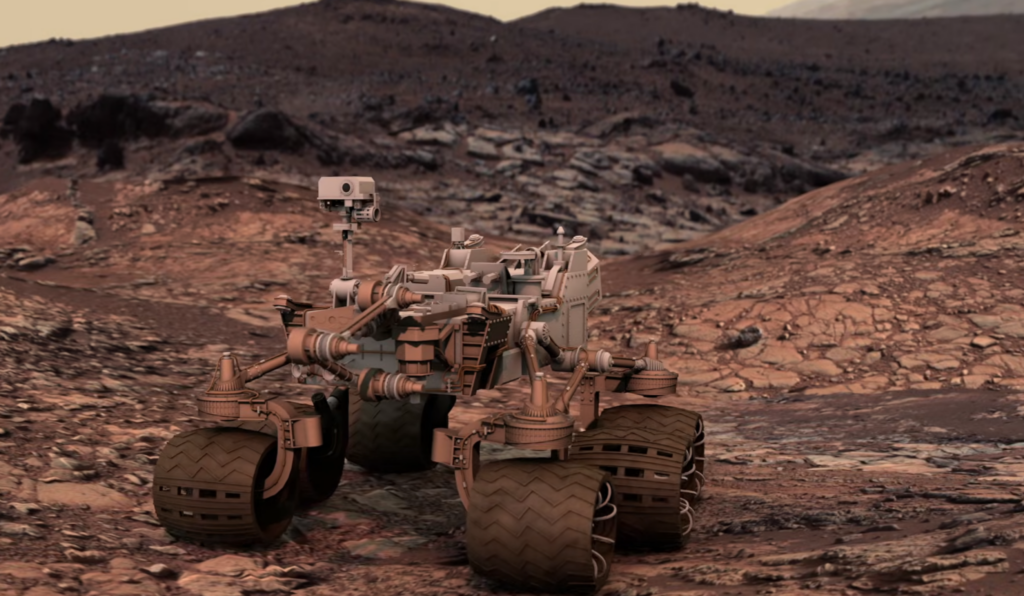
You’ll also need a craft you’ll live in until a bigger habitat is constructed, and vehicles to take you on your Martian adventures.
Number 3. Bring Your Food
The soil on Mars is a very fine, powder-like dust covering the basalt rock. That’s precisely the opposite of fertile.
If you want to grow anything on the red planet, you’ll need a ton of solid biomass waste. Yep, you’ll be collecting all your poop, and all your crew members’ poop, and then you will plant potatoes, or whatever it is you want to grow, in that mass of poop.
You could eventually start growing some lettuce, garlic, and even potatoes. But you’d better stock up with supplies before you go on the mission.
And make sure those supplies will last you at least a year. That’s how long it takes for another crew to arrive to Mars.
Number 4. Don’t Forget About Water
Mars is too cold to have liquid water. Instead, it has its water frozen as the polar ice caps. Of course, you can’t bring a year-long supply of water with you all the way to Mars, but here’s what you can do.
Some initiatives suggest ways that you could extract water in Martian conditions. One of them being an aerogel developed by NASA’s Jet Propulsion Laboratory.
This silica substance is meant to warm the surface of Mars by 65°C (150°F). That’s enough to melt Martian water ice and have a supply of drinking water, as well as water for irrigation.
Or you could filter your pee, as astronauts on the International Space Station do.
Number 5. Be Useful
This should really be the number one tip on this list, but I wanted to leave this hard truth to the end. You can’t go to Mars simply because you won some contest, or paid big bucks to join the crew.
You’ll have to be a trained astronaut with at least one master’s degree in engineering, biological or physical science, computer science, or mathematics. You could have a masters in botany, but you can’t be a tourist.
If you fit the description, your typical day on Mars will include tending to plants, maintenance checks, and repairs to all of the water, electrical and filtration systems that keep your habitation operational, and some light exploration of Mars.
You’ll be sending updates to Earth-based agencies, and you’ll most likely be missing Earth very much.
Mars isn’t for everybody. It’s just hostile. The process of making Mars our new home will be very slow, but theoretically, it’s doable.
And now we’re here to help you survive whatever awaits you.