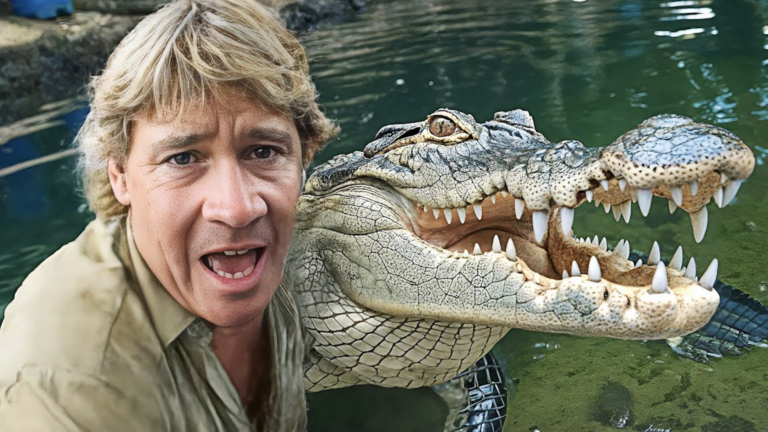
Steve Irwin, known worldwide as “The Crocodile Hunter,” spent his entire life working closely with some of the most dangerous animals on the planet. But on the morning of September 4th, 2006, that same passion for wildlife would lead to a tragic and unexpected ending.
He and his film crew were in the waters off Australia’s Great Barrier Reef when they encountered a massive bull stingray, measuring around 2.5 meters (8 feet) wide.
Intrigued by the animal, the crew decided to film it underwater. Within moments, however, the situation took a deadly turn.
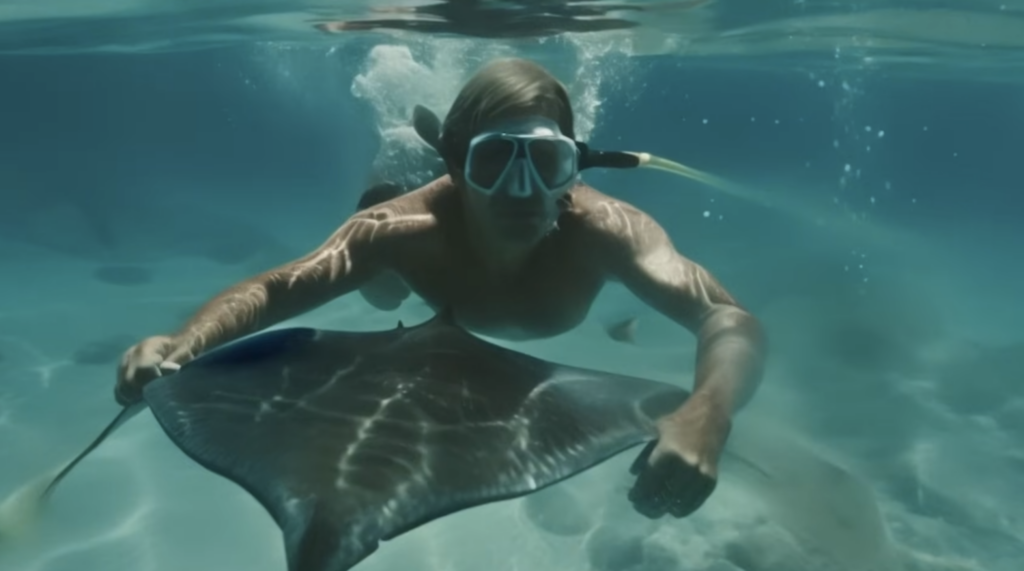
Steve approached the stingray, which initially began to swim away. His longtime friend and cameraman Justin Lyons followed closely behind, capturing the scene on camera.
At first, everything appeared normal. But when Lyons looked back toward Steve, he saw something horrifying. Steve was suddenly surrounded by a cloud of blood. The stingray had struck him in the chest.
The crew immediately realized the seriousness of the situation. Steve was bleeding heavily in open water, which created another danger: sharks.
Dozens of meters away from their inflatable boat, Steve struggled to stay afloat and could not swim properly. His team rushed to pull him aboard before any predators were drawn to the scene.
Only after getting him onto the boat did they understand the full extent of the injury. A one foot long stingray barb had pierced his chest, dangerously close to his heart.
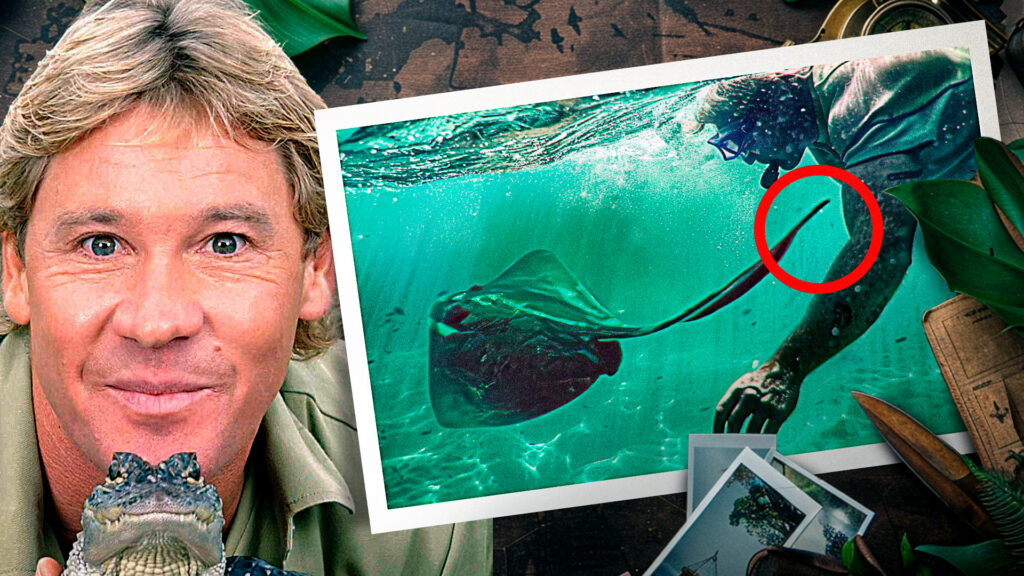
Justin Lyons attempted to keep him conscious as they raced back for help. “Think of your kids, Steve,” he reportedly shouted as they tried to save him.
Steve’s final words were, “I’m dying,” before he lost consciousness and never regained it.
The Crocodile Hunter had a well known rule for his crew: never stop filming, no matter what happens. Even in the most extreme situations, the camera was meant to keep rolling. However, the footage of his final moments has never been publicly released.
This has led to years of speculation. What exactly happened in those final seconds? Was it possible for him to survive? And did the stingray act in defense or aggression?
To understand the truth, it is important to look beyond the tragedy and examine Steve Irwin’s life and work.
Steve Irwin rose to international fame through his television series The Crocodile Hunter, which began in 1992 when he was 30 years old. The show reflected a lifetime dedicated to wildlife conservation.
He grew up in Australia surrounded by animals. His parents were passionate conservationists and founded the Beerwah Reptile Park in Queensland, which would later become Australia Zoo.
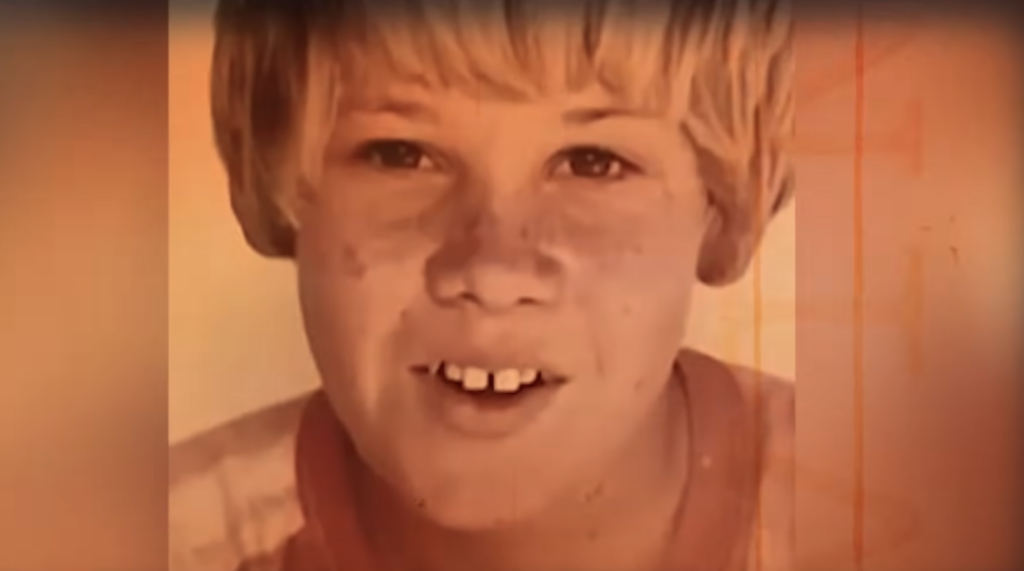
From an early age, Steve was trained to handle dangerous wildlife under his father’s guidance. According to stories from his childhood, he even caught his first venomous brown snake at just six years old.
He accompanied his father on wildlife relocations, often moving crocodiles away from populated areas and rescuing them from hunters. By the age of nine, he had already begun interacting directly with crocodiles, an experience that later shaped his public image.
Decades later, those early skills became the foundation of his global fame.
However, Steve Irwin’s approach to wildlife was not without controversy.
Organizations such as PETA, People for the Ethical Treatment of Animals, criticized him on multiple occasions for what they considered unnecessary interference with wild animals.
Other wildlife experts, including Jean Michel Cousteau, also expressed concern, arguing that his close contact with animals could disrupt natural behavior and habitats.
Rex Neindorf, from the Alice Springs Reptile Centre, also warned about his handling of dangerous reptiles, pointing out that his methods often resulted in injuries, even if unintentionally.
One of the most controversial moments of his career came in 2004, when Steve was filmed feeding a crocodile while holding his infant son.
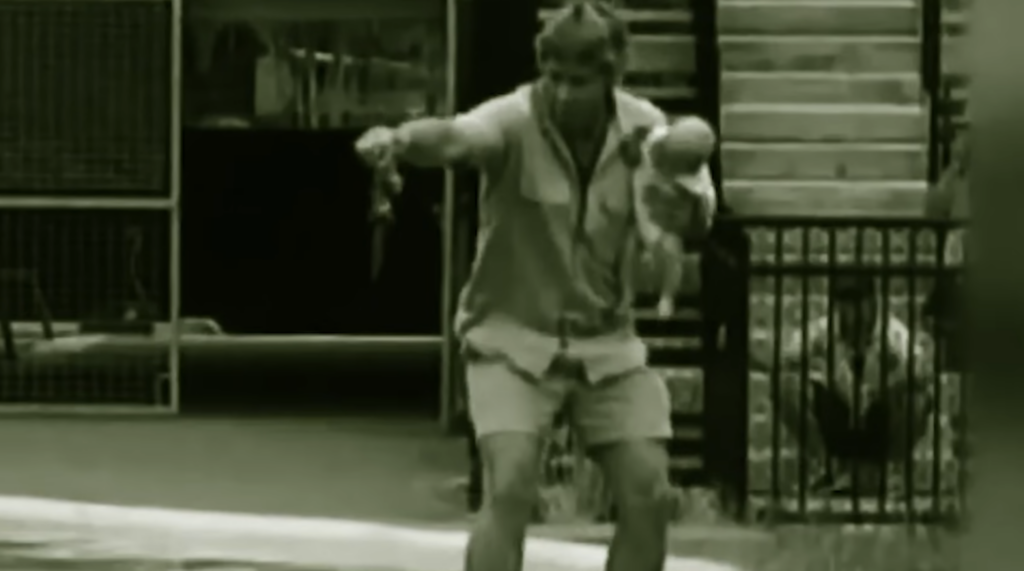
The incident sparked public backlash and an official investigation in Queensland. Although no charges were filed, he later stated he would not repeat such actions involving his children.
Despite criticism, Steve continued his work in wildlife entertainment and conservation.
Following his death, some questioned whether the stingray incident was provoked. However, his cameraman Justin Lyons firmly stated that it was a tragic accident.
According to Lyons, Steve and the crew were filming for a documentary in the Great Barrier Reef when they encountered the stingray. They had originally been searching for tiger sharks, but shifted focus when they found the animal.
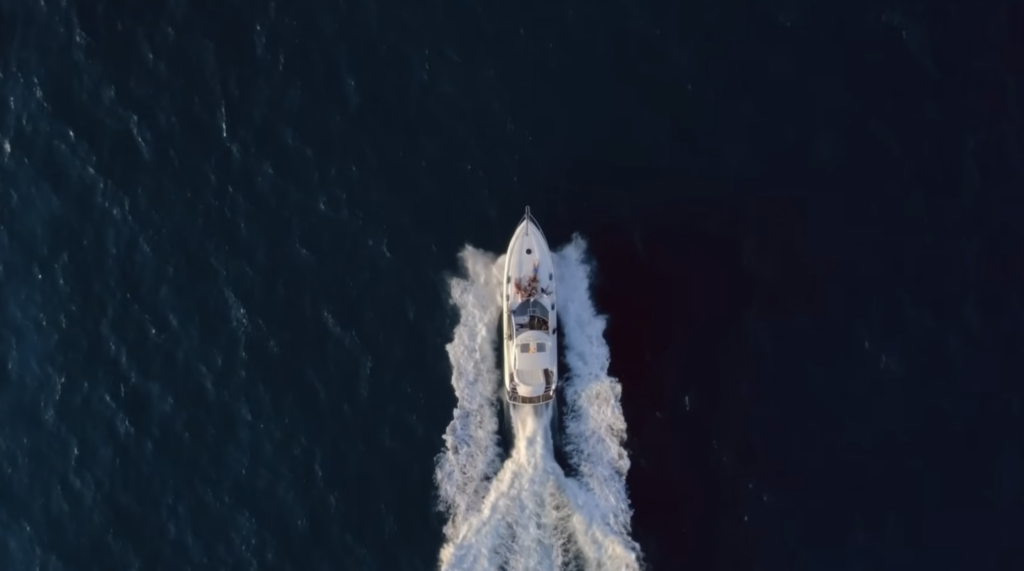
While filming, Steve swam near the stingray as it moved through the water. In the final moments, it suddenly turned and struck him in the chest in a rapid defensive motion.
Stingrays are generally calm animals and only attack when they feel threatened. One theory suggests that Steve’s shadow may have startled the animal, possibly making it mistake him for a predator.
Contrary to rumors, the stingray barb was not removed by Steve himself. The barb has backward facing spines that make removal extremely difficult, especially underwater and under extreme trauma.
Medical reports later confirmed that the barb caused severe internal injuries, including damage near the heart, leading to fatal blood loss.
After the incident, Steve was brought back to the boat, where attempts were made to resuscitate him for nearly an hour. Unfortunately, he had already passed away before reaching medical care.
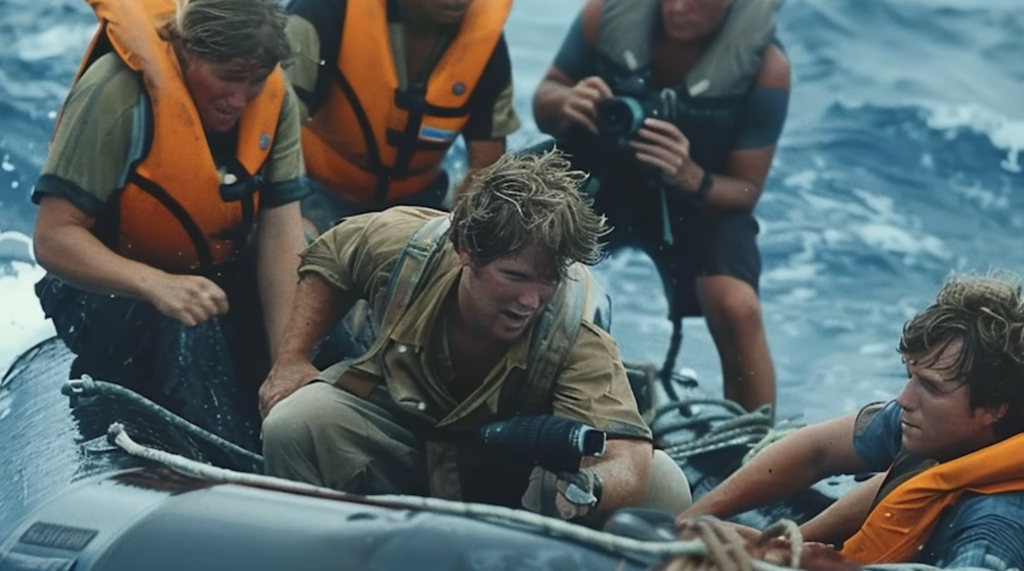
In the years since, rumors have circulated about leaked footage of the event. However, official sources have stated that the recording was viewed by authorities and his family, and all copies were destroyed or secured, with no authentic public release.
Despite the tragedy, Steve Irwin’s legacy continues to live on. Many conservationists credit him with inspiring a new generation of wildlife enthusiasts, scientists, and environmental advocates.
His daughter and family continue his work at Australia Zoo, promoting wildlife conservation around the world.
Steve Irwin’s story remains a reminder that even experienced professionals are vulnerable in the wild, and that nature deserves both respect and caution.
And for others like Timothy Treadwell, known as Grizzly Man, that lesson also came at a tragic cost.